
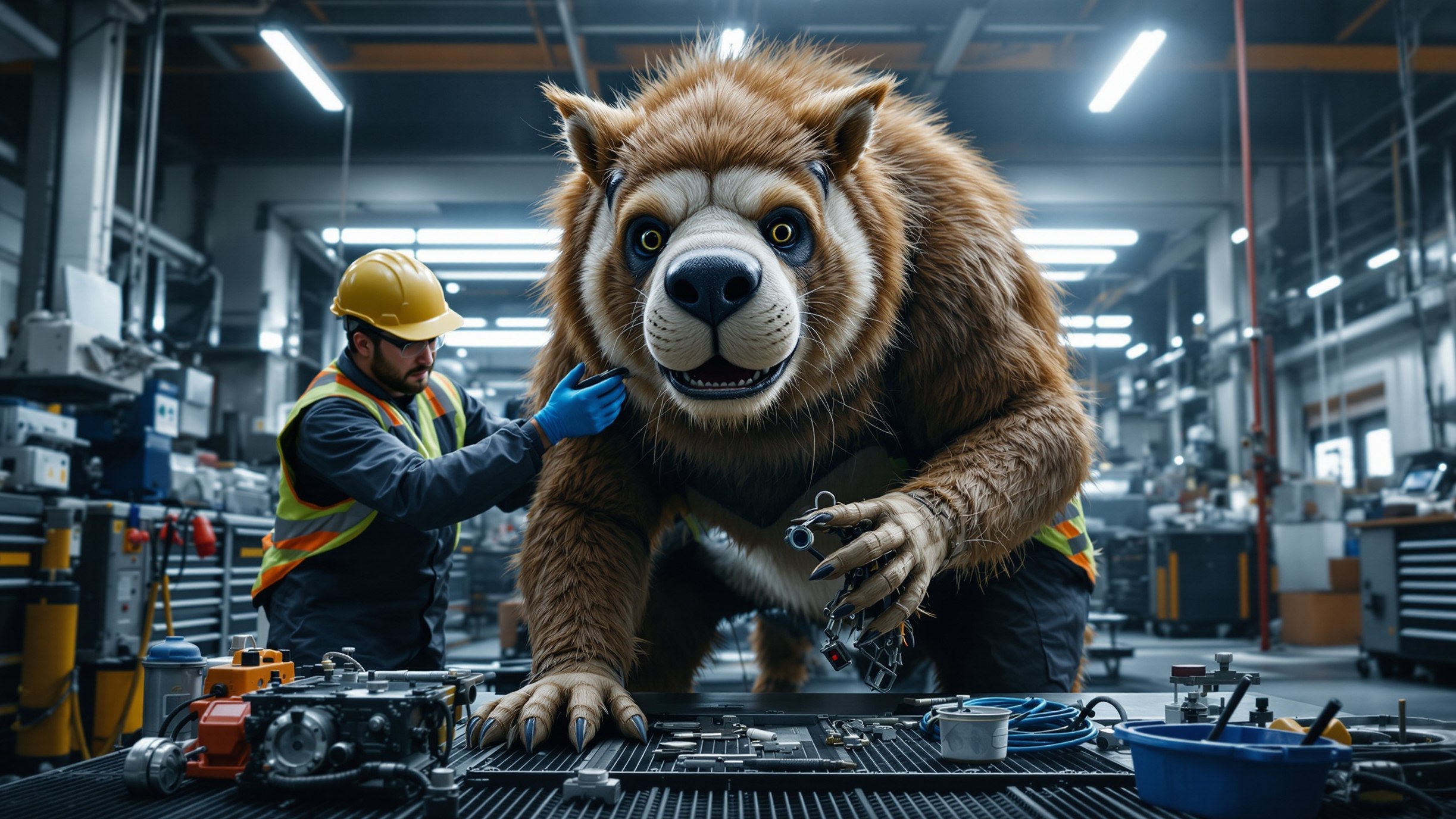
Reliability and Lifespan sit at the core of every successful animatronic installation, determining whether a character performs flawlessly for years or falters after a single season. In this Animatronics Galleries subcategory, we explore what it truly takes to build animatronic figures that endure constant motion, demanding show schedules, and real-world environmental stress. From industrial-grade servos and reinforced linkages to material fatigue, maintenance cycles, and smart design redundancy, reliability is never accidental—it is engineered. These articles dive into how professional builders extend animatronic lifespan through thoughtful load management, modular construction, proper lubrication strategies, and intelligent control systems that reduce wear over time. You’ll also discover how operating conditions such as humidity, temperature shifts, and guest interaction directly affect long-term performance. Whether used in theme parks, museums, film productions, or permanent attractions, long-lasting animatronics protect both creative vision and investment. Reliability and Lifespan is where artistry meets engineering discipline, revealing the behind-the-scenes decisions that allow animatronic characters to perform thousands—or even millions—of cycles while maintaining precision, personality, and show-ready presence.
A: Moving joints and cables experience the fastest wear.
A: Properly maintained systems can last decades.
A: Yes, higher speeds significantly increase mechanical stress.
A: Servos offer precision; pneumatics excel in rugged environments.
A: Based on cycle count, not just time.
A: Proper design, derating, and preventative maintenance.
A: Yes for show-critical figures.
A: Indirectly, by trapping heat or moisture.
A: Yes, through smoother motion profiles.
A: Parts availability more than mechanical failure.