
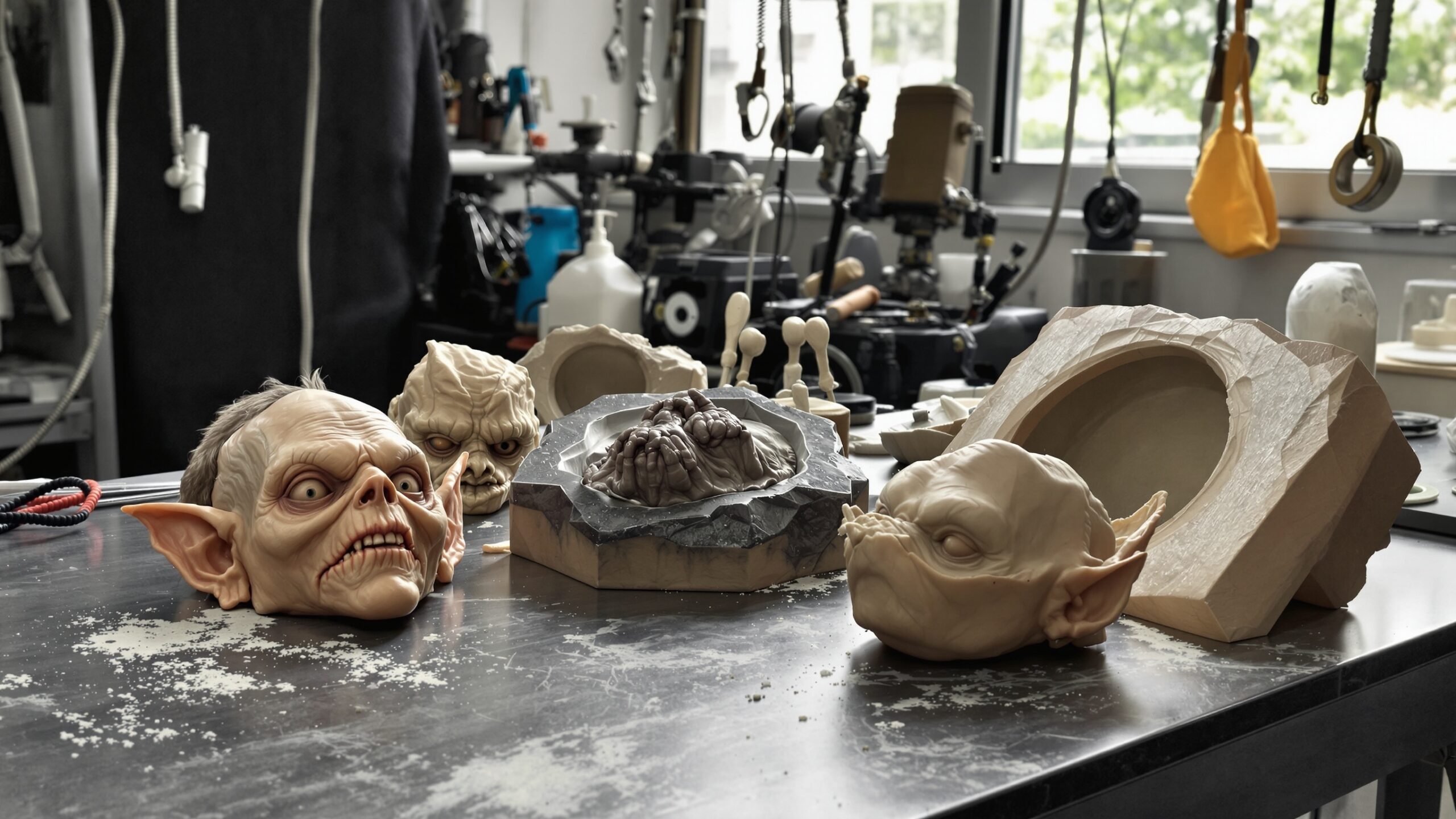
Step into the world of Skin Systems and Elastomers, where animatronic realism is engineered at the molecular level and lifelike illusion begins with material science. This specialized hub explores the technologies, fabrication methods, and performance characteristics behind silicone skins, foam latex overlays, urethane blends, and flexible polymer composites used to create convincing robotic characters. Discover how durometer ratings, tensile strength, pigmentation techniques, and multilayer casting processes influence durability, stretch, translucency, and screen-ready detail. From creature effects and theme-park figures to advanced humanoid robotics, these in-depth guides break down professional build methods, tooling strategies, mold design, and finishing workflows used by industry fabricators. Whether you are researching prosthetic-grade elastomers, comparing platinum-cure versus tin-cure silicones, or optimizing skin movement over mechanical substructures, this section delivers expert insights, technical breakdowns, and practical fabrication knowledge. Explore material comparisons, failure analysis tips, and innovation trends shaping the future of animatronic skin construction, and gain the expertise needed to select, engineer, and refine flexible skins that move, stretch, and perform with astonishing realism for professional-grade results every time in production environments.
A: Polymer chain length, cross-link density, and temperature.
A: UV exposure, oxidation, and repeated stress cycles.
A: Softer materials stretch more; harder ones resist deformation.
A: Reinforcements, stabilizers, and optimized curing.
A: Over-strain, aging, or environmental attack.
A: Most degrade before melting due to cross-linked structure.
A: Thicker layers distribute stress and resist tearing.
A: Many are inherently moisture-resistant.
A: How quickly material returns after compression.
A: Cool, dark, dry environments to slow aging.