
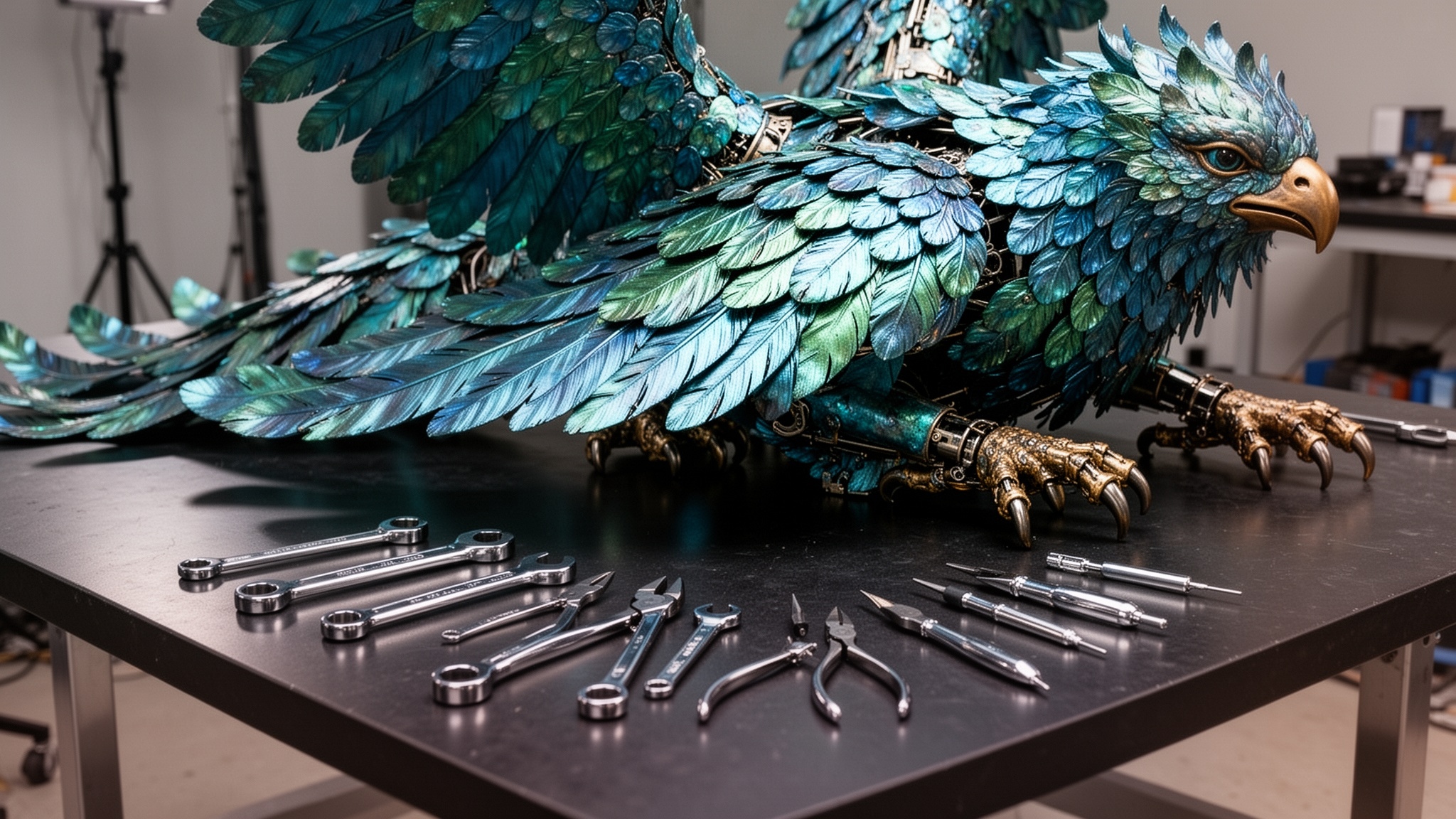
Behind every reliable animatronic lies a hidden engineering strategy: intelligent Access and Service Design. This essential discipline within fabrication and build methods focuses on how technicians reach, repair, upgrade, and maintain complex animatronic systems without compromising structural integrity or visual realism. From concealed service panels and modular component layouts to quick-release mounts, cable routing paths, and tool-clearance planning, effective access design determines whether a build becomes a maintenance nightmare or a long-lasting performance machine. On Animatronics Street, this category explores the mechanics, planning principles, and fabrication techniques that professionals use to ensure serviceability is engineered from the start, not improvised later. You’ll discover how industry builders integrate accessibility into exoskeleton frames, skins, control bays, and motion assemblies while preserving durability, safety, and efficiency. Whether you’re designing theme-park figures, film props, or robotic displays, mastering access-focused construction methods is the key to faster repairs, lower downtime, and smarter builds that perform flawlessly long after installation. Explore expert insights, schematics, and real-world fabrication examples that reveal how thoughtful service access transforms complex mechanisms into practical, maintainable creations.
A: Usually imbalance, misalignment, or worn bearings.
A: Overload, poor ventilation, or excessive friction.
A: Follow duty cycle and manufacturer maintenance schedules.
A: Check lubrication, controller tuning, or sensor feedback.
A: Only if specs match exactly for load, tolerance, and rating.
A: Noise, uneven wear, or rising temperature.
A: Vibration without locking hardware or compound.
A: After verified releases addressing bugs or performance.
A: Review system logs and diagnostic codes.
A: Maintain lubrication, alignment, and proper load limits.