
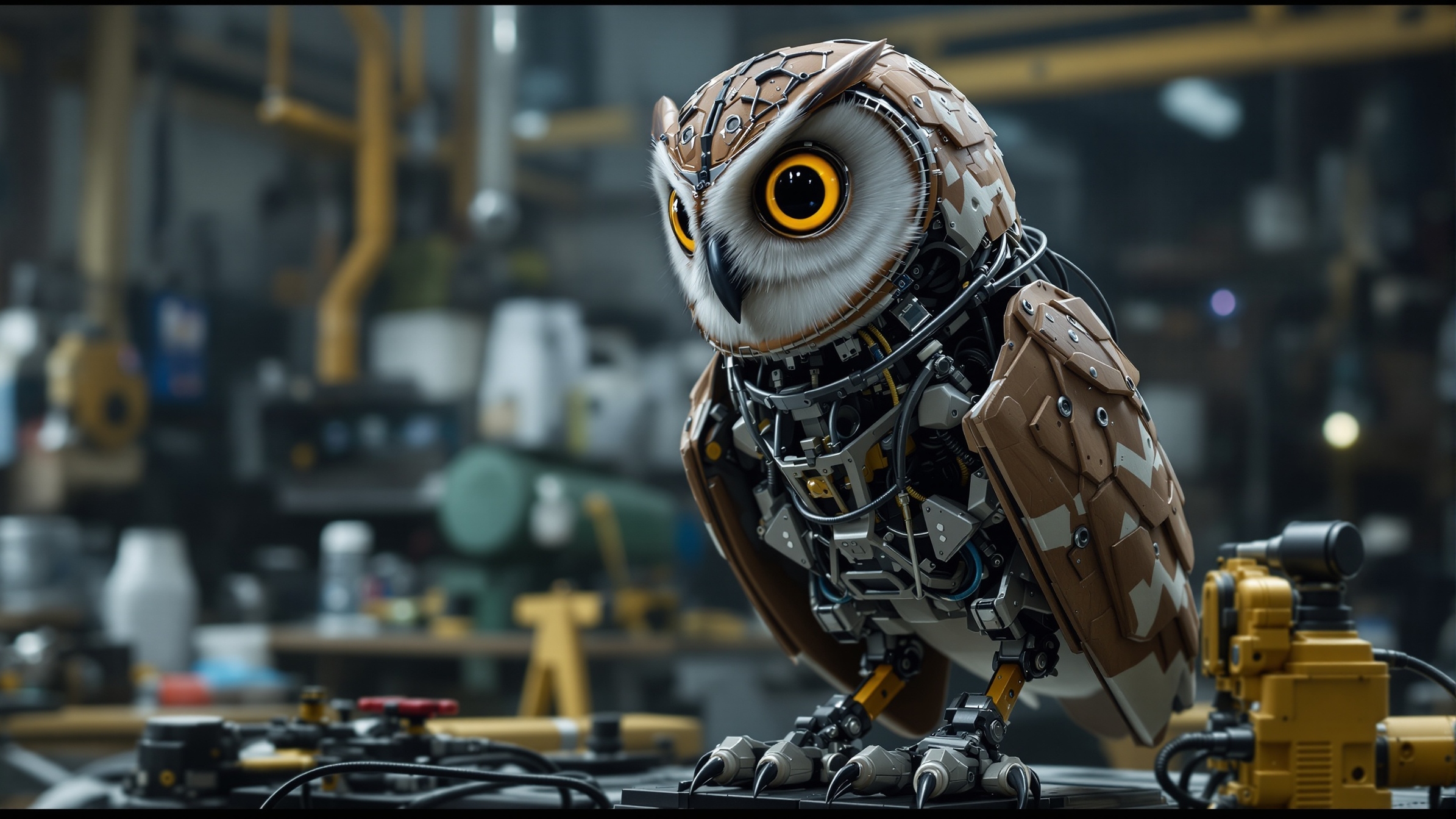
Structural Integration is where animatronic engineering transforms from concept into a cohesive, load-bearing reality. In the world of animatronics fabrication and build methods, this discipline focuses on how frames, joints, skins, actuators, and control systems unite into a stable mechanical organism capable of lifelike motion. From precision-machined aluminum skeletons to lightweight composite shells, effective structural integration determines durability, balance, serviceability, and performance under real operating stresses. This subcategory on Animatronics Street explores the principles, materials science, fastening strategies, and modular design philosophies professionals use to ensure every component works in harmony rather than conflict. You’ll discover how weight distribution affects servo efficiency, why vibration isolation protects electronics, and how structural planning simplifies maintenance and upgrades. Whether you’re building a cinematic creature, a theme-park figure, or an advanced robotics prototype, mastering structural integration is the key to reliable motion, realistic expression, and long-term mechanical integrity. Dive in to learn the engineering logic behind animatronics that don’t just move—but endure. It’s the foundation that separates fragile builds from professional-grade animatronic systems built for real-world deployment and longevity.
A: Usually imbalance, misalignment, or resonance.
A: Repeated stress cycles over time.
A: Lower weight with decent strength.
A: Combined dimensional variations affecting fit.
A: According to load, speed, and temperature.
A: Extra strength margin beyond expected loads.
A: Vibration or thermal expansion cycles.
A: Coatings, alloys, or controlled environments.
A: Misalignment accelerates wear and failure.
A: Proper maintenance, load limits, and lubrication.