How Animatronics Are Maintained and Repaired Long-Term
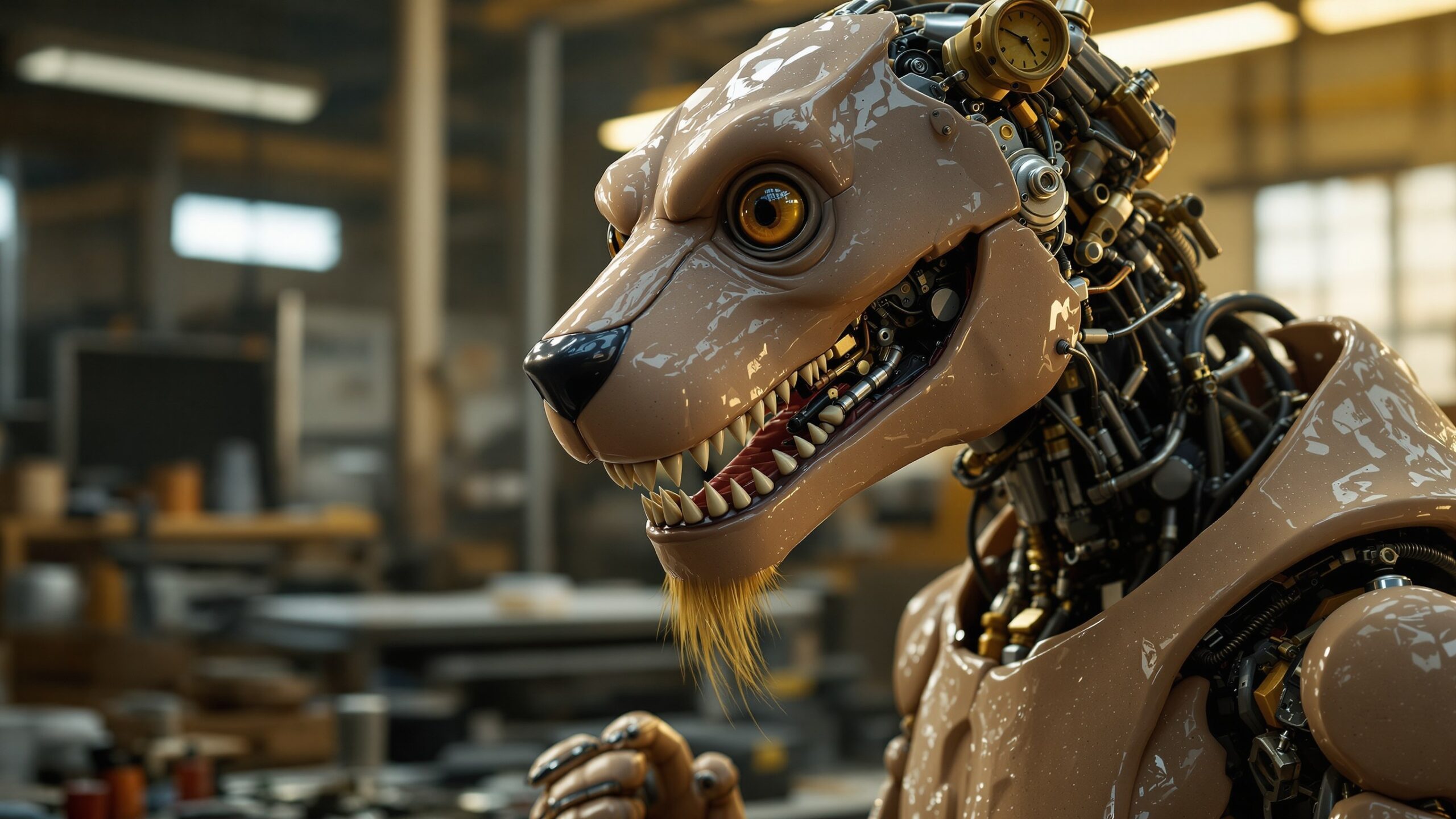
Animatronics are not static creations. They are living systems of motion, illusion, mechanics, and storytelling that must perform reliably over years—sometimes decades—under demanding conditions. From theme parks and museums to film sets and touring attractions, animatronic figures endure constant cycles of movement, environmental stress, audience interaction, and technological change. Long-term maintenance and repair are what separate short-lived novelties from legendary figures that continue to captivate audiences generation after generation. Unlike conventional machines, animatronics occupy a unique space where engineering precision meets artistic realism. Every blink, breath, and subtle head turn depends on carefully balanced systems working in harmony. Maintaining that balance over time requires foresight, discipline, and a deep understanding of both mechanical systems and human perception. This article explores how animatronics are maintained and repaired for the long haul, revealing the hidden infrastructure that keeps these creations alive long after their debut.
A: Daily visual checks, with deeper inspections weekly or monthly.
A: Bearings, cables, and actuators—not skins.
A: Rarely; most systems are custom.
A: Yes, especially control and motion systems.
A: Decades with proper maintenance.
A: Often they improve it.
A: Always, usually off-hours.
A: Only when structural integrity is compromised.
A: Accessing deeply nested joints.
A: Both.
Designing for Longevity From the Start
Successful long-term maintenance begins long before an animatronic ever moves in public. Engineers and fabricators design maintenance into the structure itself. Modular components, accessible service panels, and standardized fasteners are not conveniences; they are necessities. Animatronics that are difficult to access inevitably become difficult to maintain, increasing downtime and repair costs over time.
Designers often separate high-wear components—such as servos, pneumatics, cables, and joints—from aesthetic elements like skins, hair, and costumes. This allows technicians to service internal systems without repeatedly damaging or replacing external finishes. Materials are selected not only for realism but for durability, resistance to fatigue, and compatibility with cleaning agents and lubricants. The decisions made during the design phase determine whether an animatronic becomes a long-term asset or an ongoing liability.
Understanding Wear in Motion Systems
Every animatronic relies on motion systems that experience continuous mechanical stress. Motors, actuators, linkages, bearings, and joints gradually wear down through repeated cycles. Even the smoothest motion eventually introduces microscopic fatigue that accumulates over time. Long-term maintenance programs focus on monitoring this wear before it becomes visible to audiences.
Technicians track movement cycles, load tolerances, and vibration patterns to identify early signs of degradation. A subtle change in motion timing, a faint increase in noise, or a slight reduction in responsiveness can signal deeper mechanical issues. Preventive maintenance schedules are structured around these indicators rather than waiting for failures to occur. This proactive approach dramatically extends the operational lifespan of animatronic systems.
The Role of Preventive Maintenance Programs
Preventive maintenance is the backbone of long-term animatronic reliability. Rather than reacting to breakdowns, technicians perform regular inspections, calibrations, and component replacements based on usage data and environmental conditions. These programs are tailored to each installation, accounting for factors such as daily run time, temperature fluctuations, humidity, and guest proximity.
Routine maintenance often includes tightening mechanical fasteners, inspecting wiring harnesses, cleaning sensors, lubricating moving parts, and recalibrating control systems. Even cosmetic elements are inspected regularly, as small tears or surface wear can worsen rapidly if left unaddressed. Preventive maintenance not only reduces unexpected failures but preserves the illusion of life that animatronics depend on.
Electronics and Control Systems Over Time
Animatronics are increasingly software-driven, relying on control boards, microprocessors, and networked systems to coordinate motion, lighting, sound, and interactivity. Long-term maintenance of these electronic systems requires a different skill set than mechanical repair. Components may become obsolete, firmware may need updates, and compatibility issues can arise as surrounding systems evolve.
Technicians maintain detailed documentation of control architectures, wiring diagrams, and software versions to ensure continuity over time. Redundancy is often built into critical systems so that failures do not immediately interrupt performance. As technology advances, older control systems may be retrofitted or upgraded to improve reliability while preserving the original motion programming and character behavior.
Pneumatics and Hydraulics in Long-Term Use
Many large animatronics rely on pneumatic or hydraulic systems to achieve powerful, organic motion. These systems introduce unique maintenance challenges, including air leaks, fluid degradation, seal wear, and pressure inconsistencies. Over time, even small leaks can significantly affect motion quality and system efficiency.
Long-term maintenance focuses on seal replacement, hose inspection, pressure testing, and fluid analysis. Technicians monitor system response times and pressure curves to ensure consistent performance. Environmental factors such as temperature changes can affect fluid viscosity and air density, requiring seasonal adjustments. When maintained correctly, pneumatic and hydraulic systems can operate reliably for decades.
Managing Cables, Linkages, and Hidden Stress Points
Many animatronic failures originate not from major components but from secondary systems such as cables, belts, and linkages. These elements experience constant flexing and tension changes, making them particularly susceptible to fatigue. Because they are often hidden beneath skins or costumes, early damage can go unnoticed.
Long-term maintenance includes scheduled replacement of high-stress components even if they appear functional. Technicians use wear indicators, cycle counts, and historical data to determine replacement intervals. By treating these components as consumables rather than permanent fixtures, maintenance teams prevent cascading failures that could damage more critical systems.
Skin, Costumes, and Surface Preservation
The exterior of an animatronic is just as important as its internal mechanics. Silicone skins, latex components, foam structures, and fabric costumes degrade over time due to movement, UV exposure, oils, cleaning agents, and environmental conditions. Maintaining these surfaces requires specialized knowledge and materials.
Technicians clean and condition skins using compatible products that preserve elasticity and color. Small tears are repaired immediately to prevent further damage. Costumes are rotated, cleaned, and reinforced at stress points such as joints and attachment areas. Long-term preservation often involves maintaining multiple sets of skins or costumes to reduce wear and allow for refurbishment cycles.
Environmental Challenges and Site-Specific Maintenance
Animatronics installed outdoors or in high-traffic environments face additional challenges. Temperature extremes, moisture, dust, and vibration accelerate wear and corrosion. Maintenance programs adapt to these conditions by using sealed components, corrosion-resistant materials, and enhanced inspection schedules.
Indoor installations are not immune to environmental factors. HVAC systems, lighting heat, and crowd-generated humidity can all affect animatronic performance. Long-term maintenance plans account for these variables, ensuring that systems remain stable despite changing conditions over time.
Diagnostics, Testing, and Data Tracking
Modern animatronics increasingly rely on diagnostics and data collection to inform maintenance decisions. Sensors monitor motor loads, temperatures, cycle counts, and error conditions. This data allows technicians to predict failures before they occur and schedule repairs during planned downtime.
Testing protocols are performed regularly, often outside of public operating hours, to evaluate motion accuracy and system responsiveness. By comparing current performance data with baseline measurements, maintenance teams can identify subtle degradation that might otherwise go unnoticed. Data-driven maintenance significantly reduces unexpected outages and extends system longevity.
Repair Versus Replacement Decisions
One of the most complex aspects of long-term animatronic maintenance is deciding when to repair a component and when to replace it entirely. Factors such as cost, availability, downtime, and long-term reliability all influence these decisions. In some cases, repairing an aging component may introduce more risk than installing a modern equivalent.
However, replacement must be approached carefully to avoid altering the character’s motion or personality. Even small changes in motor response or control timing can affect how audiences perceive the figure. Skilled technicians balance modernization with preservation, ensuring that repairs enhance reliability without compromising artistic intent.
Documentation and Knowledge Transfer
Animatronics often outlive their original designers and builders, making documentation critical for long-term maintenance. Detailed records of design intent, materials, programming, and repair history ensure that future technicians can service the system effectively. Without this institutional knowledge, maintenance becomes guesswork.
Many organizations invest in training programs and apprenticeships to pass on specialized skills. Animatronic maintenance is not easily automated or outsourced; it depends on human expertise developed over years of hands-on experience. Knowledge transfer is as important as mechanical upkeep in ensuring long-term success.
Refurbishment and Mid-Life Overhauls
At certain milestones, animatronics undergo major refurbishments that go beyond routine maintenance. These mid-life overhauls may involve replacing control systems, rebuilding motion assemblies, refreshing skins, or updating aesthetics to align with new narratives. Refurbishment extends operational life while keeping experiences fresh and relevant.
These projects require careful planning to minimize downtime and preserve character continuity. Technicians often disassemble figures entirely, inspect every component, and rebuild systems to original or improved specifications. When executed properly, refurbishment can add decades to an animatronic’s lifespan.
The Human Element Behind Long-Term Success
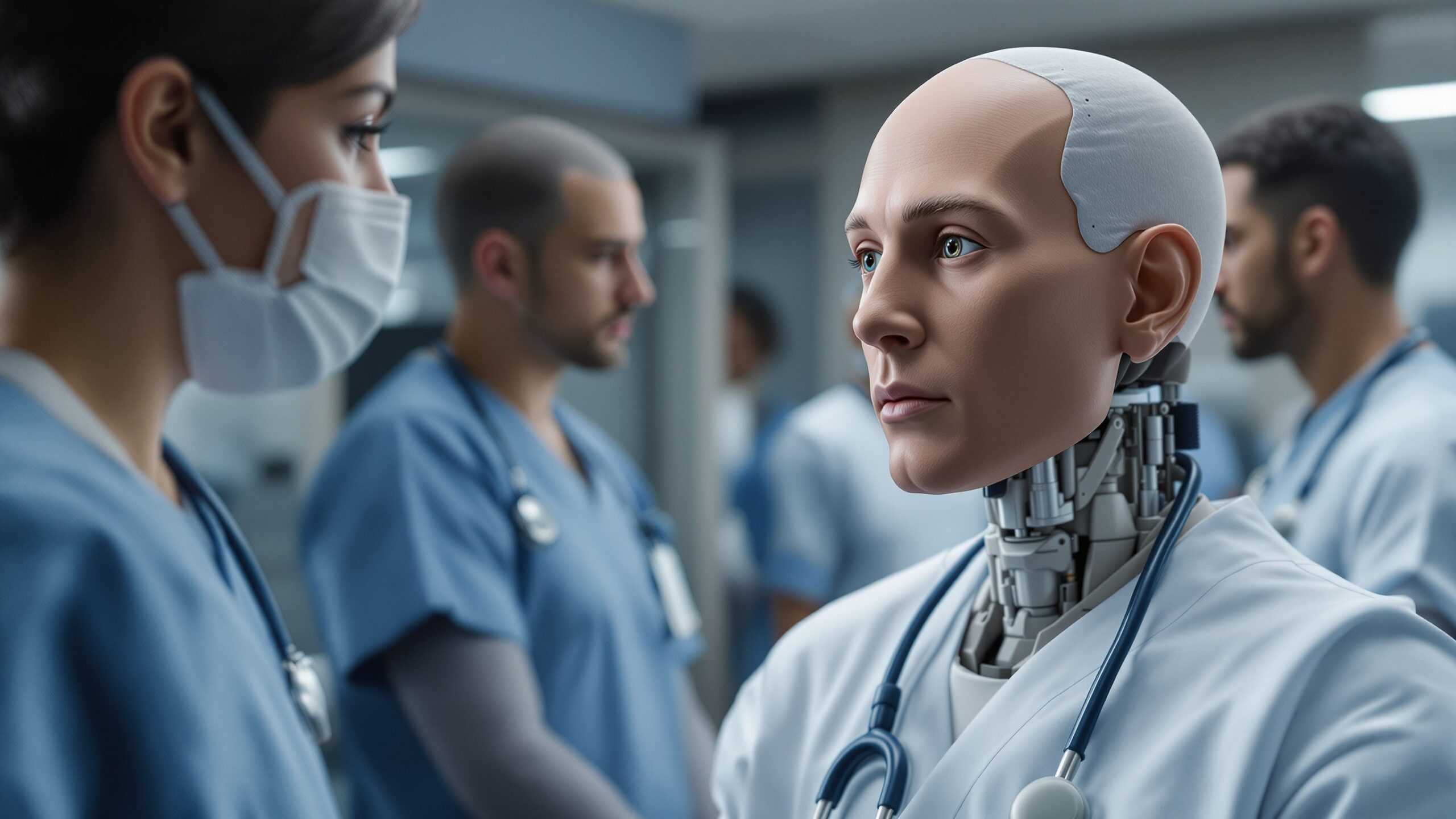
Despite advances in automation and diagnostics, long-term animatronic maintenance remains deeply human. Technicians develop an intuitive understanding of how a figure should move, sound, and feel. They notice changes that data alone cannot capture, such as subtle shifts in expression or timing that affect believability.
This human judgment is what keeps animatronics feeling alive rather than mechanical. Maintenance teams become caretakers of characters, preserving not just function but personality. Their work is invisible to audiences but essential to the magic animatronics create.
Why Long-Term Maintenance Defines Animatronic Excellence
Animatronics are investments in storytelling, experience, and emotion. Their value is measured not only by how they perform on opening day but by how they endure over time. Long-term maintenance and repair transform complex machines into lasting icons that continue to inspire awe year after year.
Through thoughtful design, disciplined preventive care, skilled repair, and deep respect for artistic intent, animatronics can remain vibrant long after their initial debut. Behind every lifelike movement is a commitment to preservation that ensures these creations never stop telling their stories.