
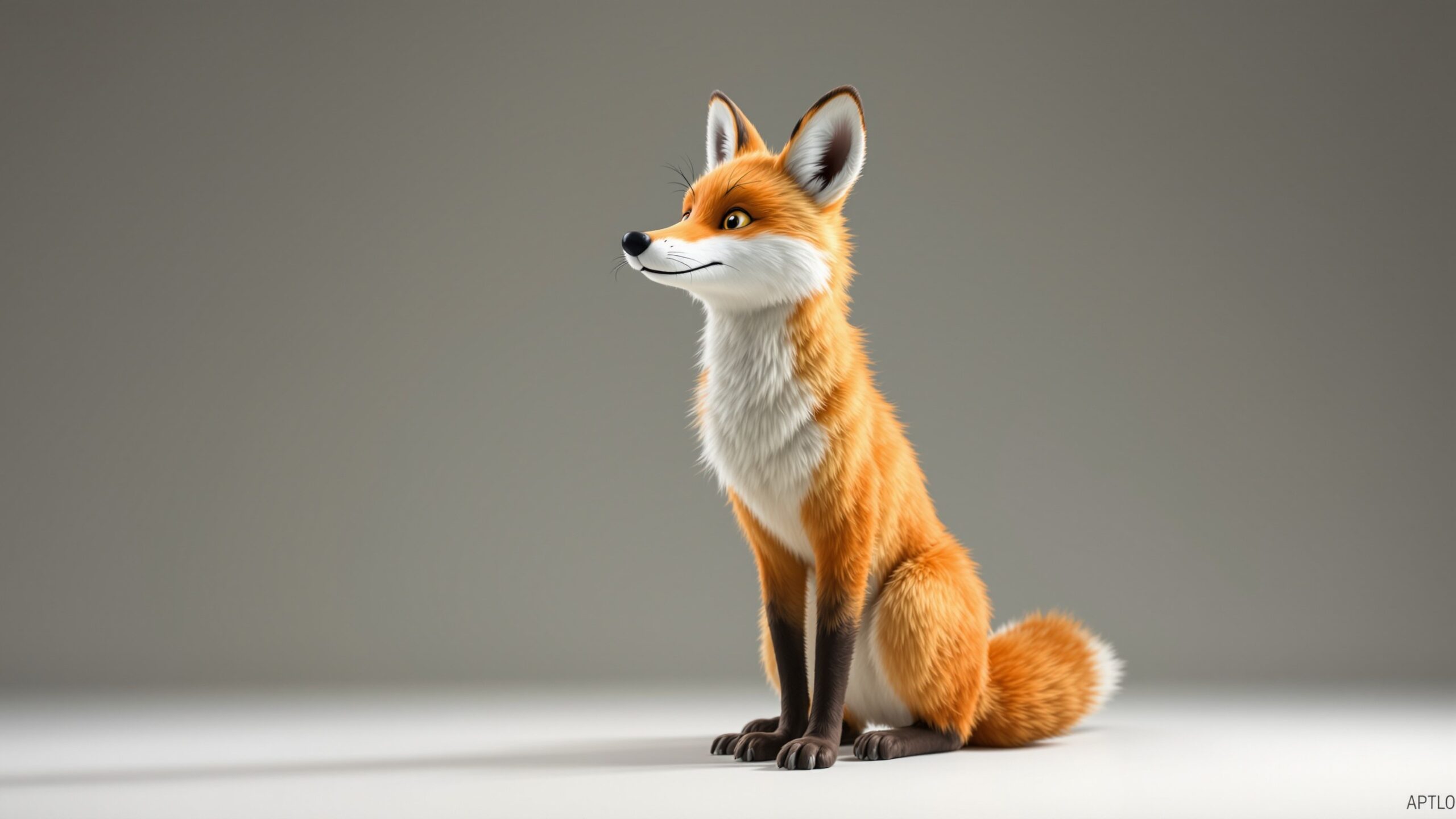
Proportion and Silhouette sit at the heart of believable animatronic character design, shaping how a figure is read long before it ever moves. In animatronics, strong silhouettes communicate personality, scale, and intent at a glance, whether a character is whimsical, imposing, lifelike, or stylized. This subcategory explores how body ratios, limb lengths, mass distribution, and negative space influence visual clarity, emotional impact, and audience recognition from any distance or angle. Thoughtful proportions guide mechanical layouts, skin breaks, and costume design, ensuring that engineering supports the character rather than fighting it. From exaggerated cartoon forms to realistic human and animal builds, silhouette-driven design helps animators avoid visual clutter while enhancing motion readability and storytelling power. Articles in this section dive into classic design principles, real-world fabrication constraints, and modern animatronics workflows, showing how proportion choices affect balance, durability, and expressiveness. Whether you are refining a concept sketch or troubleshooting a full-scale build, Proportion and Silhouette provides essential insights for creating animatronic characters that feel intentional, iconic, and instantly recognizable.
A: It ensures instant readability before detail.
A: When motion no longer feels intentional.
A: Yes, larger or thinner forms increase complexity.
A: Visually yes, mechanically adapted.
A: Early stages allow it; later stages are risky.
A: Not always—stylization often reads better.
A: Backlight photos or flat black renders.
A: Yes, especially during motion.
A: Ignoring balance and center of mass.
A: Before final mechanical fabrication.