
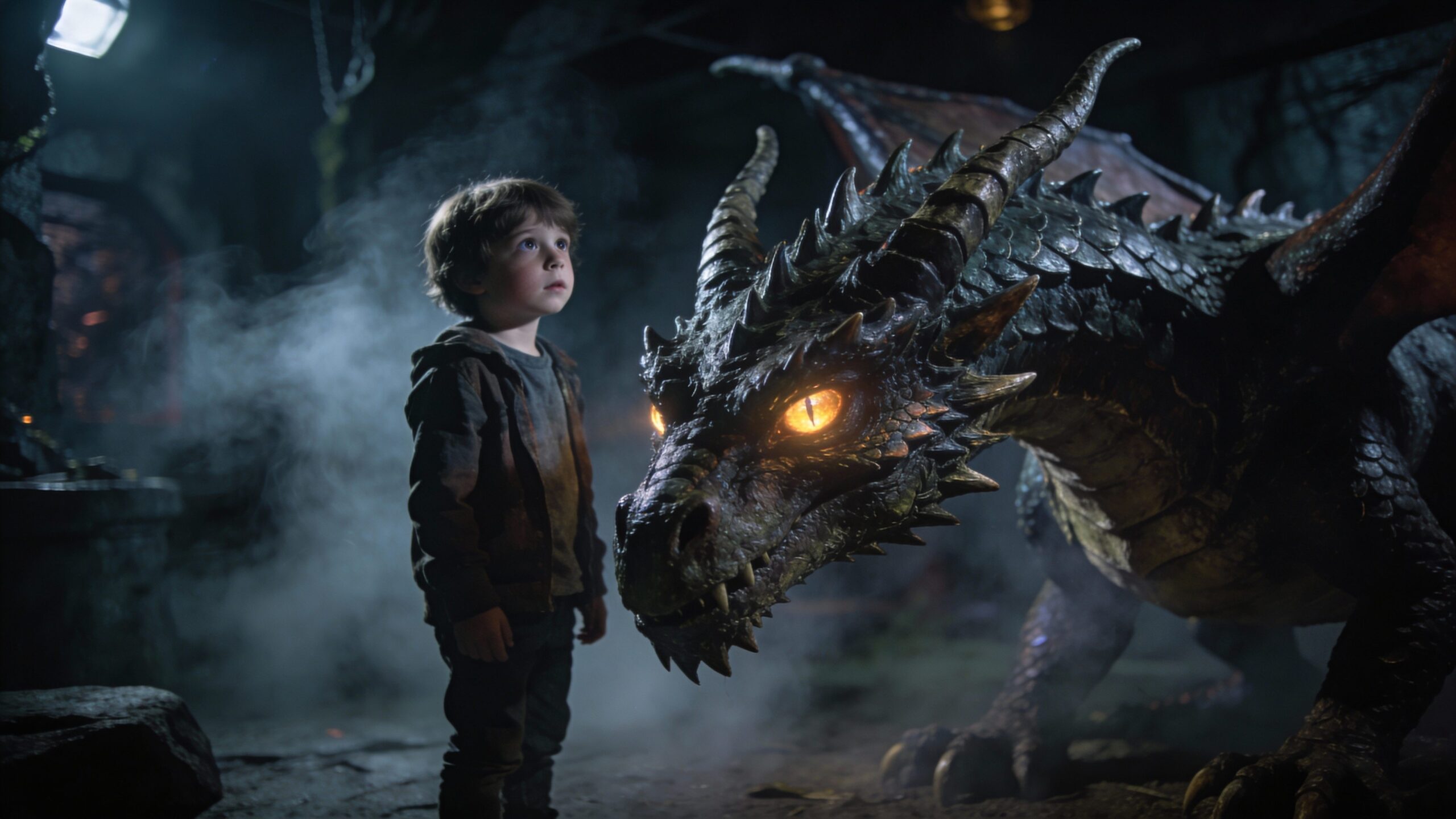
Sound doesn’t just fill a space — it shapes reality, guides emotion, and transforms how audiences experience practical effects and illusions. In the Sound and Perception subcategory on Animatronics Street, we dive deep into the powerful role audio plays in bringing mechanical creations, themed environments, and physical illusions to life. From subtle ambient soundscapes that heighten suspense to perfectly timed effects that sell movement, weight, and realism, sound design is the invisible force that convinces the brain something is truly happening. This collection of in-depth articles explores how frequency, volume, direction, rhythm, and psychological cues influence human perception, enhance animatronic performances, and elevate immersive attractions. You’ll uncover the science behind auditory illusions, the techniques used by theme parks and special effects studios, and the creative strategies that turn simple motions into believable experiences. Whether you’re a designer, enthusiast, or curious creator, Sound and Perception reveals how mastering audio can dramatically amplify practical effects, deepen immersion, and blur the line between what’s real and what’s imagined.
A: No, space lacks a medium.
A: Due to diffraction.
A: Sound reflection.
A: Doppler effect.
A: Timing and intensity differences.
A: Prolonged loud noise.
A: Temperature layers refract waves.
A: Frequency amplification.
A: Long wavelengths pass easily.
A: No, it's above hearing range.