
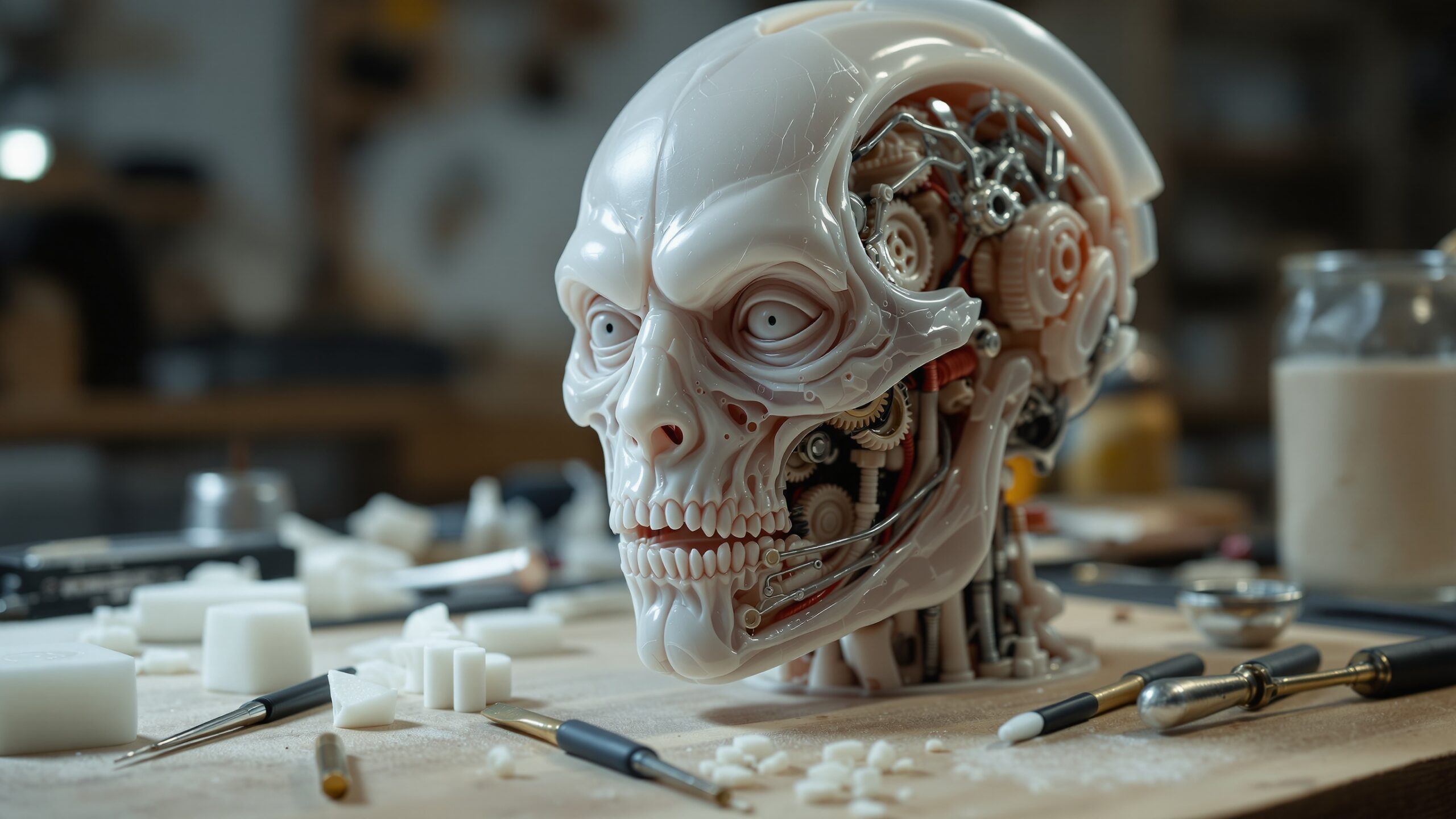
Step into the precision-driven world of mold making and casting, where animatronics fabrication transforms raw concepts into dimensional reality. This essential build method powers everything from lifelike creature skins to rigid mechanical shells, giving creators the ability to replicate complex forms with flawless consistency. On Animatronics Street, this subcategory explores professional techniques, materials, and workflows used in film, robotics, prop building, and special effects production. Discover how silicone molds capture microscopic detail, how resin casting produces durable components, and how foam latex and urethane systems enable lightweight yet strong structures. Whether you are prototyping parts, duplicating sculpted pieces, or engineering production-ready animatronic elements, mastering these fabrication processes unlocks speed, scalability, and studio-grade results. Our in-depth guides, comparisons, and tutorials break down tools, safety practices, and industry secrets so builders of all levels can cast with confidence and precision. Innovation starts here. Your workshop evolution begins now.
A: Incorrect mix ratio or contamination can inhibit curing.
A: Use vacuum degassing or pressure casting.
A: Yes—quality silicone molds can last dozens to hundreds of casts.
A: Uneven curing temperatures or thin unsupported areas.
A: Wrong ratio, expired material, or moisture contamination.
A: Often yes, especially for rigid molds or detailed casts.
A: Low-odor urethane or epoxy with ventilation.
A: No—add pigment before catalyst activation.
A: Lack of release agent or insufficient mold thickness.
A: Fast-cure urethane resin with pressure casting.