
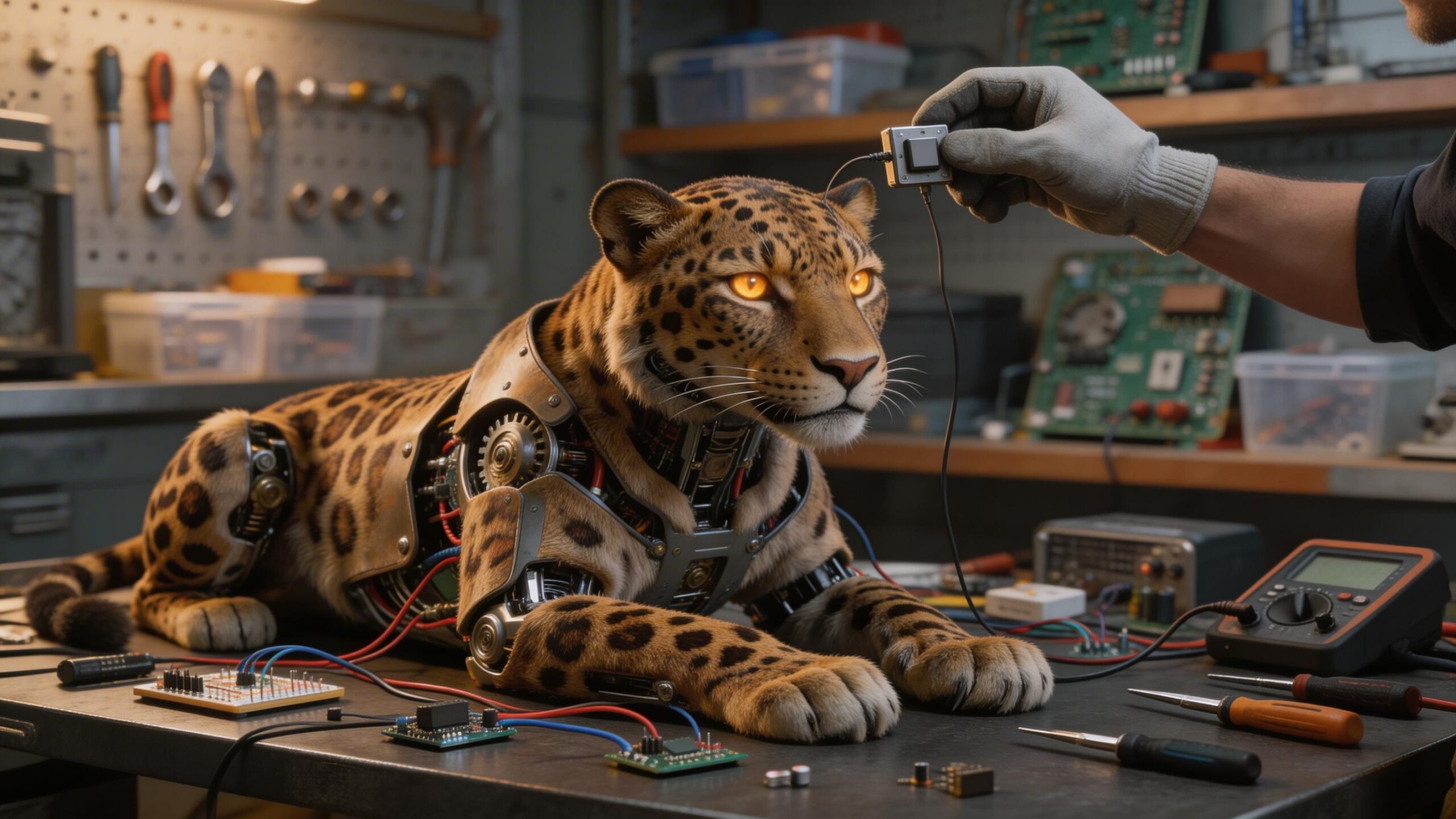
Lighting and effects control is where animatronics truly come alive, transforming mechanical movement into immersive storytelling. Within the world of animatronics engineering, lighting systems, atmospheric effects, and synchronized visual cues play a crucial role in shaping mood, directing attention, and enhancing realism. From dramatic spotlight timing and color-changing LEDs to fog bursts, strobe effects, and environmental lighting scenes, modern control systems allow creators to choreograph every visual detail with precision. This subcategory on Animatronics Street explores the technologies and techniques used to manage lighting and special effects alongside motion and audio, creating seamless show experiences in theme parks, museums, stage productions, and interactive exhibits. You’ll discover how DMX controllers, programmable lighting rigs, show control software, and real-time automation systems work together to deliver perfectly timed visual moments. Whether you’re designing a small animatronic display or a full-scale themed attraction, mastering lighting and effects control is essential for building atmosphere and amplifying impact. Dive into our in-depth articles to learn how engineers, designers, and show programmers use advanced control strategies to transform ordinary animatronic scenes into unforgettable visual spectacles.
A: DMX512 is the industry standard for controlling stage and show lighting.
A: Yes, show control systems trigger lighting cues alongside motion sequences.
A: A group of 512 control channels used to manage lighting fixtures.
A: They are efficient, programmable, compact, and capable of producing millions of colors.
A: It allows individual LEDs to be animated as part of a larger visual display.
A: It transmits DMX lighting data over Ethernet networks.
A: Dimmers control brightness and allow smooth transitions between scenes.
A: High-intensity strobes combined with sound and rapid lighting cues.
A: Yes, microcontrollers and DMX shields make it accessible for DIY builds.
A: Termination prevents signal reflection that can cause flickering or glitches.