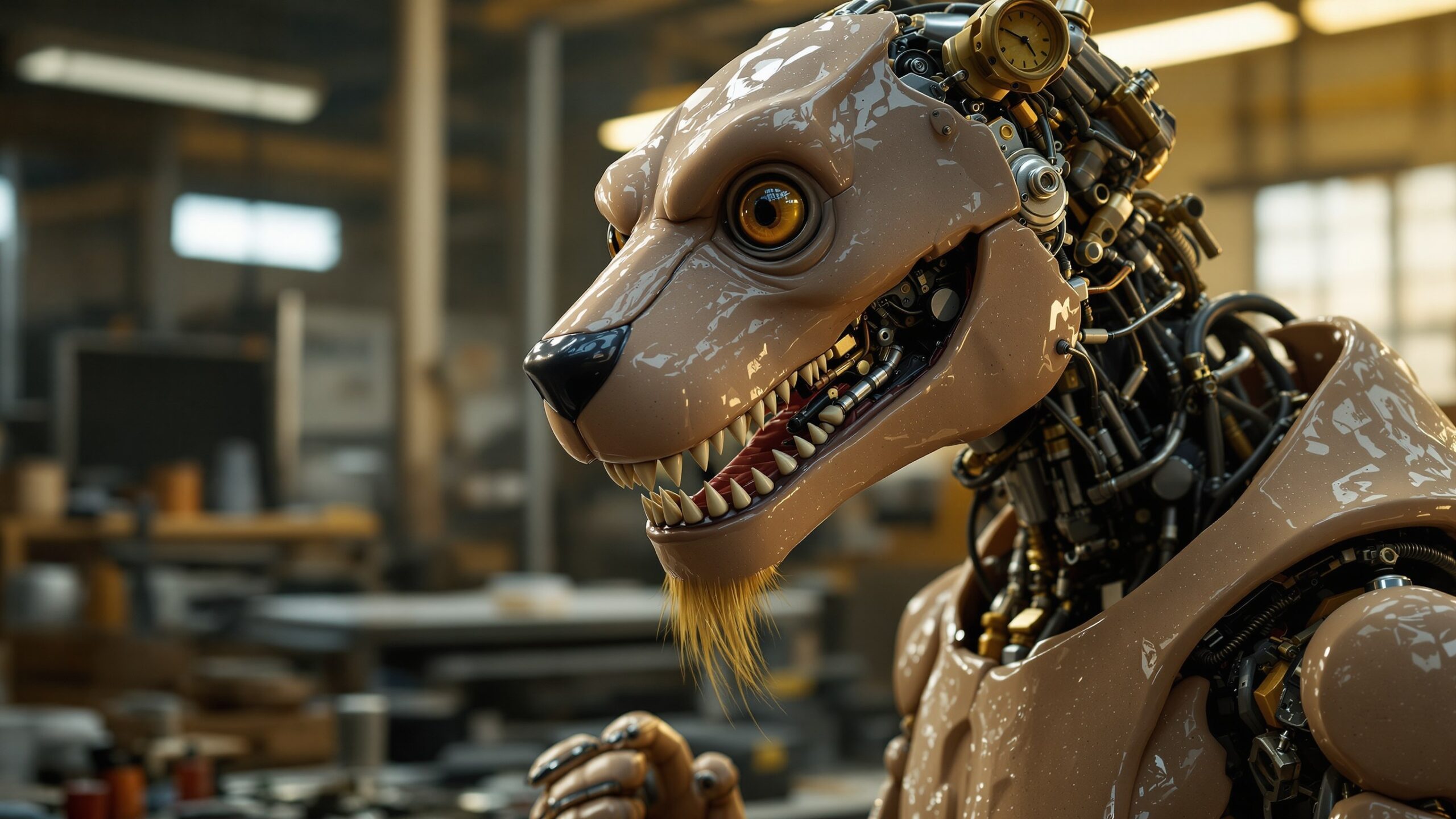
How Animatronics Work: From Motors to Magic
Animatronics sit at the intersection of engineering, artistry, and illusion. To audiences, they appear alive—blinking, breathing, gesturing, and reacting with uncanny realism. Behind that magic, however, lies a complex system of motors, mechanics, electronics, software, and creative design working in precise harmony. From theme park attractions and movie creatures to museum exhibits and retail displays, animatronics transform inert materials into expressive characters capable of storytelling without words. Understanding how animatronics work reveals not only the technology behind the illusion, but also the craftsmanship that makes mechanical motion feel emotional, believable, and alive.
A: Servos provide precise position control and repeatability.
A: Pneumatics are fast and powerful; motors offer fine control.
A: Through sensors, limits, interlocks, and emergency stops.
A: With maintenance, decades—many are continuously rebuilt.
A: Yes, most shows use programmed sequences synced to audio.
A: Wear components like belts, bearings, and hoses.
A: Yes, via software tuning and mechanical tweaks.
A: Slower movement appears more natural and protects parts.
A: Typically no—they follow controlled show logic.
A: The seamless blend of engineering, timing, and storytelling.
The Core Purpose of Animatronics
At its most fundamental level, animatronics exist to simulate life through controlled motion. Unlike robots designed primarily for autonomy or utility, animatronic figures are built to perform specific actions repeatedly, often in synchronized sequences, while maintaining visual realism. Their goal is not intelligence, but believability. Every movement—whether a subtle eyebrow raise or a sweeping arm gesture—is designed to reinforce character, emotion, and narrative context. This focus shapes every technical decision, from motor selection to programming philosophy.
Structural Foundations: Frames and Skeletons
Every animatronic begins with a structural framework, often referred to as the internal skeleton. This frame supports the weight of the figure, defines its range of motion, and provides mounting points for motors, linkages, and electronics. Typically constructed from aluminum, steel, or high-strength composites, the skeleton must balance rigidity with accessibility, allowing technicians to maintain or adjust internal components.
The skeletal design mirrors biological anatomy in many cases. Joints correspond to shoulders, elbows, jaws, necks, or spines, and their placement directly influences how natural the movement appears. Poorly designed joint geometry can result in robotic or jerky motion, while well-engineered structures allow fluid transitions and organic posture changes.
Motors: The Muscles of Motion
Motors are the driving force behind animatronic movement. Different types of motors are used depending on scale, speed, torque requirements, and desired smoothness. Small facial movements may rely on compact servo motors capable of precise positioning, while larger body motions often use pneumatic or hydraulic actuators for greater power.
Electric servo motors are common in modern animatronics because they allow accurate control over position, speed, and acceleration. These motors receive signals that tell them exactly how far and how fast to move, making them ideal for synchronized performances. For heavy figures or dramatic movements, pneumatic systems use compressed air to drive pistons, delivering strong, lifelike motion that can feel surprisingly organic when properly tuned.The choice of motor technology plays a critical role in the character’s personality. Fast, snappy servos may suit cartoonish or energetic characters, while slower, dampened actuators create weighty, realistic movement for creatures or animals.
Linkages and Motion Transfer
Motors alone do not create expressive motion. Mechanical linkages translate motor rotation or linear movement into complex gestures. These systems include rods, cables, pulleys, gears, and cams that guide motion along specific paths. Facial animatronics, in particular, rely on intricate linkage systems to move eyebrows, eyelids, lips, and cheeks independently while maintaining a cohesive expression.
Designing these linkages requires a deep understanding of both mechanics and anatomy. The way a jaw opens affects how skin stretches across the face. The angle of an eyelid influences perceived emotion. Engineers and artists collaborate closely to ensure that mechanical motion supports visual storytelling rather than distracting from it.
Control Systems and Electronics
At the heart of every animatronic is a control system that coordinates movement, timing, and synchronization. This system acts as the brain, sending commands to motors based on preprogrammed sequences or live input. Early animatronics relied on analog controls and mechanical timers, but modern systems use digital controllers and microprocessors for greater flexibility and precision.
These controllers manage multiple channels of motion simultaneously, allowing dozens or even hundreds of individual movements to occur in perfect coordination. Power distribution, signal integrity, and redundancy are critical considerations, especially in permanent installations where reliability is paramount. A single failed connection can disrupt an entire performance, making robust electronic design essential.
Programming Motion: Turning Data into Performance
Programming is where animatronics truly come to life. Motion data is created through a process known as show programming, which defines how each motor moves over time. Programmers map movement curves that control acceleration and deceleration, ensuring that motion starts and stops smoothly rather than abruptly.
In many cases, motion programming is synchronized with audio tracks, lighting cues, and other show elements. A character’s mouth movements may align precisely with recorded dialogue, while body gestures reinforce emotional beats. Advanced systems allow for layered animation, where base movements run continuously while expressive gestures are triggered dynamically. This process often mirrors animation techniques used in film, with keyframes, timing arcs, and easing functions shaping how motion feels rather than simply where it goes.
Skin, Surfaces, and Visual Realism
The outer appearance of an animatronic is just as important as its internal mechanics. Skins are typically made from silicone, latex, or foam materials chosen for flexibility, durability, and realism. These materials must stretch and compress naturally over moving components without tearing or revealing internal structures.
Coloration, texture, and translucency all contribute to lifelike appearance. Subtle details such as pores, wrinkles, and veins enhance realism, especially in close-up viewing environments. The interaction between skin and movement is critical; even the most advanced mechanics can feel artificial if the surface material does not move convincingly.
Costuming, hair, feathers, or fur further complicate this interaction, requiring careful integration to prevent interference with motion while maintaining visual authenticity.
Sensors and Feedback Systems
Some animatronics incorporate sensors that provide feedback on position, pressure, or environmental conditions. These sensors allow control systems to verify that movements are occurring as intended and to adjust performance in real time if necessary. Position sensors confirm motor alignment, while pressure sensors monitor pneumatic systems for safety and consistency.
In interactive installations, sensors may detect audience presence or input, triggering responses such as head turns, gestures, or vocalizations. While these systems are not fully autonomous in the way robots are, they add a layer of responsiveness that enhances immersion and engagement.
Safety and Reliability Engineering
Because animatronics often operate in public spaces, safety is a fundamental design requirement. Mechanical systems are engineered with load limits, emergency stops, and fail-safe behaviors to prevent injury or damage. Electrical systems include protection against power surges, overheating, and signal loss.
Reliability is equally important. Many animatronics perform the same sequence thousands of times per year, sometimes multiple times per hour. Components are selected not only for performance, but for longevity under repetitive stress. Maintenance access is built into designs so technicians can quickly service motors, linkages, or electronics without dismantling entire figures.
The Role of Art Direction and Character Design
Technical excellence alone does not create compelling animatronics. Art direction guides how movement supports character identity. A wise elder may move slowly with deliberate gestures, while a mischievous creature might exhibit quick, playful motions. These choices influence everything from motor speed to joint range.
Character designers work closely with engineers to define motion language, ensuring that mechanical capabilities align with narrative intent. This collaboration is what transforms a machine into a character audiences remember long after the show ends.
From Practical Effects to Modern Installations
Animatronics have evolved significantly over time. Early practical effects relied on simple mechanical rigs operated manually or through basic control systems. Today’s animatronics benefit from advanced materials, digital control, and sophisticated programming tools that allow unprecedented realism and complexity.
Despite these advances, the core principles remain unchanged. Effective animatronics still depend on thoughtful mechanical design, expressive motion, and seamless integration of technology and artistry. The magic lies not in any single component, but in how all elements work together to create the illusion of life.
The Future of Animatronic Technology
As technology continues to advance, animatronics are incorporating elements such as improved sensor arrays, more compact actuators, and enhanced control software. These developments allow for smoother motion, quieter operation, and greater adaptability. Integration with digital systems, including real-time control interfaces and advanced show programming tools, is expanding what animatronics can achieve.
Yet even as innovation accelerates, the essence of animatronics remains rooted in storytelling. Motors and software are merely tools in service of illusion, emotion, and experience. The most successful animatronics are those that audiences stop analyzing and simply believe.
From Engineering to Enchantment
Understanding how animatronics work reveals a world where engineering precision meets creative vision. Beneath lifelike expressions and fluid gestures lies a carefully orchestrated system of motors, mechanics, electronics, and programming, all designed to disappear behind the performance. When done well, animatronics transcend machinery, becoming characters that feel present, expressive, and unforgettable. From motors to magic, animatronics remind us that technology is most powerful when it serves imagination.