

Redundancy and Fail-Safe Design
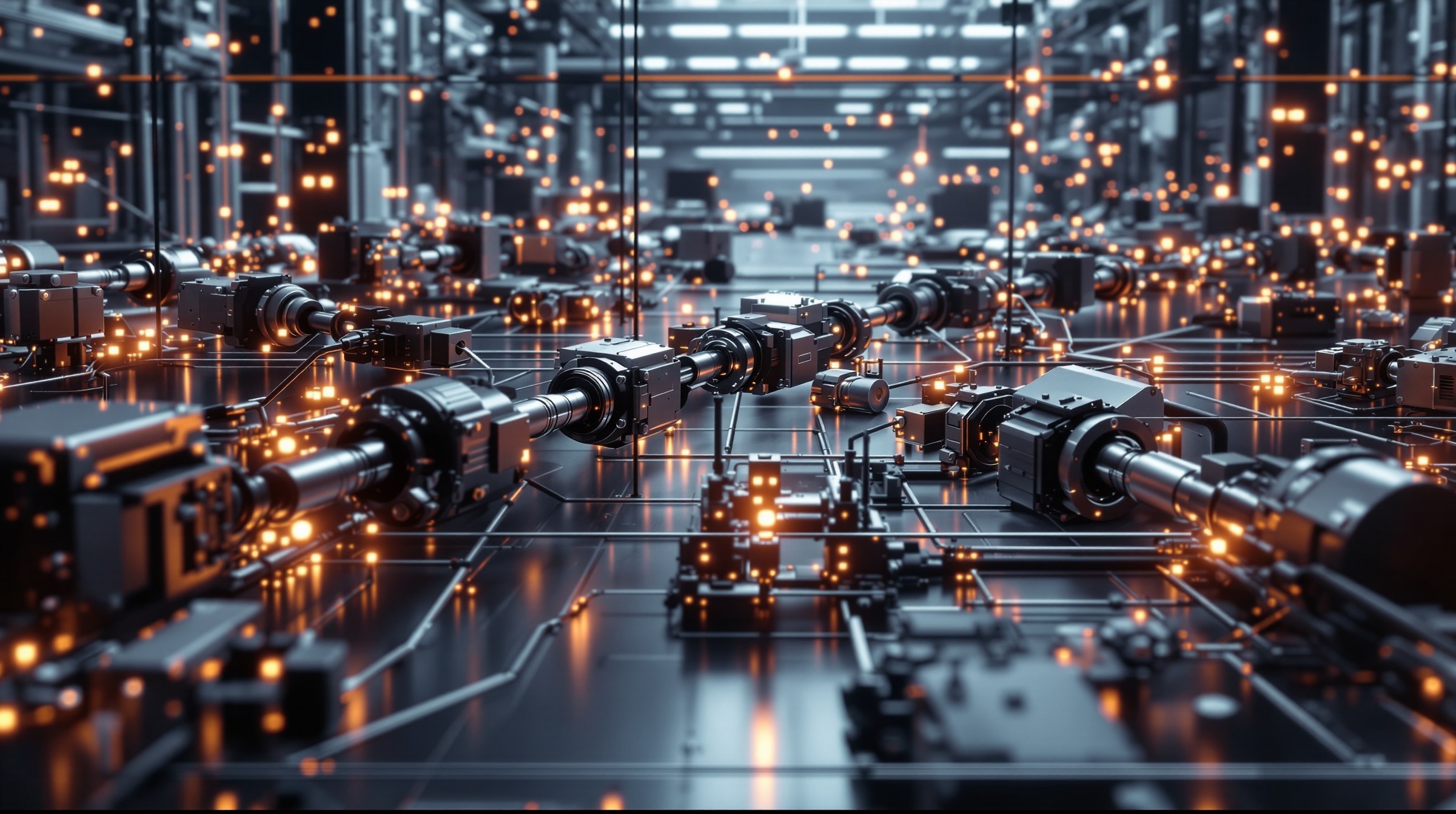
Redundancy and Fail-Safe Design are the invisible guardians behind every lifelike movement on Animatronics Street, where advanced engineering meets reliability under pressure. In complex motion systems, even a millisecond fault can disrupt performance, which is why modern animatronics rely on layered safety architecture, duplicate sensors, backup power paths, and intelligent control algorithms to maintain stability. This subcategory explores how engineers design fault-tolerant robotics that anticipate failure before it happens, seamlessly

Motion Testing and Calibration
Precision is the heartbeat of lifelike mechanics, and Motion Testing and Calibration is where animatronic engineering transforms from theory into flawless movement. This subcategory on Animatronics Street dives deep into the science and methodology behind validating motion systems, fine-tuning servo response, synchronizing actuators, and calibrating sensors for peak performance. Here you’ll explore expert guides, technical breakdowns, and real-world analyses covering diagnostic protocols, motion profiling, load testing, feedback loop optimization, and

Hydraulic Systems
Hydraulic systems power some of the most lifelike, forceful, and precise movements in modern animatronics, transforming static builds into dynamic mechanical performers. In animatronic engineering, hydraulics use pressurized fluid, cylinders, valves, and pumps to generate smooth, high-torque motion capable of lifting heavy structures, driving realistic limb articulation, and delivering cinematic special-effects action. From theme park giants and film creatures to industrial robotic figures, these systems are prized for their strength-to-size

Pneumatic Systems
Power, precision, and lifelike movement begin with pneumatic systems—the air-driven technology that gives animatronics their breath of life. Within the world of engineering and motion systems, pneumatics play a vital role in transforming compressed air into smooth, responsive mechanical action, enabling characters, props, and robotic assemblies to move with remarkable realism. From high-speed valves and regulators to cylinders, tubing, and advanced control architectures, pneumatic design blends physics, automation, and creativity

Electric Motion Systems
Electric Motion Systems are the dynamic backbone of modern animatronics, transforming electrical energy into lifelike movement, precision positioning, and synchronized mechanical performance. From high-torque servo motors and responsive stepper motors to advanced linear actuators and intelligent control modules, these systems power everything from expressive robotic faces to industrial automation rigs. On Animatronics Street, this category explores the engineering principles, component technologies, and motion-control strategies that make sophisticated movement possible. You’ll

Bearings and Load Paths
Behind every lifelike animatronic movement lies a hidden network of precision engineering, and nothing defines performance more than bearings and load paths. This section explores how rotational and linear bearings, thrust assemblies, bushings, and guides control friction, distribute forces, and sustain smooth articulation in complex motion systems. From miniature servo joints to full-scale robotic figures, understanding load paths is essential for designing mechanisms that remain stable, quiet, and durable under

Linkages and Joints
Linkages and joints are the mechanical language of motion, transforming motor power into lifelike expression within animatronic systems. This subcategory explores the engineering principles, kinematic chains, pivot mechanisms, rotary joints, linear linkages, and articulated assemblies that allow machines to bend, twist, grip, and gesture with precision. From four-bar linkages used in animatronic jaws to ball-and-socket joints that replicate shoulder movement, these components define realism, range of motion, and mechanical efficiency.

Actuators and Drives
Behind every lifelike animatronic movement lies the hidden force of actuators and drives—the engineering powerhouses that transform energy into motion with precision, speed, and personality. This category explores the technologies that make mechanical systems breathe, blink, grip, rotate, and perform with astonishing realism. From high-torque electric motors and servo systems to pneumatic cylinders, hydraulic pistons, and advanced linear actuators, these motion control components define how machines move and respond. Whether

Armatures and Frames
Behind every lifelike animatronic lies a hidden skeleton of precision: the armatures and frames that give motion its strength, balance, and realism. This subcategory explores the engineering foundations that transform static components into expressive mechanical performers, from lightweight aluminum endoskeletons to industrial steel load-bearing frames designed for high-torque actuators. Discover how structural geometry, joint placement, and material science determine range of motion, durability, and control accuracy in advanced animatronic systems.