
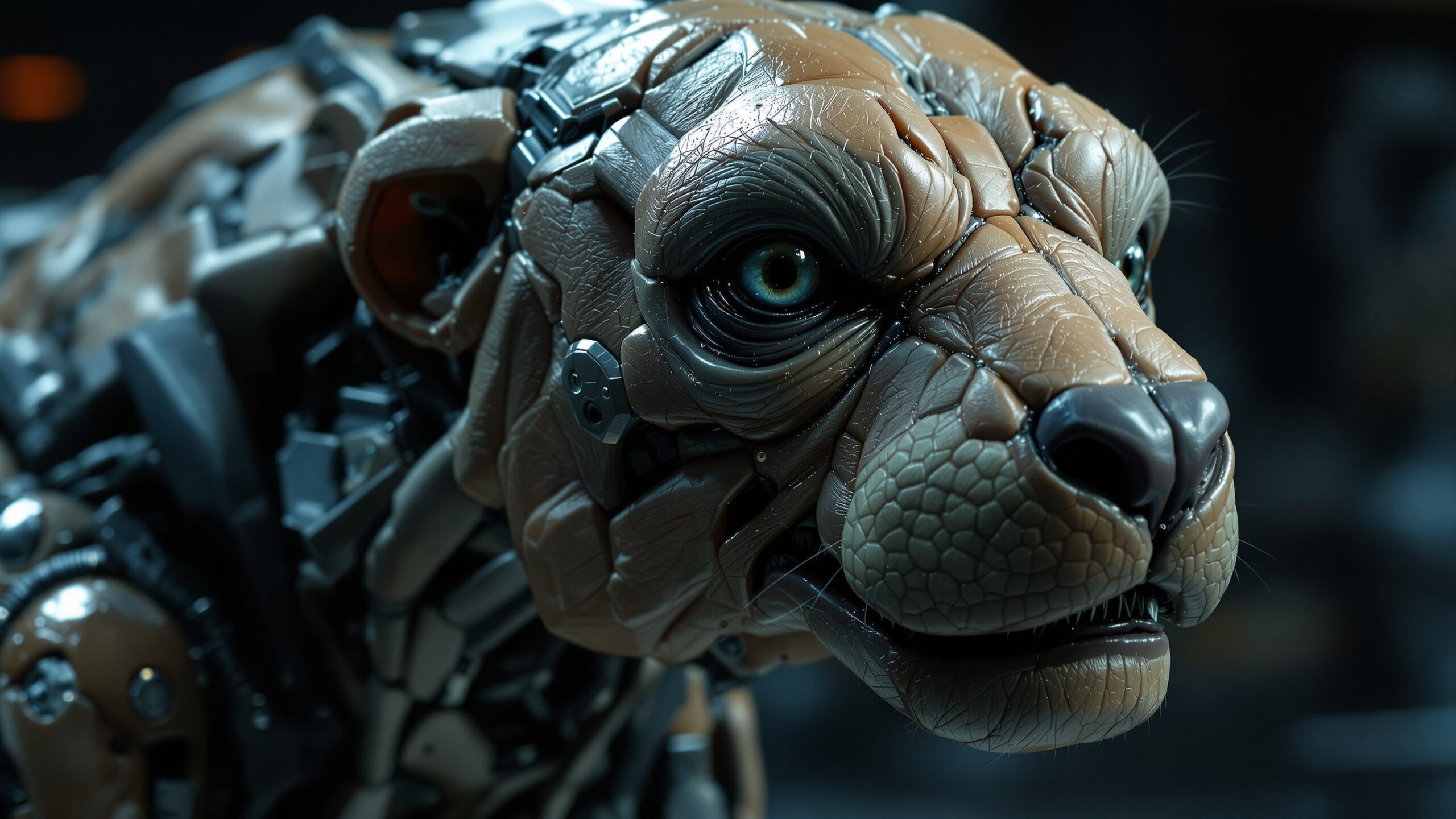
The Complete History of Animatronics: From Ancient Automata to Modern Robotics
From ancient mechanical wonders to today’s hyper-realistic creations, animatronics has evolved into a powerful fusion of art and engineering. This journey explores how centuries of innovation transformed simple automata into lifelike systems that move, react, and captivate—shaping entertainment, technology, and the future of human-machine interaction.

How Animatronics Evolved: A Timeline from Mechanical Marvels to AI-Driven Figures
From water-powered automata to intelligent, lifelike creations, animatronics has evolved into a powerful fusion of engineering and storytelling. This timeline uncovers the breakthroughs, innovations, and creative milestones that transformed simple mechanical motion into expressive, responsive figures shaping entertainment, education, and beyond.

The Origins of Animatronics: Early Automata That Changed Engineering Forever
Step into the fascinating origins of animatronics, where ancient automata and ingenious mechanical systems first brought motion to life. This deep dive reveals how early innovators shaped the engineering principles behind today’s lifelike machines, blending creativity, precision, and centuries of evolving technology into one extraordinary journey.