Behind the Scenes of Theme Park Animatronics
Theme park animatronics are among the most powerful tools ever created for immersive storytelling. Long before visitors notice a ride vehicle, lighting cue, or musical score, they form emotional connections with characters that breathe, blink, gesture, and react with uncanny realism. These figures are not simple machines hidden behind costumes; they are complex theatrical systems combining mechanical engineering, digital control, sculptural artistry, and narrative design. Behind every seamless performance is a carefully orchestrated process that blends science and imagination in equal measure. This behind-the-scenes journey explores how theme park animatronics are conceived, built, programmed, tested, and maintained, revealing the hidden craftsmanship that transforms steel frames and silicone skins into living story elements.
A: Many receive daily visual checks and scheduled deep maintenance.
A: Safety systems freeze motion and trigger show bypasses.
A: Outdoor units are sealed and drained, not fully submerged.
A: Most operate in cycles tied to ride dispatch.
A: With upgrades, decades.
A: Nearly every figure is bespoke.
A: Yes—controllers and skins are often replaced.
A: Not when properly maintained and interlocked.
A: Controlled speed reduces wear and improves safety.
A: Typically sensors or wiring, not motors.
The Role of Animatronics in Theme Park Storytelling
Animatronics exist to serve story first. Unlike robots designed for efficiency or autonomy, theme park figures are built to perform specific emotional beats within a controlled narrative environment. A pirate leans in to whisper a threat, a mythical creature exhales slowly to build suspense, or a beloved character waves in perfect sync with music and lighting. Each movement is deliberate, designed to guide guest attention and reinforce the illusion of life.
In modern attractions, animatronics often anchor entire scenes. Guests may forget how fast a ride vehicle moves or how large a projection screen is, but they remember eye contact, facial expression, and subtle gestures. This emotional resonance is why animatronics remain irreplaceable even in an era of advanced digital effects.
Concept Development and Character Design
Every animatronic begins as an idea rooted in story. Creative teams define who the character is, how they behave, and what role they play within the attraction. Personality traits are established early, including posture, movement tempo, emotional range, and physical scale. A towering villain requires different engineering solutions than a small, expressive sidekick.
Concept artists produce sketches and digital paintings that explore silhouette, costume, and facial expression. These visuals are refined through collaboration between storytellers, engineers, and sculptors. Early decisions at this stage directly affect feasibility, cost, and long-term reliability, making concept development one of the most critical phases of the entire process.
Sculpting the Physical Form
Once a design is approved, sculptors translate two-dimensional art into three-dimensional reality. Traditionally done in clay and now often supported by digital sculpting tools, this phase defines anatomy, proportions, and surface detail. Facial features are sculpted with extreme precision to support lifelike expressions once mechanical motion is introduced.
For human figures, sculptors study musculature and bone structure to ensure movements appear natural. For creatures and fantasy characters, the challenge lies in making imaginary anatomy feel believable. Every wrinkle, fold, and contour must support both aesthetics and mechanical clearance beneath the surface.
Engineering the Internal Structure
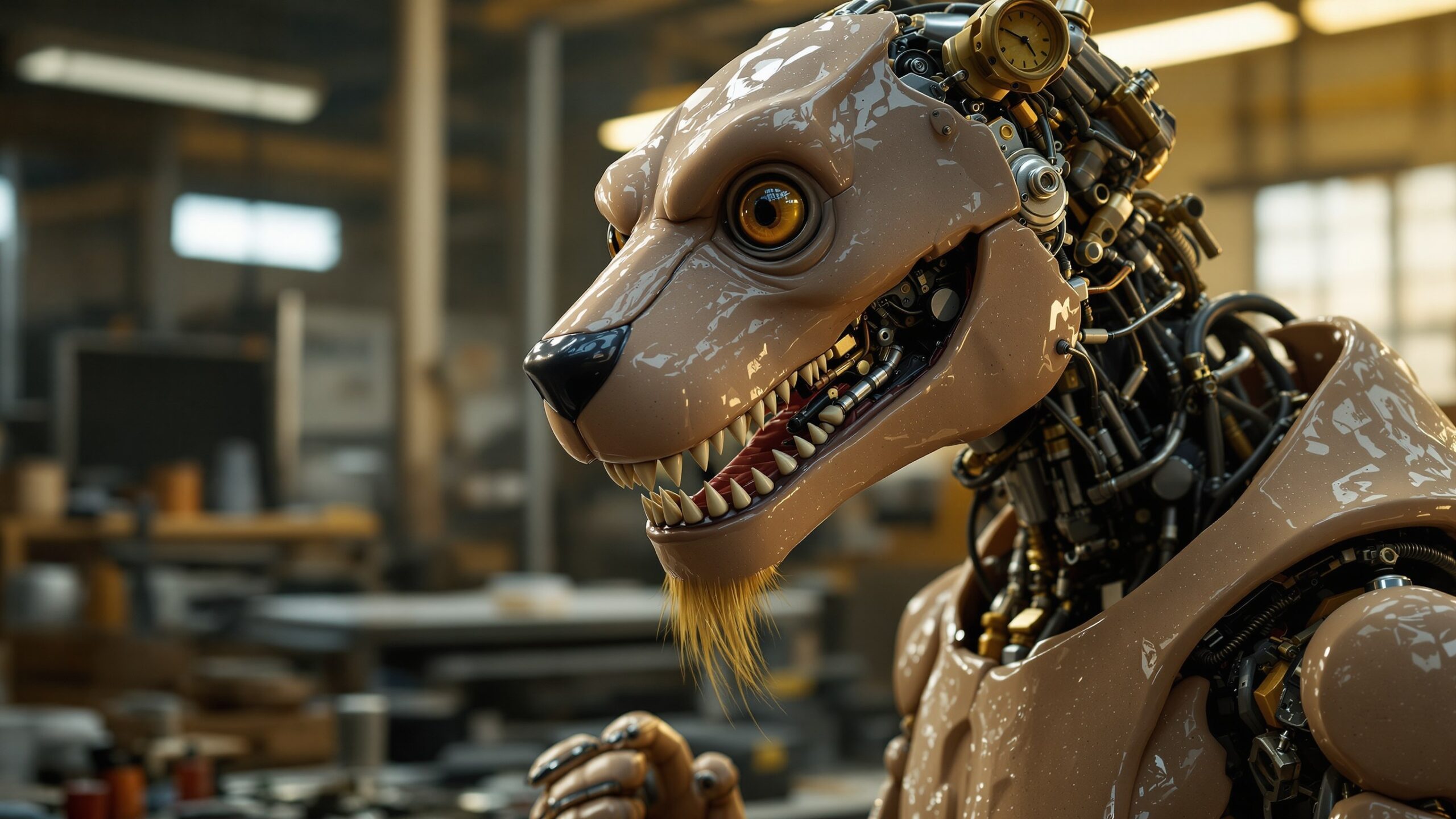
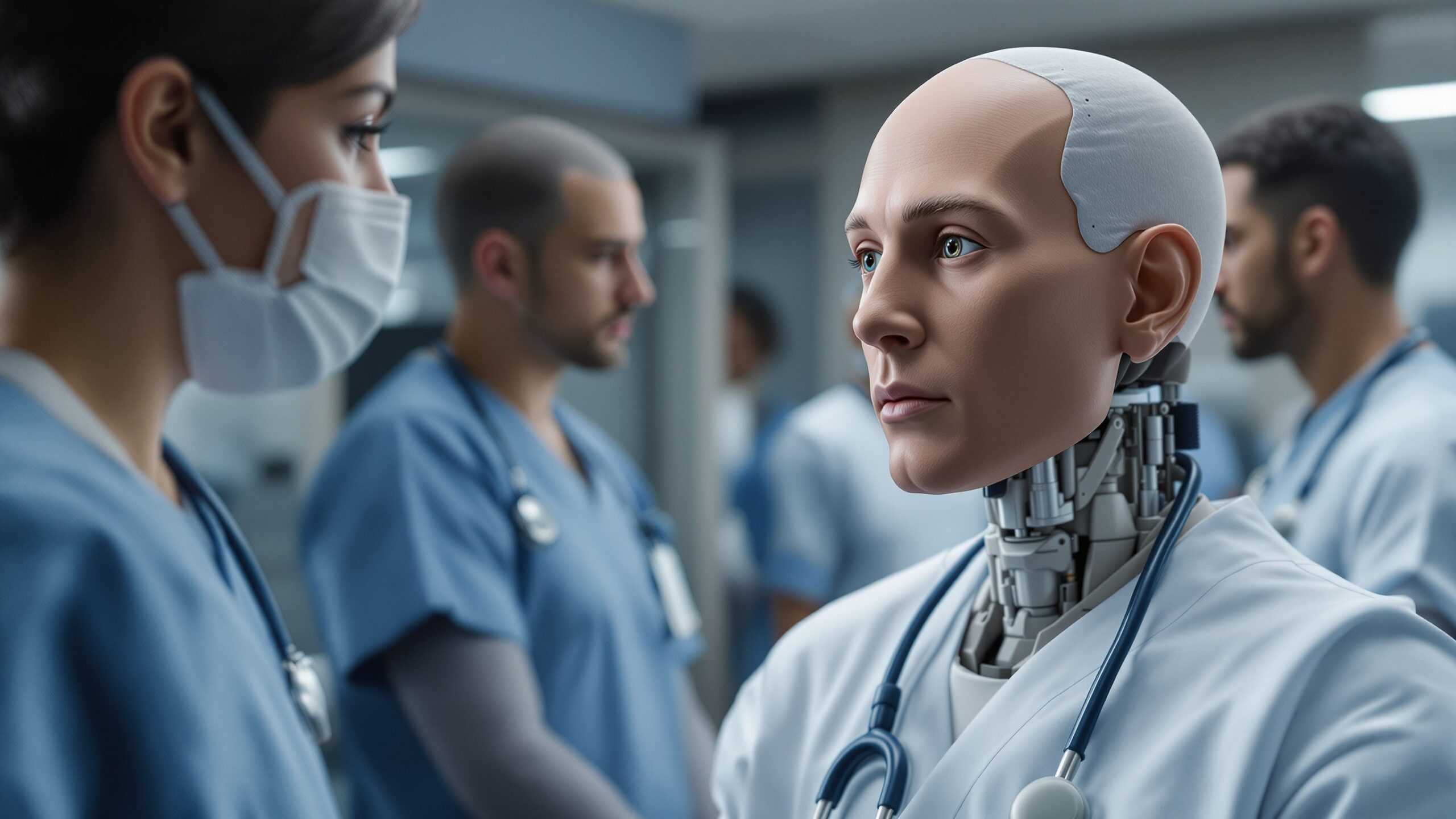
Beneath the finished exterior lies the true heart of an animatronic: its mechanical skeleton. Engineers design internal frames, joints, and linkages to support movement while withstanding years of continuous operation. Materials such as aluminum alloys, steel, and advanced composites are selected for strength, weight, and durability.
Motion systems vary widely depending on character requirements. Simple figures may rely on rotary motors and cams, while advanced characters use linear actuators, servo systems, or pneumatic cylinders. Each joint is carefully engineered to balance realism, safety, and maintenance accessibility.
Motion Design and Kinematics
Movement is where animatronics either succeed or fail. Guests instinctively recognize unnatural motion, even if they cannot explain why. Engineers and motion designers work together to define kinematic profiles that mimic organic behavior. Acceleration, deceleration, and micro-pauses are carefully tuned to avoid robotic stiffness.
For facial animation, dozens of individual axes may control eyebrows, eyelids, lips, and jaw movement. These micro-motions are essential for emotional expression. A slight delay in eye movement or an overly sharp jaw snap can break immersion instantly, so motion programming is approached with the same care as character animation in film.
Control Systems and Programming
Modern animatronics are controlled by sophisticated show control systems that synchronize motion with audio, lighting, projection, and ride timing. Programmers create motion sequences using specialized software, often working frame-by-frame to align gestures with dialogue and sound effects.
Redundancy and safety are central considerations. Sensors monitor position, speed, and force to prevent mechanical failure or unsafe operation. In many attractions, animatronics are integrated into a larger network that ensures precise timing across multiple scenes, allowing hundreds of effects to function as a single cohesive performance.
Skin, Costuming, and Surface Materials
The external appearance of an animatronic is just as important as its internal mechanics. Silicone skins are commonly used for human figures because they stretch, compress, and reflect light in lifelike ways. These skins are hand-painted in layers to replicate subtle variations in skin tone, translucency, and texture.
Costumes must be engineered to move naturally without interfering with underlying mechanisms. Fabric selection, seam placement, and reinforcement are all carefully planned. Even hair and facial hair are applied strand by strand, often using techniques borrowed from film makeup and prosthetics.
Audio Performance and Voice Integration
Voice acting plays a crucial role in bringing animatronics to life. Dialogue is recorded with precise timing and emotional nuance, then integrated into motion programming. Mouth shapes, head tilts, and eye movements are choreographed to match speech patterns, creating the illusion of thought and intent.
Sound design extends beyond dialogue. Breathing, mechanical hums, environmental effects, and synchronized music all contribute to realism. These audio elements are carefully balanced to enhance immersion without drawing attention to the technology behind the scenes.
Lighting and Environmental Interaction
Animatronics are never designed in isolation. Lighting designers work closely with engineers to ensure figures are illuminated in ways that enhance realism and conceal mechanical limitations. Shadows are used strategically to mask joints or simplify movement where full articulation is unnecessary.
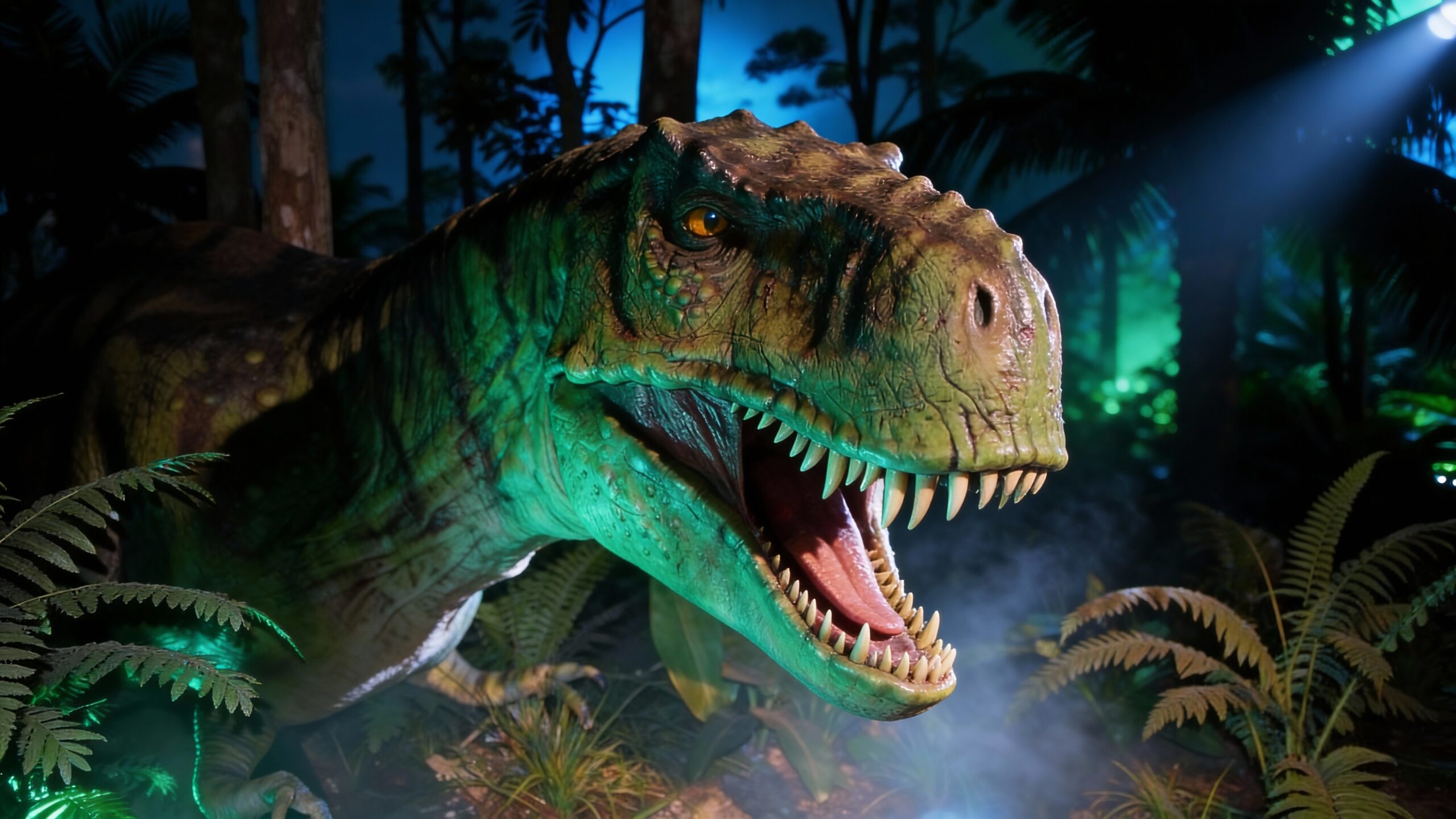
Environmental effects such as fog, water, heat, and wind further integrate animatronics into their surroundings. A creature emerging through mist or a character illuminated by flickering torchlight feels more alive because the environment responds dynamically to their presence.
Testing, Calibration, and Rehearsal
Before an animatronic ever appears to guests, it undergoes extensive testing. Engineers run motion cycles repeatedly to identify stress points and mechanical wear. Programmers fine-tune timing and transitions, often making incremental adjustments measured in milliseconds.
Rehearsal is an ongoing process. Even after installation, animatronics are continually evaluated to ensure performance consistency. Minor adjustments can significantly improve realism, demonstrating how small refinements have large impacts on guest perception.
Maintenance and Daily Operations
Behind the scenes, maintenance teams are the unsung heroes of animatronic performance. Figures may operate for thousands of hours each year, making regular inspection essential. Components are cleaned, lubricated, and replaced on scheduled cycles to prevent failure.
Many attractions include backup systems or simplified “B-mode” animations that allow figures to continue operating safely if a primary system experiences issues. This ensures reliability while preserving storytelling continuity for guests.
The Evolution of Animatronics Technology
Animatronics have evolved dramatically from early mechanical figures driven by simple motors. Advances in digital control, materials science, and motion capture have expanded what is possible. Modern figures can perform fluid, multi-axis movements that rival live performers in expressiveness.
Despite these advances, the core philosophy remains unchanged. Animatronics are not about technological spectacle alone; they exist to support story, emotion, and immersion. Each innovation is evaluated not just for novelty, but for how effectively it enhances the guest experience.
Why Animatronics Still Matter in a Digital World
In an age of projection mapping and augmented reality, animatronics offer something uniquely powerful: physical presence. Guests share space with these characters, feel their scale, and experience their movements firsthand. This tangible reality creates memories that digital effects alone cannot replicate.
Animatronics anchor fantasy in the physical world. They remind guests that stories are not just seen on screens, but lived within carefully crafted environments designed to inspire wonder.
The Hidden Art Behind the Magic
Behind the scenes of theme park animatronics lies a fusion of disciplines rarely seen in one place. Engineers think like artists, artists understand mechanics, and programmers shape emotion through code. Every successful figure represents thousands of decisions made in service of a single goal: making guests believe, if only for a moment, that the impossible is real.
The next time a character meets your gaze or a creature seems to breathe beside you, remember that beneath the magic is a world of craftsmanship, precision, and passion. Theme park animatronics are not merely machines; they are storytellers brought to life through unseen hands working tirelessly behind the scenes.