How Animatronics Work: A Simple Breakdown for Beginners
Animatronics sit at the intersection of art, engineering, and storytelling, bringing lifelike motion to inanimate objects. From theme park characters that blink and speak to film creatures that breathe and react, animatronics transform imagination into physical reality. For beginners, the concept can seem complex—packed with electronics, mechanics, and programming—but at its core, animatronics follows a clear and logical system. Once you understand the foundational components and how they interact, the entire field becomes far more approachable. This guide breaks down how animatronics work in a simple, structured way, offering a solid starting point for anyone curious about this fascinating technology.
A: Typically electric motors, servos, or pneumatic systems.
A: They are a form of robotics focused on lifelike motion.
A: Through programmed microcontrollers and software.
A: Silicone, latex, and foam are common.
A: Yes, starting with simple servo-based projects.
A: Highly realistic with advanced mechanics and programming.
A: Yes, especially moving parts and electronics.
A: Coordinated, natural-looking motion is the biggest challenge.
A: Costs vary widely from DIY builds to professional systems.
A: Theme parks, films, museums, and interactive displays.
What Is Animatronics?
Animatronics refers to the use of mechanical and electronic systems to create machines that mimic living beings. These systems are designed to move, gesture, and sometimes even express emotion through coordinated actions. The term itself blends “animation” and “electronics,” which accurately reflects its dual nature: storytelling powered by engineering.
Modern animatronics appear in a wide range of environments. Theme parks use them to create immersive attractions, films rely on them for realistic practical effects, museums use them for educational exhibits, and hobbyists build smaller-scale versions for personal projects. Regardless of scale, all animatronic systems share the same underlying structure: a framework that moves, a system that powers those movements, and a control mechanism that directs them.
The Core Components of an Animatronic System
Every animatronic device is built from a few essential components that work together as a unified system. Understanding these components is the first step toward grasping how animatronics function.
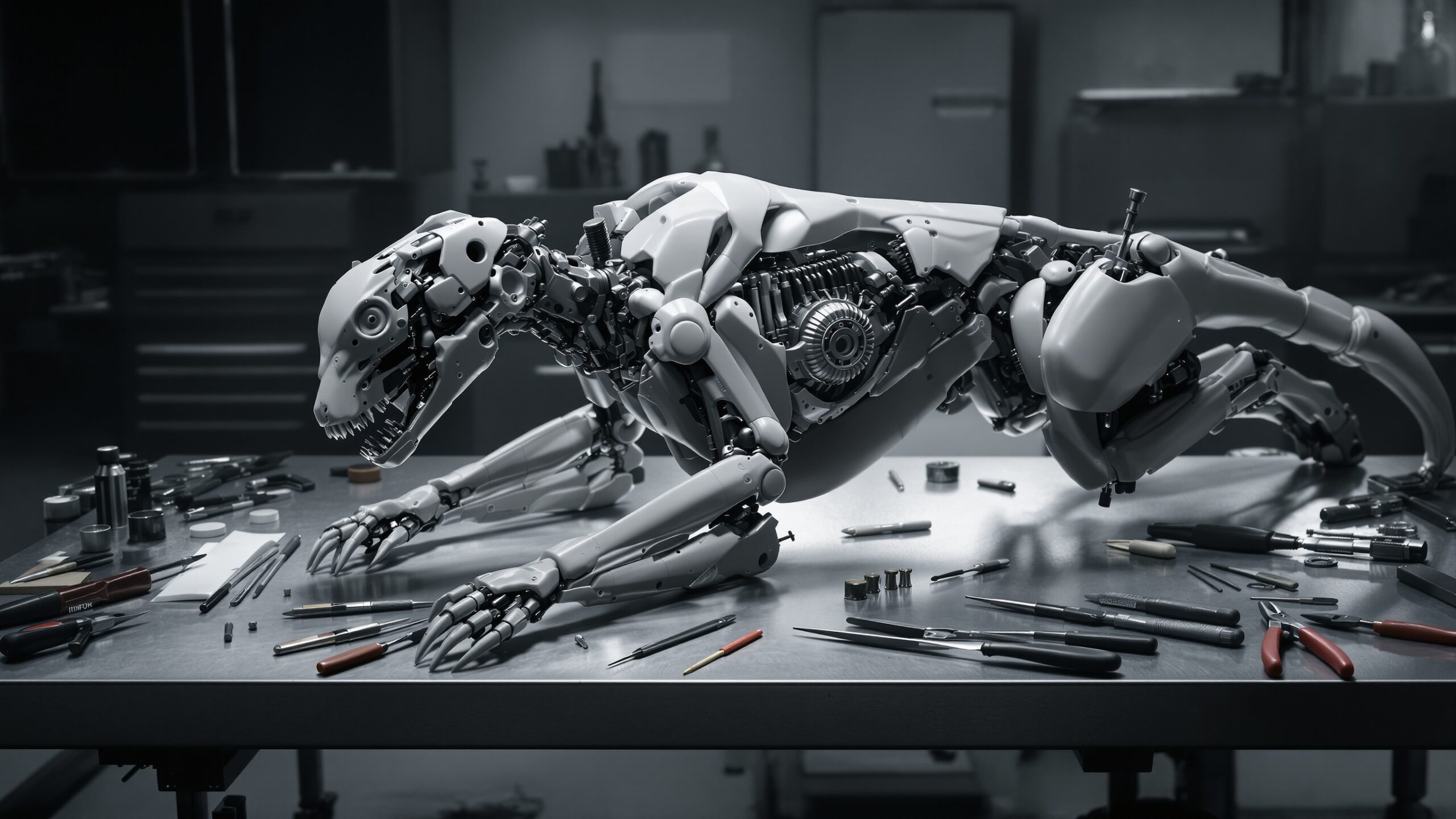
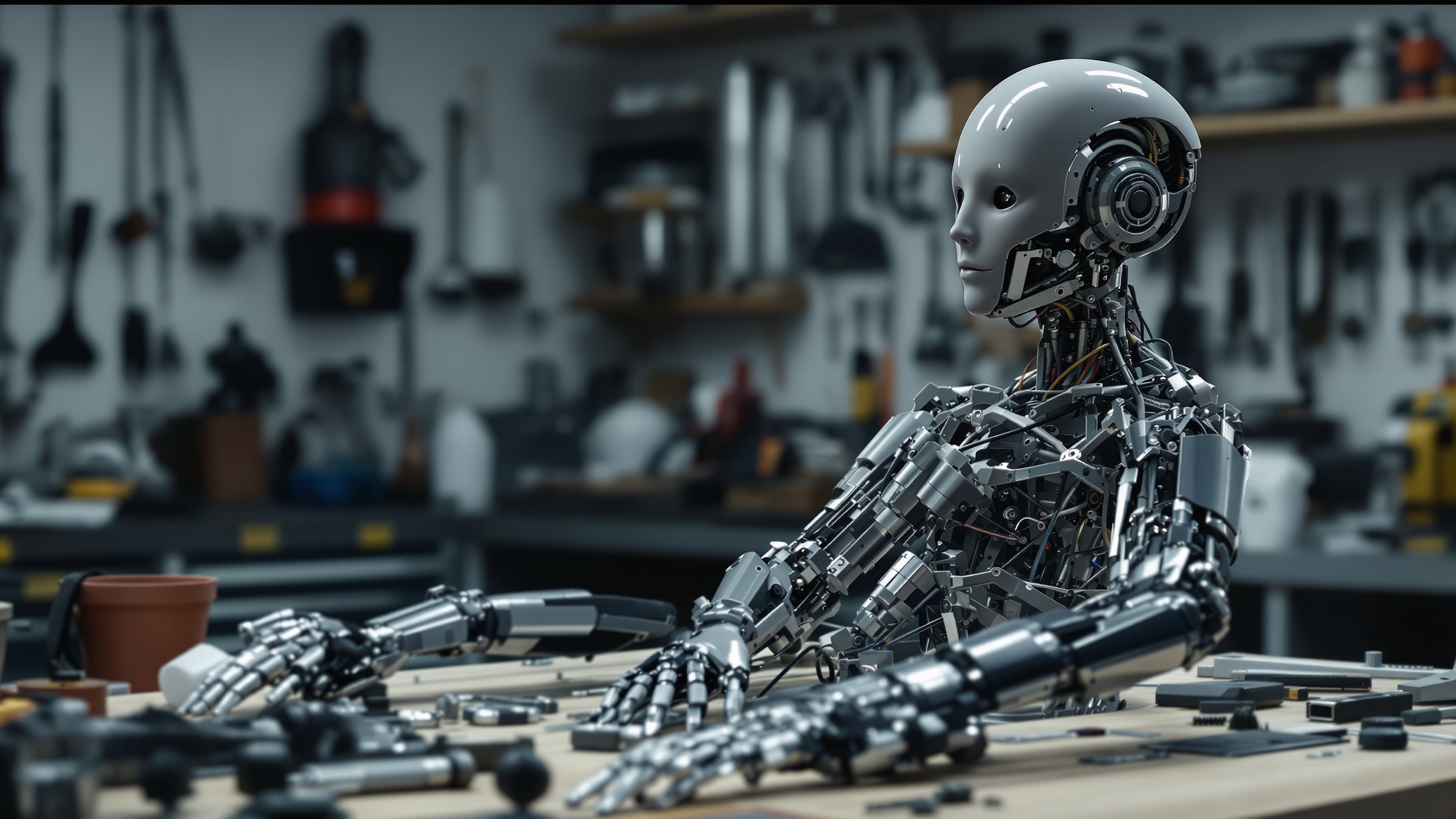
At the heart of any animatronic is the mechanical structure, often called the “armature” or “skeleton.” This framework defines the shape and range of motion of the figure. It is typically made from materials like aluminum, steel, or high-strength plastics, chosen for their balance of durability and weight. The structure includes joints that replicate biological movement, such as hinges for elbows or ball joints for shoulders.
Next comes the actuation system, which is responsible for movement. Actuators are devices that convert energy into motion. These can be electric motors, pneumatic cylinders, or hydraulic systems. Each type offers different advantages. Electric motors are common in smaller or more precise systems, while pneumatics and hydraulics are often used in large-scale animatronics where greater force is required.
Powering these actuators is the energy system. Electrical animatronics rely on batteries or direct power supplies, while pneumatic systems use compressed air and hydraulic systems use pressurized fluid. The choice of power source directly influences performance, cost, and complexity.
Finally, the control system acts as the “brain” of the animatronic. This includes microcontrollers, computers, or specialized control boards that send signals to the actuators. These signals determine when and how each part moves, allowing the system to perform coordinated actions.
How Movement Is Created
Movement in animatronics begins with the actuator. When the control system sends a signal, the actuator responds by creating motion. For example, an electric motor may rotate a shaft, which then moves a linkage connected to a joint. This motion can be simple, like opening and closing a mouth, or complex, like coordinating multiple joints to simulate walking.
The design of the linkage system plays a critical role in how natural the movement appears. Engineers carefully calculate angles, leverage, and resistance to ensure that each motion mimics real-life behavior. Even small inaccuracies can make movements appear robotic or unnatural, so precision is essential.
Speed and timing are equally important. Movements must accelerate and decelerate smoothly to avoid jerky transitions. This is often achieved through programming techniques such as easing curves, which gradually adjust motion rather than starting and stopping abruptly. The result is a more lifelike and believable performance.
The Role of Control Systems and Programming
The control system is where animatronics truly come to life. It interprets instructions and translates them into physical actions. In simple systems, this might involve pre-programmed sequences stored on a microcontroller. In more advanced setups, real-time inputs and complex software allow for dynamic responses.
Programming defines the behavior of the animatronic. Engineers write code that specifies how each actuator should move, when it should activate, and how it should coordinate with other components. This code can be as straightforward as a loop that repeats a set of motions or as complex as a system that responds to sensors and user interactions.
Synchronization is a key aspect of programming. For example, if an animatronic character is speaking, the mouth movements must align with audio playback. This requires precise timing and often involves breaking down audio into phonemes and mapping them to corresponding mechanical actions. The result is a seamless illusion of speech.
Sensors and Interactivity
While early animatronics followed fixed sequences, modern systems often incorporate sensors to create interactive experiences. Sensors allow the animatronic to detect and respond to its environment, making it feel more alive.
Common sensors include motion detectors, proximity sensors, cameras, and microphones. These inputs are processed by the control system, which then adjusts the animatronic’s behavior accordingly. For instance, a figure might turn its head when someone approaches or respond to sound by initiating a programmed sequence.
Interactivity adds a layer of complexity but significantly enhances realism. It shifts animatronics from passive displays to responsive characters, capable of engaging with audiences in meaningful ways.
Materials and External Design
The external appearance of an animatronic is just as important as its internal mechanics. Designers use a variety of materials to create realistic surfaces, including silicone, foam latex, and specialized fabrics. These materials are chosen for their flexibility and ability to mimic skin, fur, or other textures.
The outer layer, often referred to as the “skin,” must work in harmony with the internal structure. It needs to stretch and compress without restricting movement or tearing. Achieving this balance requires careful design and testing.
Attention to detail is critical. Subtle features like wrinkles, color variations, and texture contribute to the overall realism. When combined with precise movement, these details create the illusion of life.
Types of Actuation Systems
Different types of actuators are used depending on the requirements of the animatronic. Electric motors are widely used due to their accessibility and precision. Servo motors, in particular, are popular because they allow for controlled movement within a specific range, making them ideal for joints and facial expressions.
Pneumatic systems use compressed air to drive motion. These systems are capable of fast and powerful movements, which makes them suitable for large animatronics or applications where speed is essential. However, they can be noisy and require additional infrastructure such as compressors and air lines.
Hydraulic systems use pressurized fluid to generate force. They are often found in large-scale industrial or cinematic animatronics where immense शक्ति is needed. Hydraulics offer smooth and powerful motion but are more complex and expensive to maintain.
Each system has its trade-offs, and the choice depends on factors like scale, budget, and desired performance.
Building a Simple Animatronic
For beginners, starting with a simple animatronic project is the best way to understand how all the components fit together. A basic setup might include a small frame, a few servo motors, a microcontroller such as an Arduino, and a power source.
The process begins with designing the structure. Even a simple head or arm can demonstrate key principles. Once the structure is built, the actuators are installed and connected to the joints. Wiring connects the actuators to the control system, which is then programmed to perform specific movements.
Testing and iteration are essential. Initial movements may not look natural, but adjustments to timing, angles, and programming can significantly improve results. This hands-on approach provides valuable insight into the mechanics and challenges of animatronics.
Common Challenges and How They Are Solved
Animatronics involves a range of technical challenges that require careful problem-solving. One common issue is achieving smooth and realistic motion. This often requires fine-tuning both the mechanical design and the programming.
Another challenge is managing power and efficiency. Actuators can consume significant energy, especially in larger systems. Engineers must balance performance with energy consumption to ensure reliable operation.
Durability is also a concern. Moving parts experience wear and tear over time, so materials and components must be chosen for longevity. Regular maintenance and testing help prevent failures.
Finally, synchronization can be complex, particularly in systems with many moving parts. Advanced software and control techniques are used to coordinate actions and maintain consistency.
Real-World Applications of Animatronics
Animatronics plays a major role in entertainment, but its applications extend beyond that. In theme parks, animatronics create immersive environments that captivate visitors. In film and television, they provide practical effects that enhance realism and interact naturally with actors.
Museums and educational institutions use animatronics to bring exhibits to life, making learning more engaging. Retail environments use them for displays that attract attention and create memorable experiences.
Even in robotics research, animatronics contributes to the development of lifelike machines that can interact with humans. The principles used in animatronics often overlap with those in robotics, particularly in areas like motion control and human-machine interaction.
The Future of Animatronics
As technology advances, animatronics continues to evolve. Improvements in materials, electronics, and software are enabling more sophisticated and realistic systems. Artificial intelligence and machine learning are beginning to play a role, allowing animatronics to adapt and respond in increasingly complex ways.
3D printing is also transforming the field, making it easier to prototype and produce custom components. This opens the door for more accessible and innovative designs, particularly for independent creators and hobbyists.
The integration of digital and physical technologies is another key trend. Animatronics is increasingly combined with augmented reality, projection mapping, and advanced audio systems to create fully immersive experiences.
Why Animatronics Captures the Imagination
There is something uniquely compelling about animatronics. Unlike purely digital effects, animatronics exists in the physical world. It occupies space, interacts with light, and can be experienced from any angle. This tangible presence creates a sense of realism that is difficult to replicate digitally.
At the same time, animatronics is a deeply creative field. It combines storytelling, design, and engineering in a way that allows creators to bring ideas to life in a literal sense. Whether it is a simple moving figure or a complex interactive character, animatronics has the power to engage, entertain, and inspire.
Getting Started as a Beginner
For those interested in exploring animatronics, the best approach is to start small and build gradually. Learning basic electronics, programming, and mechanical design provides a strong foundation. Experimenting with simple projects helps develop practical skills and confidence.
There are many resources available, including online tutorials, open-source projects, and communities of enthusiasts. These resources can provide guidance and inspiration, making it easier to overcome challenges and progress.
Patience and persistence are key. Animatronics is a multidisciplinary field, and mastering it takes time. However, the process of learning and creating is highly rewarding, offering a unique blend of technical and creative satisfaction.
Conclusion
Animatronics may seem complex at first glance, but its core principles are straightforward. By understanding the relationship between structure, actuation, power, and control, beginners can quickly grasp how these systems work. From there, the possibilities expand into a world of creativity and innovation.
Whether you are drawn to the technical challenges or the artistic potential, animatronics offers a compelling journey. It is a field where imagination meets engineering, and where even the simplest project can bring something extraordinary to life.