Where Imagination Meets Engineering
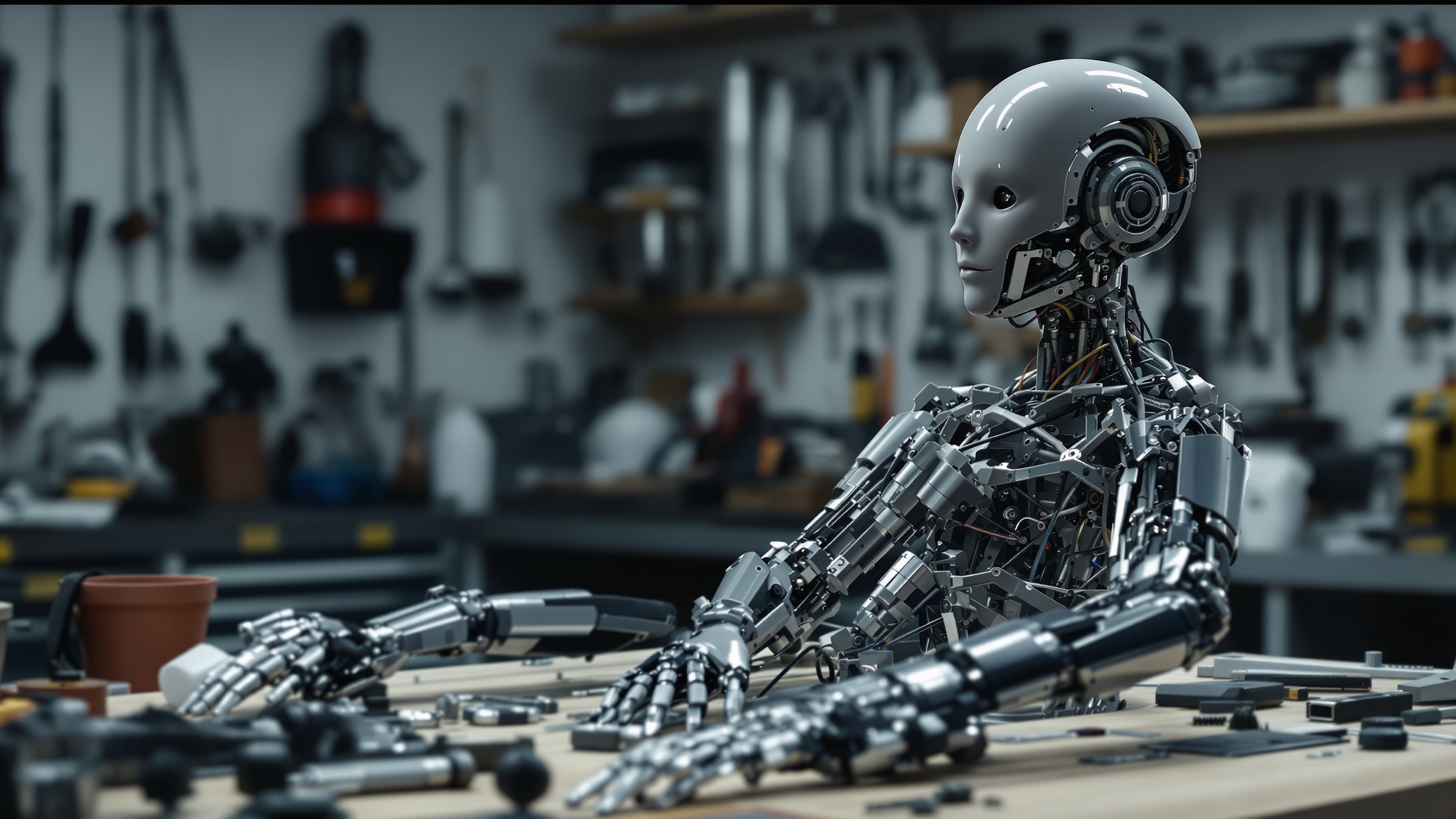
Animatronics sits at the intersection of art, engineering, and storytelling. From lifelike theme park characters that blink and speak to robotic creatures in film that evoke real emotion, animatronics transforms static objects into dynamic, expressive entities. For beginners, the field can feel complex, layered with unfamiliar terminology and technical systems. Yet at its core, animatronics is about one simple idea: creating movement that feels alive. Understanding animatronics fundamentals opens the door to a wide range of disciplines, including robotics, mechanical design, electronics, programming, and creative direction. Whether your goal is to build small hobby projects or to work on large-scale productions, mastering the basics is essential. This guide walks you through the foundational concepts, systems, and principles that define animatronics, providing a structured and accessible entry point into this fascinating field.
A: Begin with a servo motor and a simple microcontroller like Arduino.
A: Servos offer position control; steppers are better for precise rotation.
A: Not for beginners—electric systems are simpler and more accessible.
A: Use easing curves and vary speed instead of constant motion.
A: Silicone is most realistic; latex is cheaper but less durable.
A: Start simple, then scale complexity as skills improve.
A: Basic programming helps, but many beginner kits simplify it.
A: Use regulated power supplies matched to your components.
A: Poor timing control, low-quality servos, or mechanical resistance.
A: Regularly inspect joints, wiring, and lubricate moving parts.
What Is Animatronics?
Animatronics refers to the use of mechanical and electronic systems to create lifelike movement in objects, typically designed to resemble humans, animals, or fictional creatures. Unlike simple robotics, animatronics emphasizes realism, expression, and storytelling. The goal is not just movement, but believable motion that conveys personality, emotion, and intent.
The term itself is a blend of “animation” and “electronics,” highlighting the combination of artistic animation principles with technical engineering. Animatronic systems can range from simple mechanisms, like a moving jaw, to highly complex figures capable of synchronized facial expressions, speech, and full-body motion.
Historically, animatronics gained prominence in the mid-20th century through theme parks and film production. Today, it extends into museums, retail displays, education, and even medical simulation, making it a versatile and evolving discipline.
The Core Components of an Animatronic System
At a fundamental level, every animatronic system is built from several key components that work together to produce motion. Understanding these elements is crucial for beginners.
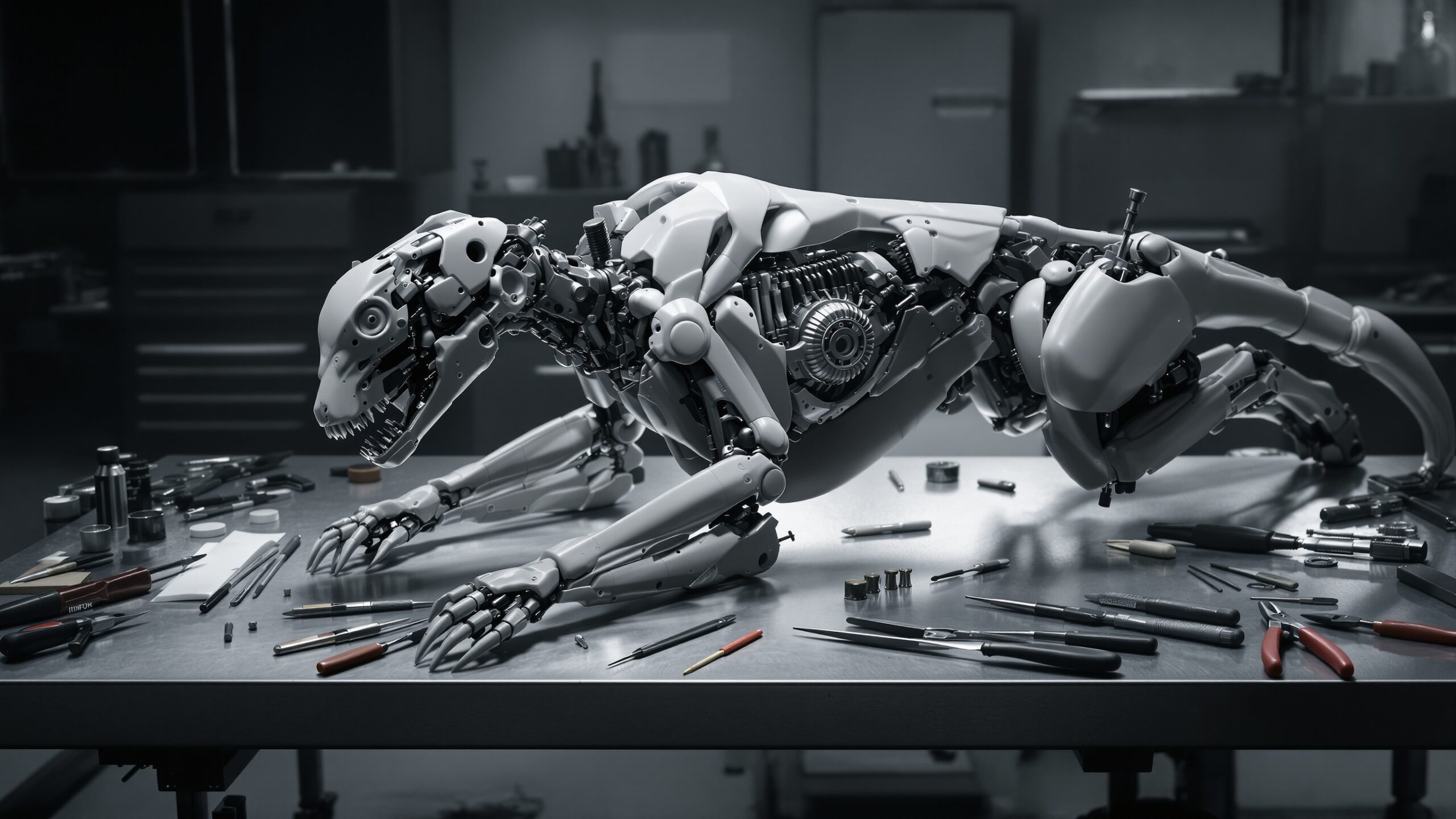
The mechanical structure forms the physical body of the animatronic. This includes the frame, joints, linkages, and any moving parts. The structure must be strong enough to support movement while remaining lightweight and flexible. Materials such as aluminum, plastics, and composites are commonly used.
Actuators are the driving force behind movement. These devices convert energy into motion. Common types include servo motors, DC motors, stepper motors, and pneumatic or hydraulic systems. Each actuator type has its own advantages, with servos being particularly popular for beginners due to their precision and ease of control.
Control systems act as the brain of the animatronic. These systems send signals to actuators, dictating how and when movement occurs. Microcontrollers like Arduino or Raspberry Pi are widely used in beginner projects, offering programmable control over multiple components.
Power systems supply the necessary energy to operate the animatronic. Depending on the design, this may involve batteries, power adapters, or dedicated power supplies. Proper power management is critical to ensure consistent performance and safety.
Finally, the outer shell or “skin” defines the visual appearance. This layer can be made from foam, silicone, latex, or fabric, depending on the desired realism. The skin must be flexible enough to move naturally while maintaining durability.
Understanding Motion Principles
Motion is the defining characteristic of animatronics, and achieving realistic movement requires more than simply making parts move. It involves applying principles borrowed from animation, physics, and human observation.
One key principle is smoothness. Natural movement rarely occurs in abrupt, jerky motions. Instead, it follows gradual acceleration and deceleration. This concept, often referred to as easing, helps create lifelike motion that feels organic rather than mechanical.
Timing is equally important. The speed and rhythm of movement can dramatically affect how an animatronic is perceived. For example, slow, deliberate movements can convey calmness or age, while rapid motions may suggest excitement or urgency.
Range of motion must also be carefully considered. Joints and mechanisms should mimic the natural limits of the subject being replicated. Overextension or unnatural angles can break the illusion of realism.
Another essential concept is synchronization. In advanced animatronics, multiple movements must occur in harmony. Facial expressions, body gestures, and audio cues often need to align perfectly to create a cohesive performance.
Types of Actuators and Their Applications
Actuators are at the heart of any animatronic system, and choosing the right type is one of the first major decisions a beginner will face.
Servo motors are the most common starting point. They offer precise control over position and are relatively easy to integrate with microcontrollers. Servos are ideal for applications like moving eyes, jaws, or small limbs.
DC motors provide continuous rotation and are often used for larger movements or mechanisms that require constant motion. However, they require additional components, such as motor drivers, to control speed and direction effectively.
Stepper motors allow for highly precise, incremental movement. They are often used in applications where exact positioning is critical, such as animatronic displays with repetitive, programmed sequences.
Pneumatic and hydraulic systems use air or fluid pressure to generate movement. These systems are capable of producing powerful and smooth motion, making them suitable for large-scale animatronics. However, they are more complex and typically not recommended for beginners.
The Role of Electronics and Control Systems
Electronics form the communication network of an animatronic system. They connect the control unit to the actuators, sensors, and power sources, enabling coordinated operation.
Microcontrollers are the most common control platforms for beginners. Devices like Arduino allow users to write code that defines how each component behaves. These programs can control timing, speed, and synchronization, giving creators precise control over movement.
Sensors add interactivity to animatronics. These components detect environmental inputs such as motion, light, sound, or touch. For example, a proximity sensor can trigger an animatronic to move when someone approaches, creating a more engaging experience.
Wiring and circuit design are also critical aspects. Proper connections ensure that signals are transmitted reliably and that components receive the correct voltage. Beginners must learn to read basic circuit diagrams and understand concepts like voltage, current, and resistance.
Materials and Fabrication Techniques
The materials used in animatronics play a significant role in both performance and appearance. Beginners should focus on materials that are easy to work with while still providing durability.
Foam is commonly used for prototyping and creating lightweight structures. It is easy to cut and shape, making it ideal for early-stage designs. Plastics, such as acrylic and PVC, offer greater strength and are often used for structural components.
Silicone and latex are popular choices for creating realistic skin. These materials can replicate the texture and flexibility of organic surfaces, enhancing the visual appeal of animatronics. However, working with them requires additional skill and preparation.
Fabrication techniques vary depending on the complexity of the project. Basic tools like hand saws, drills, and adhesives are sufficient for simple builds. More advanced projects may involve 3D printing, CNC machining, or mold casting.
Programming Basics for Animatronics
Programming is what brings animatronics to life. Even simple code can create compelling movement when applied correctly.
At a beginner level, programming involves defining sequences of actions. For example, a script might instruct a servo motor to rotate to a specific angle, pause, and then return to its original position. By combining multiple sequences, more complex behaviors can be achieved.
Loops and conditionals are essential programming concepts. Loops allow actions to repeat, while conditionals enable the system to respond to inputs, such as sensor data. These tools form the foundation of interactive animatronics.
Timing functions are particularly important. Delays and intervals control the pacing of movement, ensuring that actions occur in a natural and believable manner. As skills progress, more advanced techniques, such as motion curves and real-time control, can be explored.
Safety and Reliability Considerations
Safety is a critical aspect of animatronics, especially as systems become more powerful and complex. Beginners should prioritize safe design practices from the outset.
Electrical safety involves using appropriate voltage levels, securing connections, and avoiding short circuits. Components should be rated for the intended load, and protective measures, such as fuses, should be considered.
Mechanical safety focuses on preventing injuries caused by moving parts. Sharp edges, pinch points, and high-speed mechanisms should be carefully managed. Enclosures and protective coverings can help reduce risk.
Reliability is equally important. Animatronics often operate repeatedly over long periods, so components must be durable and well-maintained. Regular testing and inspection can help identify potential issues before they lead to failure.
Bringing It All Together: Building Your First Animatronic
For beginners, the best way to learn animatronics is through hands-on projects. Starting small allows you to understand each component without becoming overwhelmed.
A simple project might involve creating a moving head or a basic creature with a single joint. Using a servo motor, a microcontroller, and a lightweight structure, you can build a functional animatronic that demonstrates core principles.
As you gain confidence, you can expand your projects to include additional actuators, sensors, and more complex programming. Each iteration builds your understanding and brings you closer to more advanced designs.
The Future of Animatronics
Animatronics continues to evolve, driven by advancements in technology and creative demand. Innovations in artificial intelligence, materials science, and robotics are pushing the boundaries of what is possible.
Modern animatronics increasingly incorporate machine learning, allowing systems to adapt and respond in more sophisticated ways. New materials are enabling more realistic textures and movements, while improved electronics are making systems more compact and efficient.
For beginners entering the field today, this evolution presents exciting opportunities. The tools and resources available are more accessible than ever, making it possible to learn, experiment, and innovate without the need for large-scale infrastructure.
Conclusion: Starting Your Animatronics Journey
Animatronics is a multidisciplinary field that rewards curiosity, creativity, and technical skill. By understanding the fundamentals—mechanics, motion, electronics, and programming—you can begin to create systems that move, respond, and tell stories.
The journey from beginner to expert is built on experimentation and iteration. Each project, no matter how simple, contributes to your understanding and opens new possibilities. With a solid foundation and a willingness to learn, you can transform ideas into dynamic, lifelike creations that captivate and inspire.
As you move forward, focus on building practical experience, refining your techniques, and exploring new technologies. Animatronics is not just about machines; it is about bringing imagination to life through motion and design.