
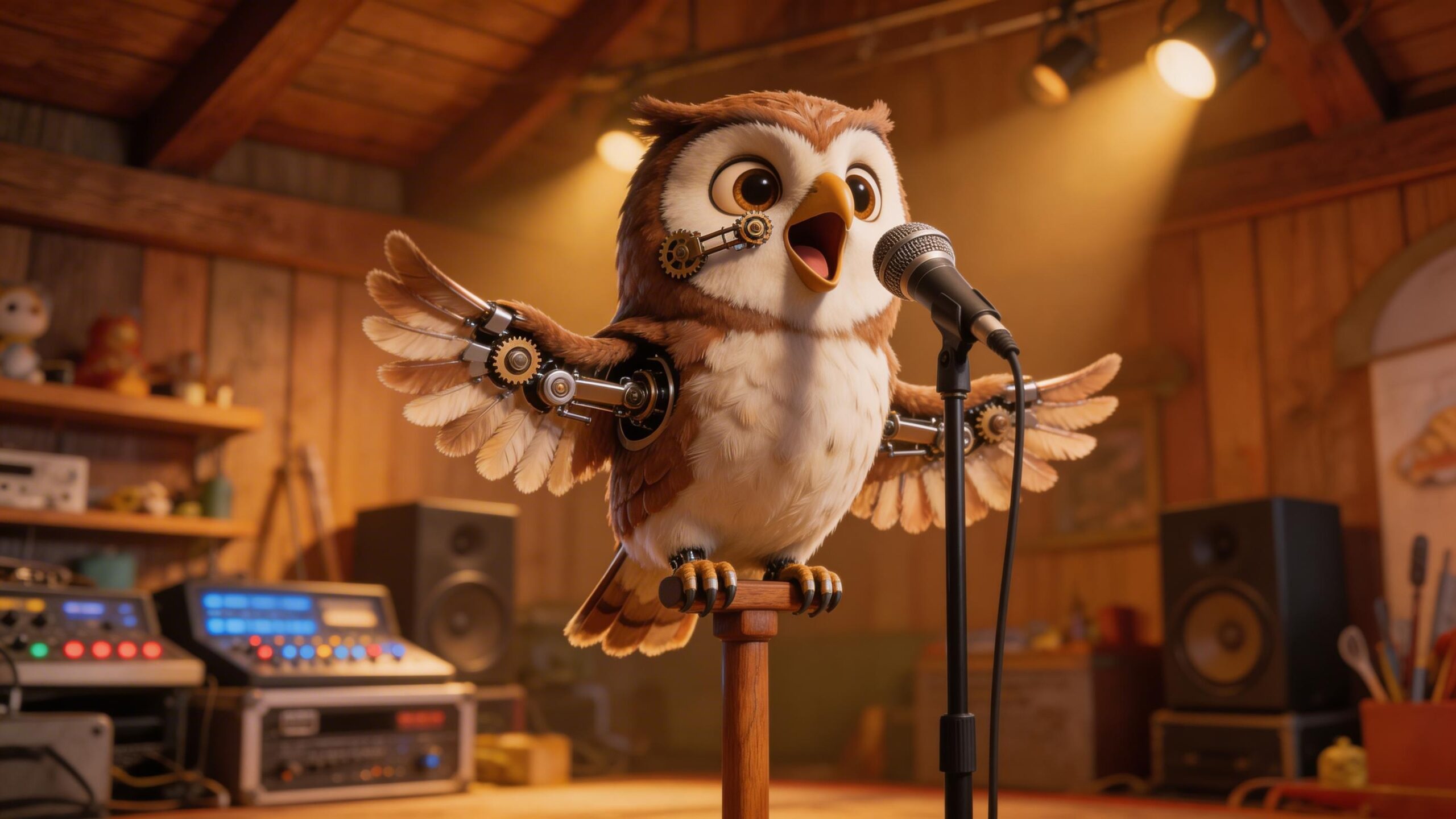
Sensor Integration is where animatronics begin to truly “feel” the world around them. Within the Control and Software hub of Animatronics Street, this subcategory explores the technologies that allow animated characters, creatures, and interactive props to respond intelligently to motion, sound, light, touch, and environmental changes. Modern animatronic systems rely on a wide range of sensors—from infrared and ultrasonic detectors to pressure pads, accelerometers, cameras, and proximity sensors—to trigger lifelike movements and perfectly timed reactions. These components feed critical data into controllers, microprocessors, and show-control software, enabling smooth synchronization between physical motion, lighting effects, and audio playback. Whether used in theme parks, museum exhibits, film productions, haunted attractions, or robotics labs, sensor integration is the backbone of responsive animatronic design. The articles in this section dive deep into how sensors communicate with control boards, how triggers are programmed, and how engineers fine-tune responsiveness to create believable performances. If you want to understand how animatronics detect visitors, react to their environment, and transform passive displays into dynamic interactive experiences, Sensor Integration is where the engineering magic begins.
A: Infrared or ultrasonic sensors are common due to reliability and range.
A: Encoders or limit switches provide position feedback.
A: Yes, a single sensor input can activate multiple programmed events.
A: Electrical noise, poor calibration, or environmental interference.
A: Yes—computer vision systems can track guests and gestures.
A: Capacitive touch sensors are widely used for safe interaction.
A: Typically between 2 cm and 4–5 meters depending on the model.
A: Not if polling rates and event handling are optimized.
A: Yes, many installations use wireless sensor nodes for flexibility.
A: Proper calibration, shielding, and redundancy.