
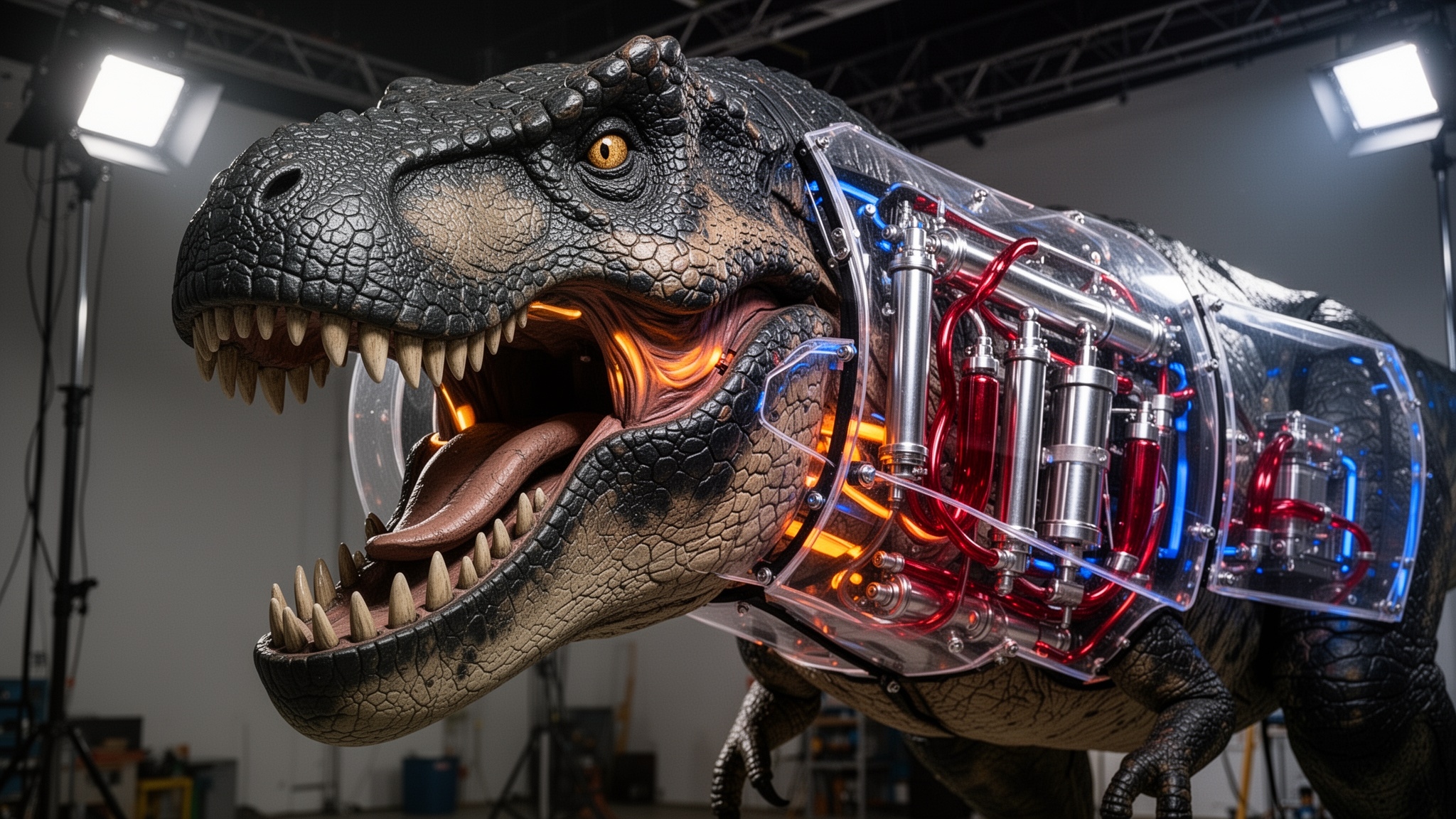
Hydraulic systems power some of the most lifelike, forceful, and precise movements in modern animatronics, transforming static builds into dynamic mechanical performers. In animatronic engineering, hydraulics use pressurized fluid, cylinders, valves, and pumps to generate smooth, high-torque motion capable of lifting heavy structures, driving realistic limb articulation, and delivering cinematic special-effects action. From theme park giants and film creatures to industrial robotic figures, these systems are prized for their strength-to-size ratio, responsive control, and durability under continuous loads. This section explores how hydraulic actuators work, how designers integrate them into motion rigs, and how pressure regulation, flow rate, and fluid selection affect performance, safety, and realism. You’ll also discover comparisons with pneumatic and electric systems, maintenance best practices, and emerging innovations improving efficiency and precision. Whether you’re a builder, engineer, or enthusiast, this hub provides expert insights, technical guides, and deep dives into the hydraulic technologies that drive next-level animatronic motion. Learn the principles professionals rely on to design powerful, reliable, and expressive motion systems that bring engineered characters convincingly to life in action today.
A: Likely causes include restricted flow, low fluid levels, or excessive load.
A: Air in the system or contaminated fluid.
A: Based on hours and oil analysis results, not just time.
A: Possible internal leakage or worn pump components.
A: Only if manufacturer approves compatibility.
A: Contamination—particles cause most failures.
A: Cavitation or air ingestion is common.
A: Not when properly sized; they protect efficiency.
A: Typically above 3,000 PSI in industrial systems.
A: Maintain fluid cleanliness, proper temperature, and correct pressure settings.