

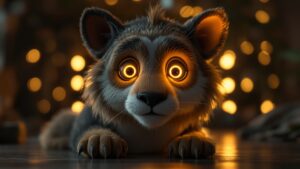
Lighting for Characters
Lighting for Characters is where animatronics truly come alive, transforming mechanical builds into expressive, believable personalities that captivate audiences at first glance. Within animatronics design and character creation, lighting plays a critical role in shaping mood, directing attention, and enhancing emotional connection—whether through glowing eyes, subtle facial highlights, or dramatic accent lighting that emphasizes form and motion. This subcategory explores how strategic illumination elevates character realism, supports storytelling, and reinforces
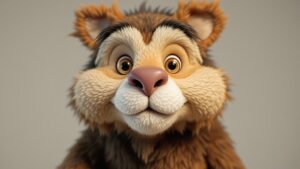
Texture and Surface Detail
Texture and Surface Detail is where animatronic characters truly come to life, transforming mechanical builds into believable, expressive creations that feel tactile, dimensional, and emotionally engaging. Within character and creature design, surface treatment defines how audiences perceive age, realism, personality, and mood—whether through weathered skin textures, layered paint finishes, sculpted wrinkles, fur simulations, or carefully aged props. This subcategory on Animatronics Street explores the techniques, materials, and artistic decisions that
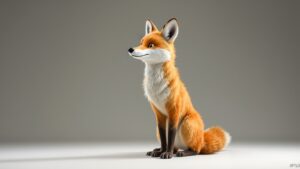
Proportion and Silhouette
Proportion and Silhouette sit at the heart of believable animatronic character design, shaping how a figure is read long before it ever moves. In animatronics, strong silhouettes communicate personality, scale, and intent at a glance, whether a character is whimsical, imposing, lifelike, or stylized. This subcategory explores how body ratios, limb lengths, mass distribution, and negative space influence visual clarity, emotional impact, and audience recognition from any distance or angle.
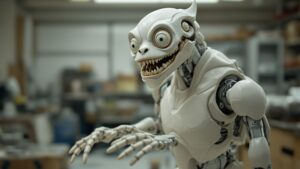
Sculpting for Motion
Sculpting for Motion is where static form gives way to living performance, transforming raw shapes into characters designed to move, emote, and endure the demands of mechanical animation. Within Animatronics Street’s Design and Character Creation category, this subcategory explores the critical intersection of sculptural artistry and engineered motion, revealing how thoughtful form-building directly influences range of movement, realism, and long-term reliability. From muscle flow and joint clearance to weight distribution
Motion Illusion Design
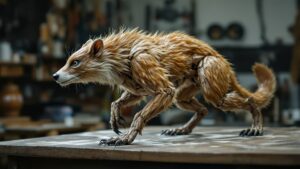
Motion Illusion Design is where perception becomes the ultimate engineering tool, transforming static materials and mechanical limits into characters that feel alive, expressive, and emotionally convincing. Within animatronics, illusion-driven motion is often more powerful than literal movement—using timing, rhythm, asymmetry, and visual misdirection to suggest weight, intent, and personality far beyond what motors alone can achieve. This subcategory explores how designers shape believable motion through sculpted forms, layered mechanics, controlled
Facial Expression Systems
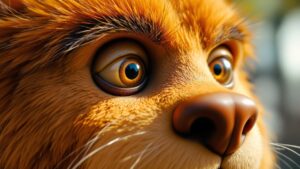
Facial Expression Systems sit at the heart of believable animatronic characters, transforming mechanical structures into emotionally responsive performers that connect with audiences on an instinctive level. Within Animatronics Street, this subcategory explores the art and engineering behind smiles, blinks, frowns, and micro-expressions that bring characters to life through subtle motion and precise control. From servo-driven linkages and cable-actuated mechanisms to soft skins, flexible face masks, and advanced control algorithms, Facial
Human and Humanoid Design
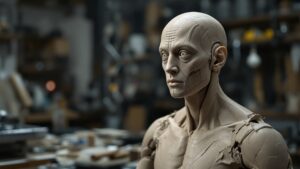
Human and Humanoid Design sits at the heart of animatronics, where engineering precision meets the subtle art of bringing lifelike characters to motion. This subcategory on Animatronics Street explores how designers recreate human form, posture, movement, and expression in mechanical characters that feel believable, expressive, and emotionally engaging. From anatomical proportions and skeletal frameworks to skin systems, facial geometry, and micro-movements that convey personality, human and humanoid animatronics demand an

Creature Design
Creature Design on Animatronics Street dives into the art and engineering behind believable, expressive, and unforgettable non-human characters, where imagination meets mechanical precision. This subcategory explores how designers transform sketches, anatomy studies, and natural references into fully realized creatures that move, react, and emote with convincing realism. From mythical beasts and fantasy animals to stylized mascots and lifelike wildlife, creature design blends sculptural form, surface texture, motion theory, and character
Character Design
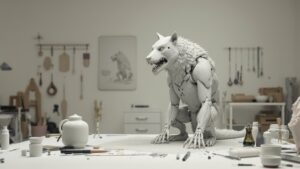
Character Design is where imagination, engineering, and storytelling converge to bring animatronic creations to life. On Animatronics Street, this subcategory explores how compelling characters are conceived, shaped, and refined—from the earliest sketch to a fully realized moving figure with personality, emotion, and presence. Strong character design goes beyond appearance; it balances proportions, silhouette, facial structure, motion language, and mechanical feasibility to ensure a character not only looks believable but performs