
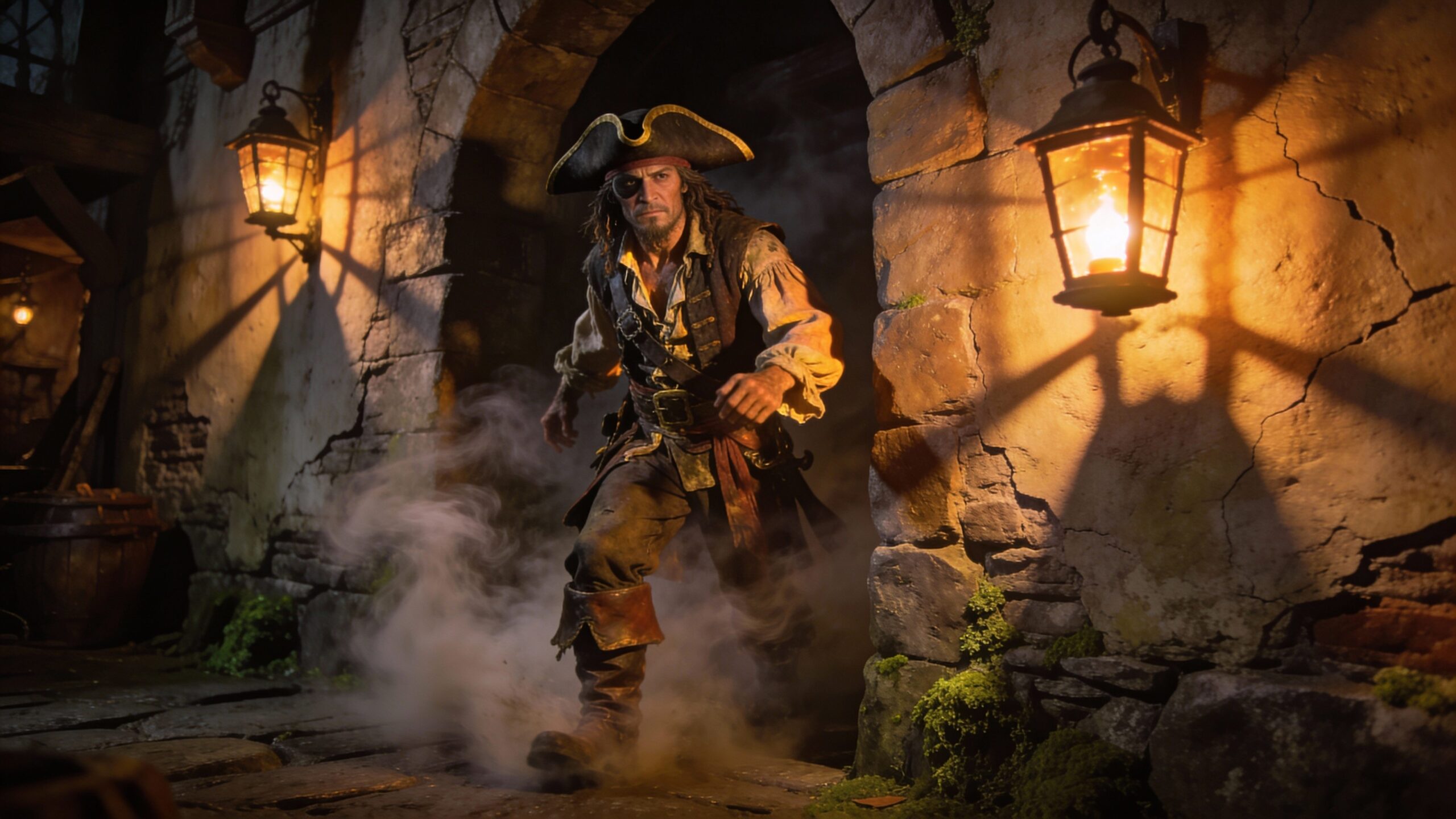
Lighting and Shadow Effects is where animatronics, illusion design, and visual storytelling collide to create unforgettable moments of realism, mystery, and dramatic impact. On Animatronics Street, this subcategory explores how carefully crafted lighting angles, moving shadows, color temperatures, and dynamic illumination transform mechanical figures into lifelike characters and breathtaking scenes. From eerie silhouettes that heighten suspense to soft glows that bring facial expressions to life, lighting is a powerful tool in practical effects and illusions. You’ll discover how designers use spotlighting, backlighting, fog diffusion, programmable LEDs, and theatrical techniques to manipulate perception and guide the viewer’s eye. Whether it’s a haunted attraction, themed environment, film set, or immersive exhibit, shadow play and illumination shape emotion and realism in ways no digital effect can replicate. Our in-depth articles break down the science, artistry, and creative strategies behind stunning visual illusions, helping enthusiasts and professionals alike understand how light becomes an essential performer in every animatronic experience.
A: A mix creates depth and natural contrast.
A: Focused LEDs or spot projectors work best.
A: Use flags, barn doors, or gobos.
A: Yes, larger shadows make objects feel massive.
A: Yes with multiple colored light sources.
A: Strong backlighting with low fill.
A: Rotating cutouts and small motors.
A: Slightly, but improve realism.
A: Low upward lighting.
A: Yes, modern LEDs are powerful and efficient.