
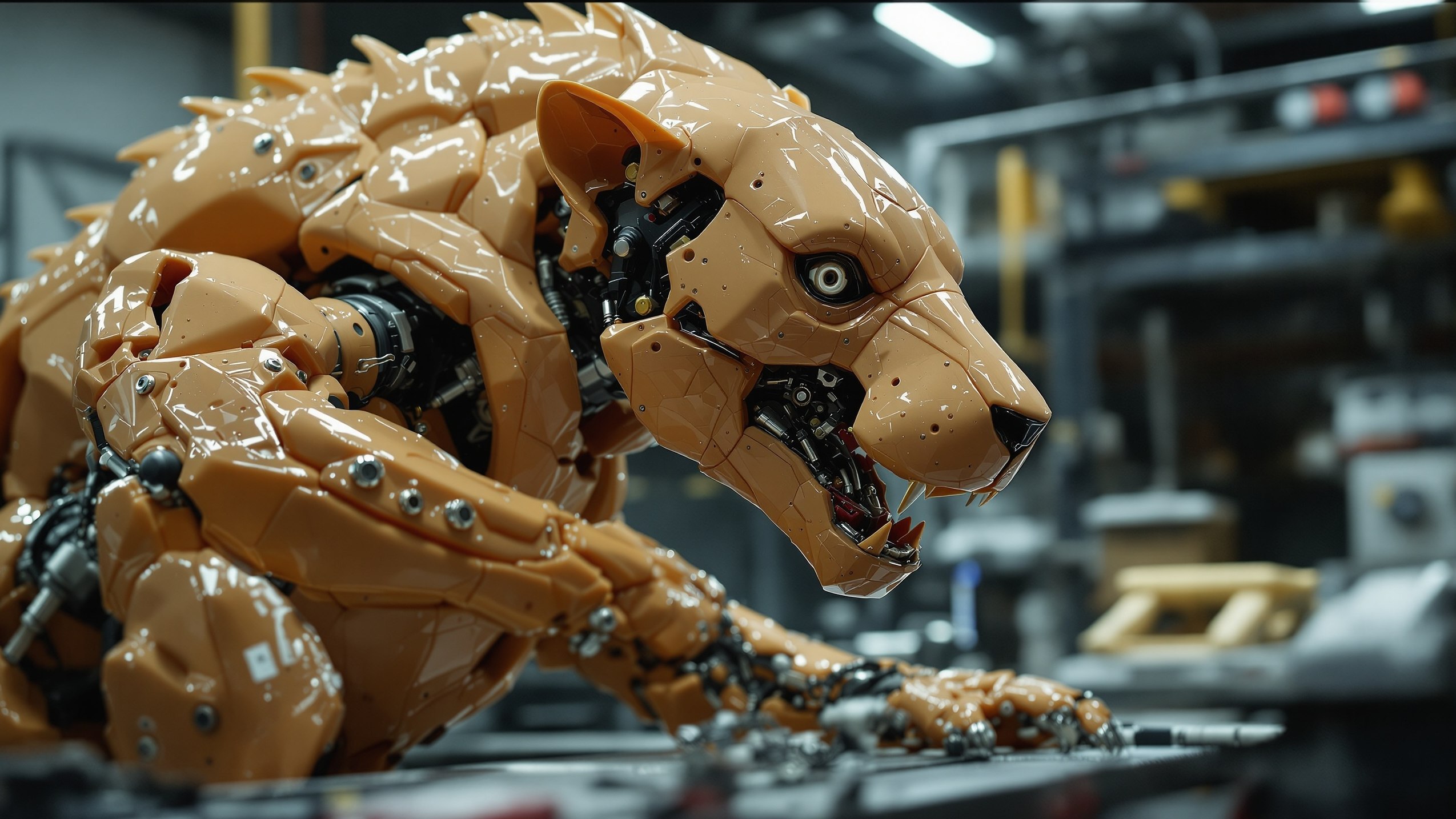
Safety and Compliance sit at the core of every successful animatronic installation, transforming creative ambition into reliable, audience-ready reality. On Animatronics Street, this subcategory explores the critical standards, protocols, and best practices that protect performers, technicians, and guests while ensuring animatronic systems operate flawlessly in real-world environments. From electrical safety and motion control safeguards to structural integrity, fire prevention, and regulatory compliance, these articles dive deep into the unseen frameworks that keep animatronics both spectacular and secure. Whether you are designing lifelike figures for themed attractions, museums, live entertainment, retail displays, or experiential exhibits, understanding safety and compliance is not optional—it is foundational. This gallery brings together expert insights on risk assessment, code adherence, maintenance procedures, emergency shutdown systems, and evolving industry regulations that shape modern animatronics. By balancing innovation with responsibility, safety becomes an enabler rather than a limitation. Explore how thoughtful engineering, rigorous testing, and compliance-driven design elevate animatronic creations from impressive concepts to trusted, long-lasting installations that meet professional standards and exceed audience expectations.
A: Yes—especially in accessible or maintenance areas.
A: Local codes, industry bodies, and site operators.
A: Yes, under controlled conditions.
A: Before opening and on a scheduled basis.
A: No—physical safeguards are essential.
A: Any moving system does.
A: Proper design balances both.
A: Qualified engineers or safety officers.
A: Wear, misalignment, and bypassed safeguards.
A: Absolutely—for audits and liability protection.