
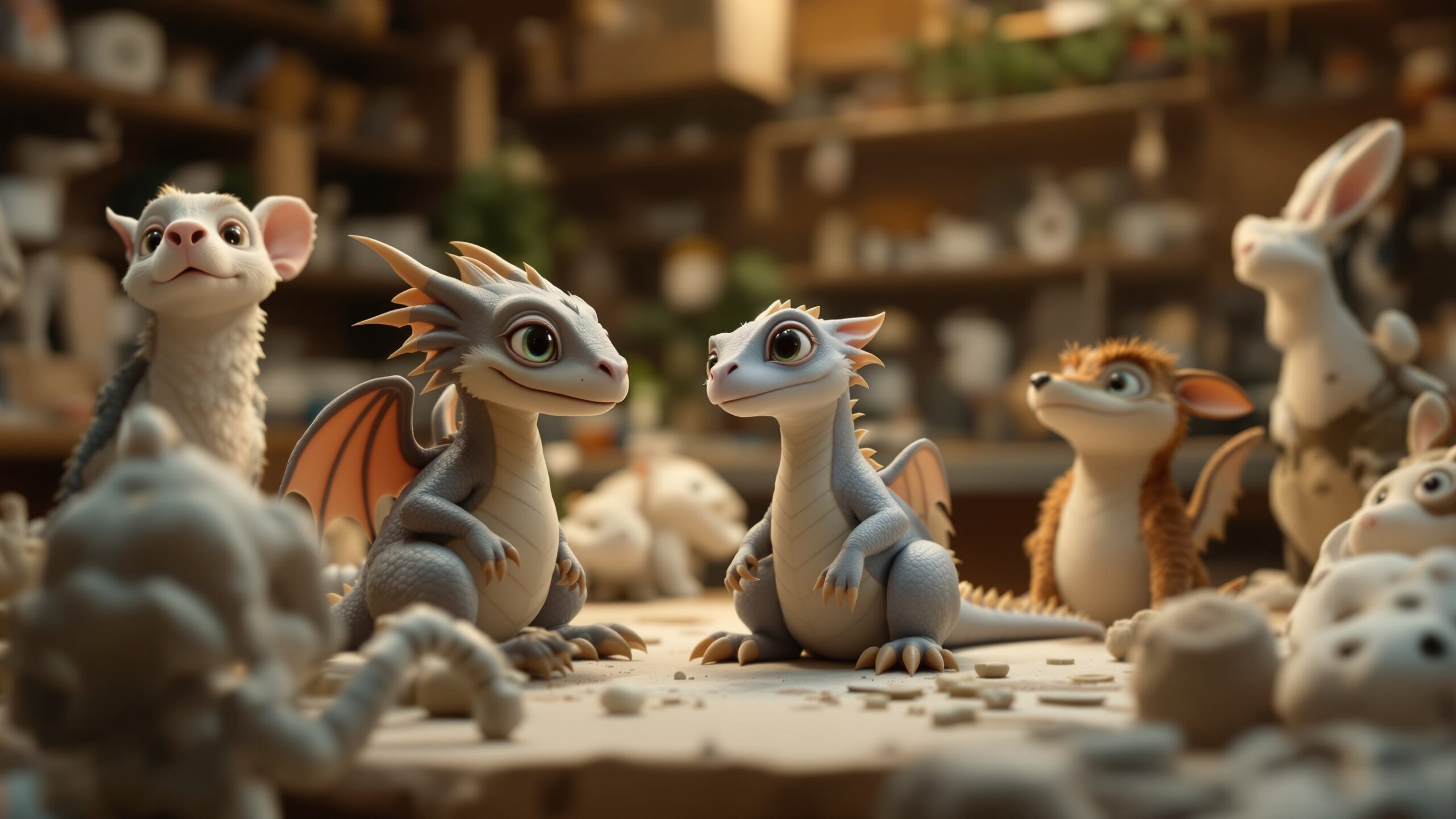
Creature Design on Animatronics Street dives into the art and engineering behind believable, expressive, and unforgettable non-human characters, where imagination meets mechanical precision. This subcategory explores how designers transform sketches, anatomy studies, and natural references into fully realized creatures that move, react, and emote with convincing realism. From mythical beasts and fantasy animals to stylized mascots and lifelike wildlife, creature design blends sculptural form, surface texture, motion theory, and character psychology into a single cohesive build. Articles within this section examine proportions, silhouette language, muscle flow, skin systems, and behavioral cues that give animatronic creatures personality and presence. You’ll also discover how motion mechanics, material choices, and internal structures directly influence how a creature feels on screen, on stage, or in themed environments. Whether the goal is charm, wonder, tension, or awe, effective creature design relies on storytelling as much as engineering. This category is built for designers, fabricators, and creatives who want to understand how creatures are conceived, refined, and brought to life through motion, detail, and deliberate character-driven design.
A: Real enough to be believable, stylized enough to be expressive.
A: Foam for light builds, silicone for realism.
A: Fewer well-used axes outperform excess complexity.
A: Overloaded joints and poor cable routing.
A: Yes, but with variation to avoid repetition.
A: Layer skins and use visual misdirection.
A: Slow-speed rehearsals under load.
A: Yes, with proper channel isolation.
A: If you hear it, the audience will too.
A: When viewers forget it’s a machine.