
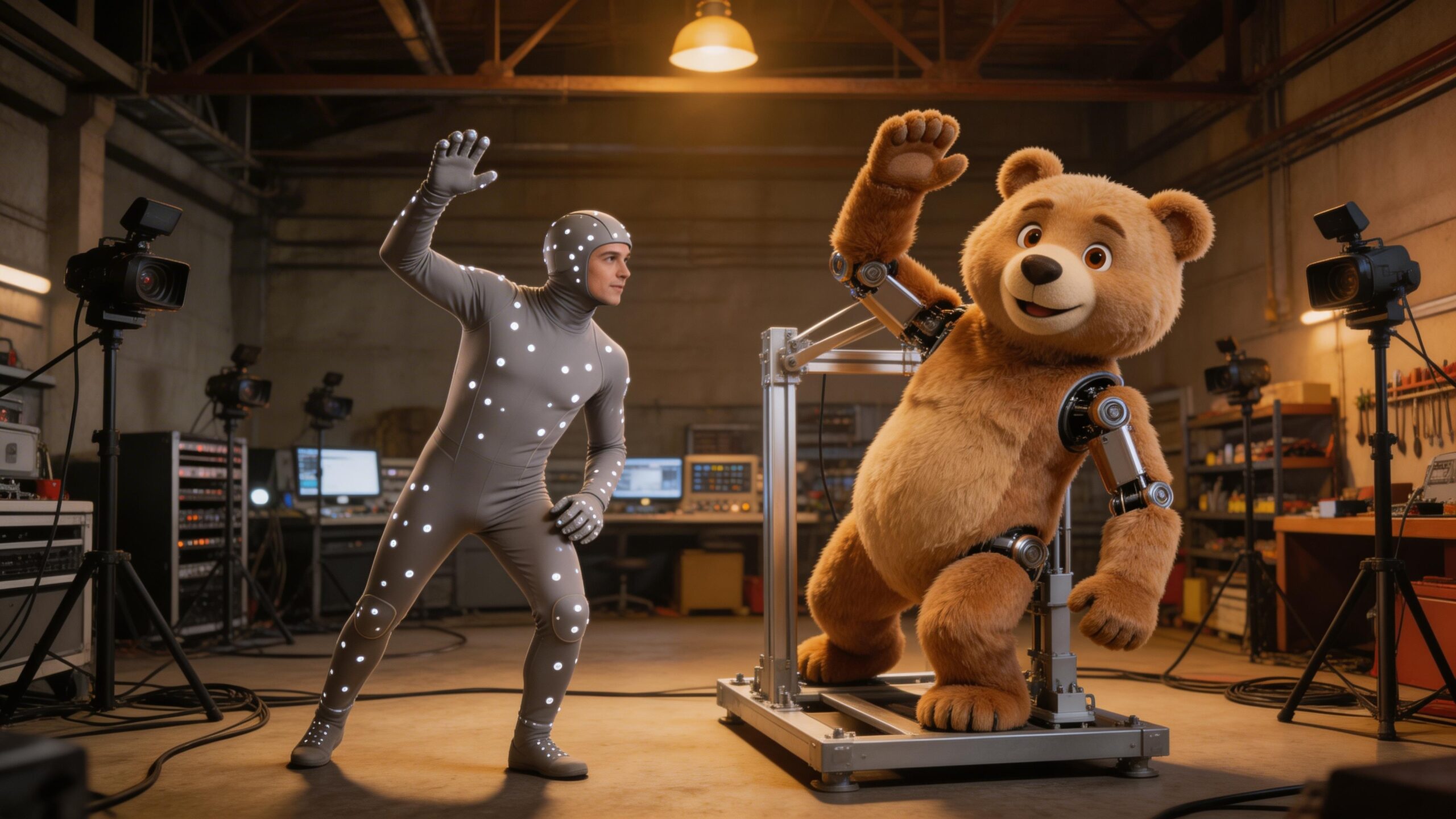
Motion capture systems are transforming the way animatronics move, react, and come to life. Within the Control and Software world of Animatronics Street, motion capture technology bridges the gap between human performance and mechanical motion, allowing creators to record real movements and translate them into lifelike robotic actions. From Hollywood creature effects and theme park characters to experimental robotics and advanced show control, motion capture systems provide a powerful tool for designing expressive, realistic motion. Using sensors, cameras, tracking markers, and specialized software, engineers and animatronic designers can capture subtle gestures, complex body movements, and precise timing that would be difficult to program manually. These captured performances can then be refined, edited, and mapped directly onto animatronic rigs or digital control systems. On this page, you’ll explore in-depth guides, technical breakdowns, and real-world applications that explain how motion capture works, the hardware and software behind it, and how it integrates with modern animatronic control pipelines. Whether you’re building interactive robots, designing cinematic creatures, or programming theme park characters, motion capture systems open the door to a new level of realism and creative control.
A: Film, video games, animatronics, VR, robotics, and biomechanics research.
A: Optical uses cameras and markers, while inertial relies on wearable motion sensors.
A: Yes, most systems use tight suits with reflective markers or embedded sensors.
A: High-end systems can track movement with sub-millimeter precision.
A: Yes, modern pipelines allow live streaming into game engines or animation software.
A: A technique that records facial expressions and transfers them to digital characters.
A: Professional stages often use 12–40 cameras depending on capture volume.
A: Yes, with specialized gloves or high-resolution tracking systems.
A: No, it’s widely used in gaming, sports science, VR, and robotics research.
A: Tools like Vicon Shōgun, MotionBuilder, Unreal Engine, and Blender handle retargeting and cleanup.