
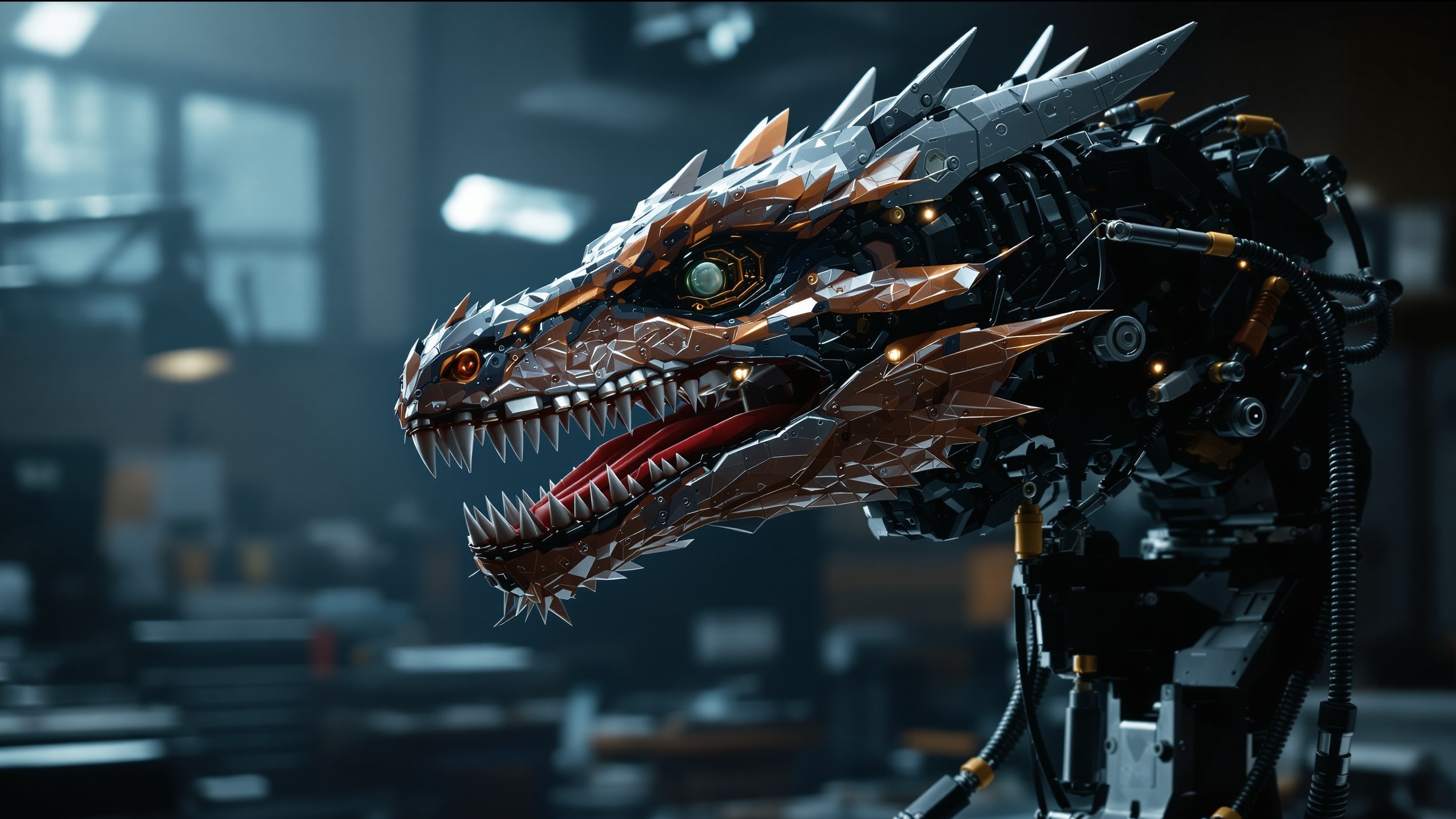
Terminology and Standards form the hidden language that powers the world of animatronics. From early mechanical figures to today’s hyper-realistic characters, every successful build relies on a shared vocabulary and a framework of technical standards that keep motion believable, systems compatible, and projects safe. This subcategory on Animatronics Street explores the essential terms, definitions, classifications, and industry benchmarks that professionals, designers, engineers, and enthusiasts need to understand the craft at a deeper level. Here, complex concepts such as degrees of freedom, actuation methods, control architectures, safety ratings, and fabrication tolerances are broken down into clear, accessible insights. You’ll discover how standardized terminology improves collaboration between artists and engineers, why compliance standards protect both creators and audiences, and how evolving guidelines shape the future of themed entertainment, robotics, film, and experiential design. Whether you are decoding spec sheets, reviewing product documentation, or building your first character, mastering animatronics terminology and standards gives you confidence, clarity, and creative control. This gallery of articles serves as a definitive reference hub—bridging imagination and engineering through precise language and trusted standards.
A: ASTM, ISO, and manufacturer-specific ride or show standards.
A: Consistent language reduces build errors and maintenance time.
A: At install, after repairs, and on scheduled intervals.
A: Misalignment, overload, and insufficient lubrication.
A: Electrically yes, mechanically varies by manufacturer.
A: Moving joints and cable connections.
A: To maintain safety and extend component life.
A: Critical show elements often require redundancy.
A: Through logs, indicators, and sensor feedback.
A: Smooth, repeatable, quiet, and within safety limits.