
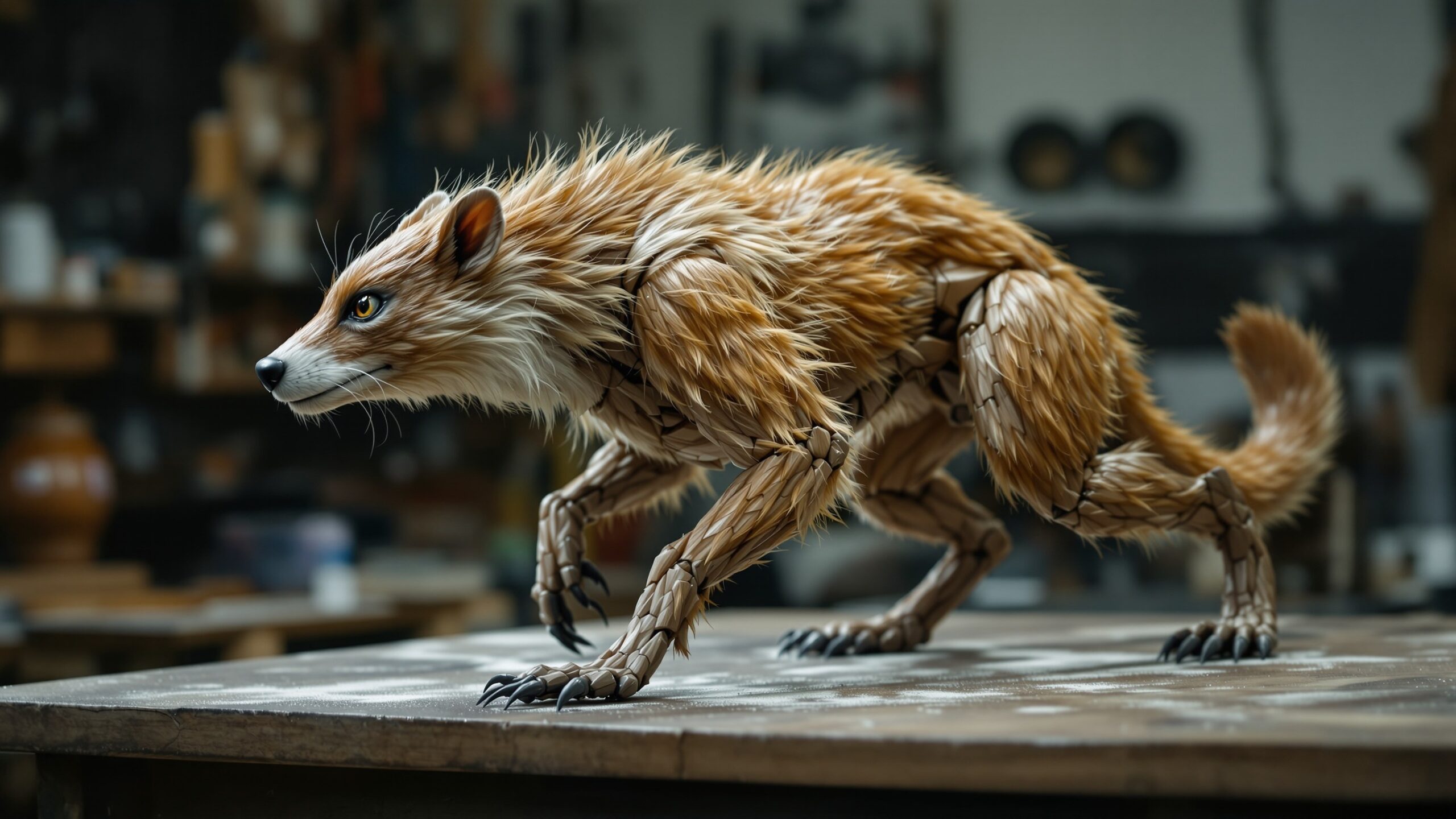
Motion Illusion Design is where perception becomes the ultimate engineering tool, transforming static materials and mechanical limits into characters that feel alive, expressive, and emotionally convincing. Within animatronics, illusion-driven motion is often more powerful than literal movement—using timing, rhythm, asymmetry, and visual misdirection to suggest weight, intent, and personality far beyond what motors alone can achieve. This subcategory explores how designers shape believable motion through sculpted forms, layered mechanics, controlled constraints, and choreographed transitions that guide the viewer’s eye and imagination. From subtle head tilts that imply thought, to delayed limb follow-through that suggests mass, motion illusion design blends artistry, biomechanics, and psychology into a single discipline. Articles in this section dive into classic animation principles adapted for physical builds, optical tricks used in theme environments, and modern techniques that allow simpler systems to feel complex and organic. Whether crafting creatures, characters, or interactive figures, Motion Illusion Design reveals how smart design choices can elevate animatronics from mechanical devices into compelling, story-driven performers that captivate audiences the moment they move.
A: No—simple systems often create the strongest effects.
A: Timing nearly always outweighs speed.
A: Less than you think—implied motion is powerful.
A: Yes, with careful eye-line and pacing control.
A: Slight variation improves realism.
A: Abrupt starts, stops, and visible mechanics.
A: Absolutely—sound reinforces movement cues.
A: Not always; mechanical timing can suffice.
A: Observe first-time viewers silently.
A: Yes—design neutral fallback poses.