
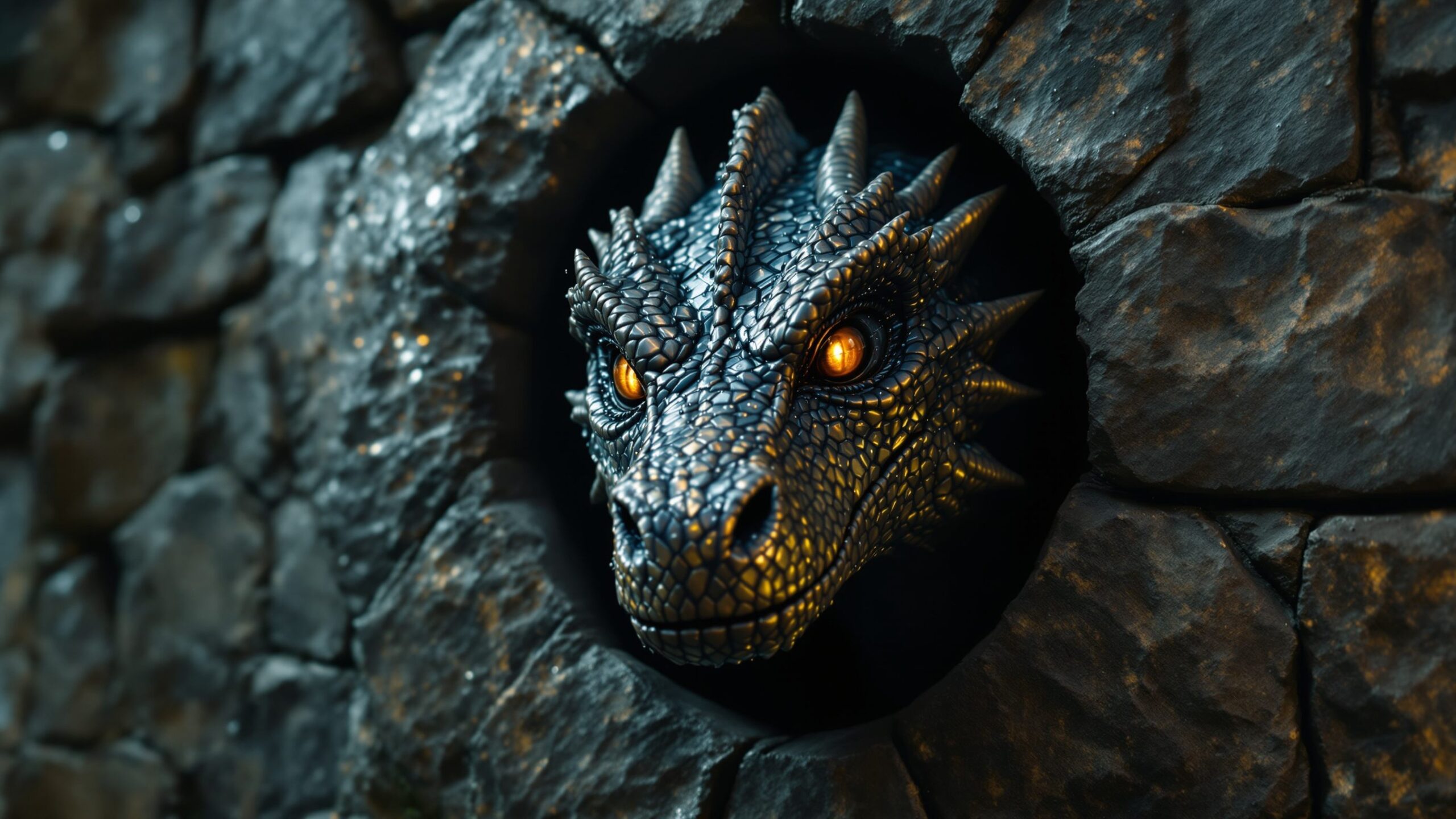
Partial Animatronics brings the magic of movement to life by blending mechanical craftsmanship with creative illusion, creating realistic effects without the need for full-bodied robotic builds. From expressive heads and hands to lifelike creatures emerging from walls, floors, or props, these focused animatronic elements are widely used in theme parks, haunted attractions, film productions, museums, and immersive experiences. Within the world of Practical Effects and Illusions, partial animatronics offer a powerful way to tell stories, evoke emotion, and captivate audiences while remaining cost-effective and highly adaptable. Artists and engineers carefully design these systems using servos, pneumatics, foam latex skins, and advanced control systems to achieve fluid, believable motion. Whether it’s a dragon’s snarling face, a talking statue, or a creature lunging from the shadows, partial animatronics create unforgettable moments that feel truly alive. On Animatronics Street, this subcategory explores the techniques, history, innovations, and creative applications behind partial animatronic builds, offering in-depth insights for enthusiasts, designers, and anyone fascinated by the art of practical motion effects.
A: They cost less and are easier to build and maintain.
A: They can be, but mufflers reduce sound.
A: Yes with proper skin and motion tuning.
A: Thousands of cycles if not overloaded.
A: Basic controller knowledge helps a lot.
A: Very commonly for background characters.
A: Yes with proper cooling and duty cycles.
A: Mostly lubrication and part inspection.
A: Often yes using the same control systems.
A: Mechanical wear on joints and cables.