
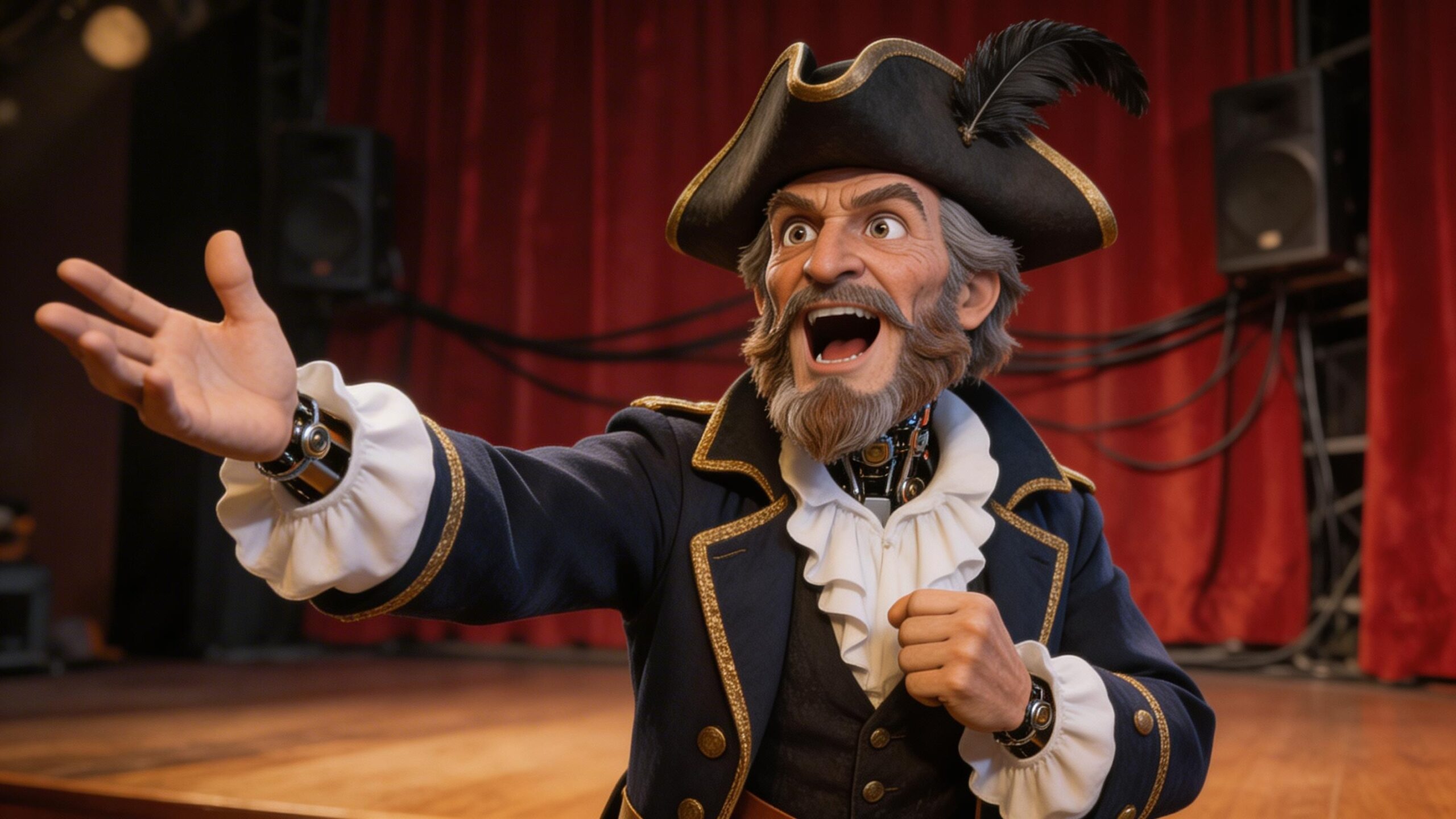
Audio synchronization is the heartbeat of modern animatronics, transforming mechanical motion into immersive storytelling that feels alive. In advanced animatronic systems, perfectly timed audio cues drive everything from subtle facial expressions to dramatic full-body movements, creating characters that speak, react, and perform with uncanny realism. This subcategory on Animatronics Street explores the technology and techniques behind syncing sound with motion control systems, servo motors, and digital show controllers. From timecode-based synchronization and MIDI-triggered animation to waveform cue mapping and programmable motion timelines, audio synchronization bridges the gap between software logic and physical performance. Engineers, designers, and makers rely on these systems to choreograph lifelike performances for theme parks, robotics exhibits, film productions, museums, and interactive installations. Here you’ll discover how audio signals trigger precise mechanical sequences, how controllers interpret sound data to drive actuators, and how modern software tools make complex performances easier to program and refine. Whether you are designing a talking character, building a stage show robot, or learning the fundamentals of animatronic control systems, mastering audio synchronization is essential to bringing motion, voice, and emotion together in perfect harmony.
A: It coordinates sound playback with robotic movement to produce lifelike performances.
A: Motor response time or processing delays can create slight timing offsets.
A: Show control software, MIDI timecode, and digital audio workstations are commonly used.
A: Typically within milliseconds to keep dialogue and movement believable.
A: Yes, some systems generate motion data directly from audio analysis.
A: No, methods vary depending on hardware, software, and show complexity.
A: Timecode keeps multiple systems—audio, lighting, and motion—perfectly aligned.
A: By repeatedly running sequences and adjusting motion timing.
A: Network lag, hardware faults, or audio buffering errors.
A: Precise lip-sync, natural motion curves, and accurate timing with dialogue.