
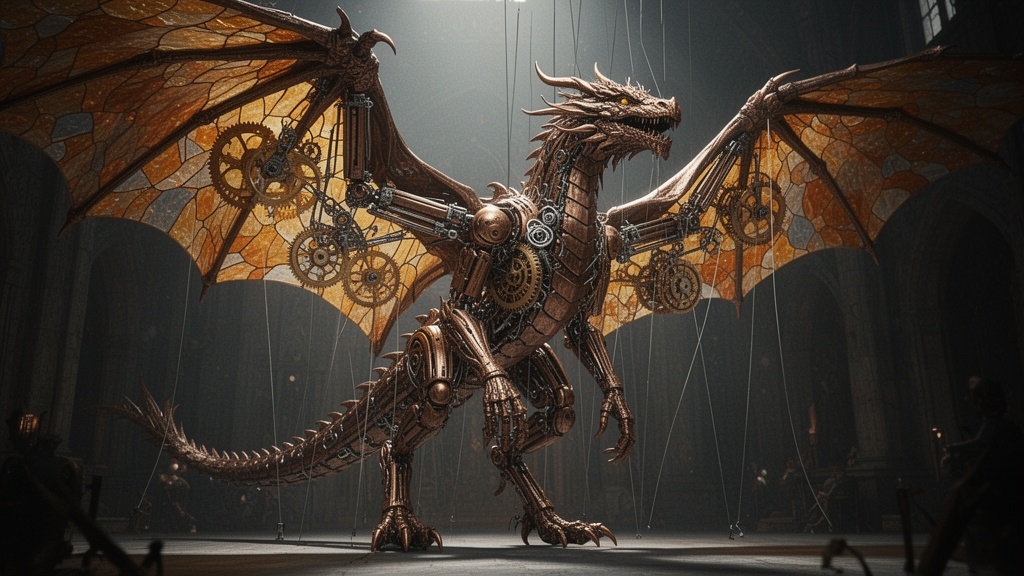
Behind every lifelike animatronic movement lies the hidden force of actuators and drives—the engineering powerhouses that transform energy into motion with precision, speed, and personality. This category explores the technologies that make mechanical systems breathe, blink, grip, rotate, and perform with astonishing realism. From high-torque electric motors and servo systems to pneumatic cylinders, hydraulic pistons, and advanced linear actuators, these motion control components define how machines move and respond. Whether you’re studying drive systems for robotics, designing motion platforms, or building expressive characters, understanding actuator mechanics is essential for accuracy, efficiency, and durability. Our in-depth guides break down drive types, control methods, force calculations, gear reductions, and real-world applications so you can engineer smoother, smarter motion. Dive into expert insights, comparisons, and technical breakdowns that reveal how modern actuation technology powers everything from cinematic animatronics to industrial automation. If motion matters, this is where precision engineering comes alive. Explore innovations, design strategies, and component secrets that turn raw power into controlled movement and transform imaginative concepts into dynamic mechanical reality for creators and engineers alike.
A: Servos offer speed and feedback; steppers excel at simple precise positioning.
A: To increase torque and control while lowering speed.
A: Excess load, long duty cycles, or insufficient cooling.
A: Calculate load force, speed, stroke, and safety margin.
A: Slack between gear teeth causing motion delay.
A: Hydraulics deliver more force; pneumatics are faster and cleaner.
A: They provide precise motion tracking and positioning.
A: Only if rated for 100% duty cycle.
A: Current limits, fuses, and motor controllers.
A: Proper alignment, lubrication, and load matching.