
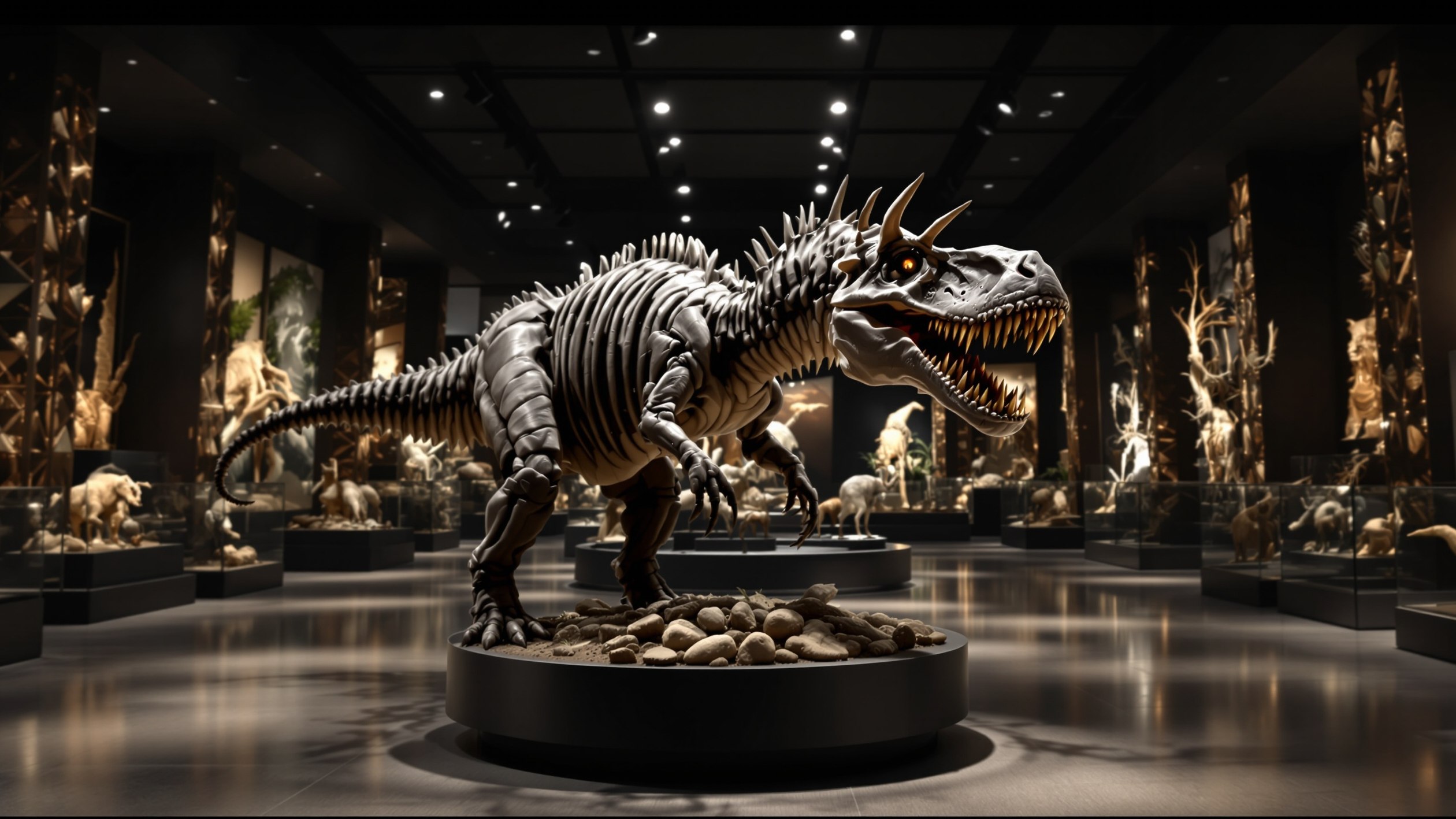
Museum exhibits are where animatronics transcend entertainment and become powerful tools for education, preservation, and immersive storytelling. Within this Animatronics Galleries subcategory on Animatronics Street, Museum Exhibits explores how lifelike figures bring history, science, nature, and culture vividly to life. From roaring prehistoric creatures and ancient civilizations to space exploration and natural history, animatronics allow museums to move beyond static displays and into fully experiential environments that captivate visitors of all ages. These exhibits blend mechanical engineering, artistic craftsmanship, and narrative design to create unforgettable moments of motion, sound, and realism. Subtle facial expressions, synchronized gestures, and carefully programmed movements help transform complex subjects into accessible, memorable experiences. Museums around the world rely on animatronics to spark curiosity, deepen understanding, and create emotional connections that traditional displays often cannot achieve. In this section, you’ll find in-depth articles examining iconic museum installations, behind-the-scenes build techniques, evolving technologies, and the role animatronics play in modern exhibition design. Whether you’re a designer, educator, enthusiast, or curious visitor, Museum Exhibits reveals how animatronics continue to redefine what learning looks and feels like inside the world’s most inspiring museums.
A: Longevity and realism matter more than spectacle.
A: Often 8–12 hours, depending on visitor flow.
A: No, many use timed activation to reduce wear.
A: Typically weekly checks with quarterly deep maintenance.
A: Yes, modular designs allow content refreshes.
A: Systems default to safe, static poses.
A: They are engineered to be nearly silent.
A: Rarely; predictability is preferred.
A: Almost never—clearance and barriers are used.
A: With care, several decades.