
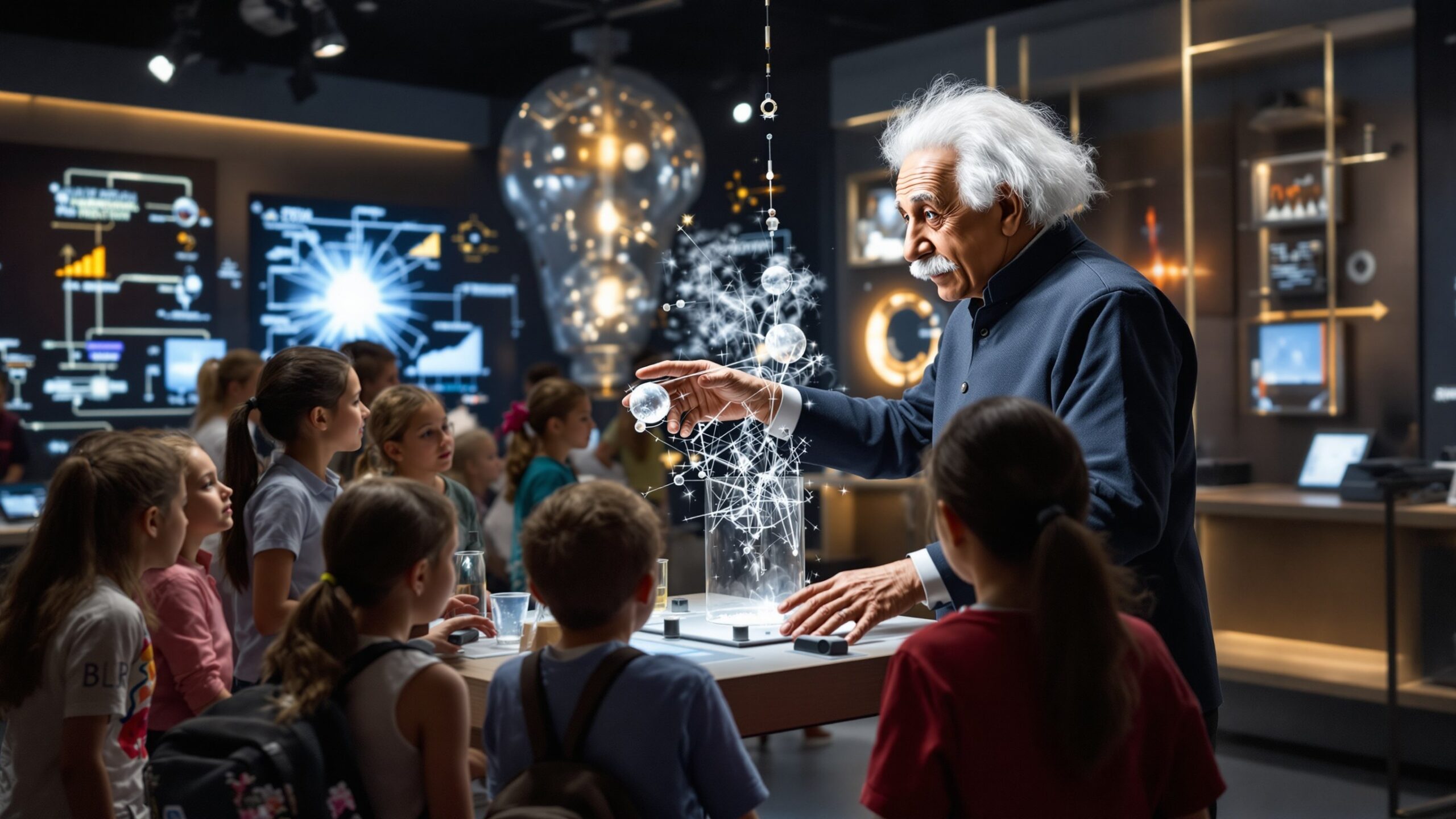
Step into a world where animatronics transform museums and science centers into living, breathing environments of discovery, where static exhibits evolve into dynamic storytelling experiences that captivate visitors of all ages. In today’s most innovative institutions, animatronic systems are at the core of immersive education—powering lifelike historical figures, interactive scientific demonstrations, and responsive environments that react in real time to human presence. From natural history museums showcasing realistic prehistoric creatures to cutting-edge science centers simulating space exploration, robotics, and complex ecosystems, these technologies bridge the gap between imagination and reality. This subcategory explores how animatronics are engineered, integrated, and deployed across museums and science centers to enhance engagement, improve knowledge retention, and create unforgettable visitor journeys. You’ll uncover the mechanics behind motion control, sensory feedback, and synchronized audio-visual systems, as well as the creative strategies that bring exhibits to life. Whether you’re interested in exhibit design, educational innovation, or entertainment engineering, this collection reveals how animatronics are redefining modern learning spaces.
A: Most use standard electrical systems with integrated controllers and safety circuits.
A: Yes, they are widely used to demonstrate concepts and tell stories interactively.
A: They are built with industrial-grade materials to handle constant public use.
A: Show control software synchronizes motion, sound, and lighting.
A: Many use sensors and AI to respond dynamically to user interaction.
A: Regular inspections and scheduled maintenance ensure reliability.
A: Lighting enhances visibility, mood, and storytelling.
A: Yes, many museums rotate or upgrade exhibits to keep content fresh.
A: The integration of motion, sound, visuals, and interactivity.
A: Many exhibits are based on real research and live data feeds.