Animatronics 101: Everything You Need to Know to Get Started
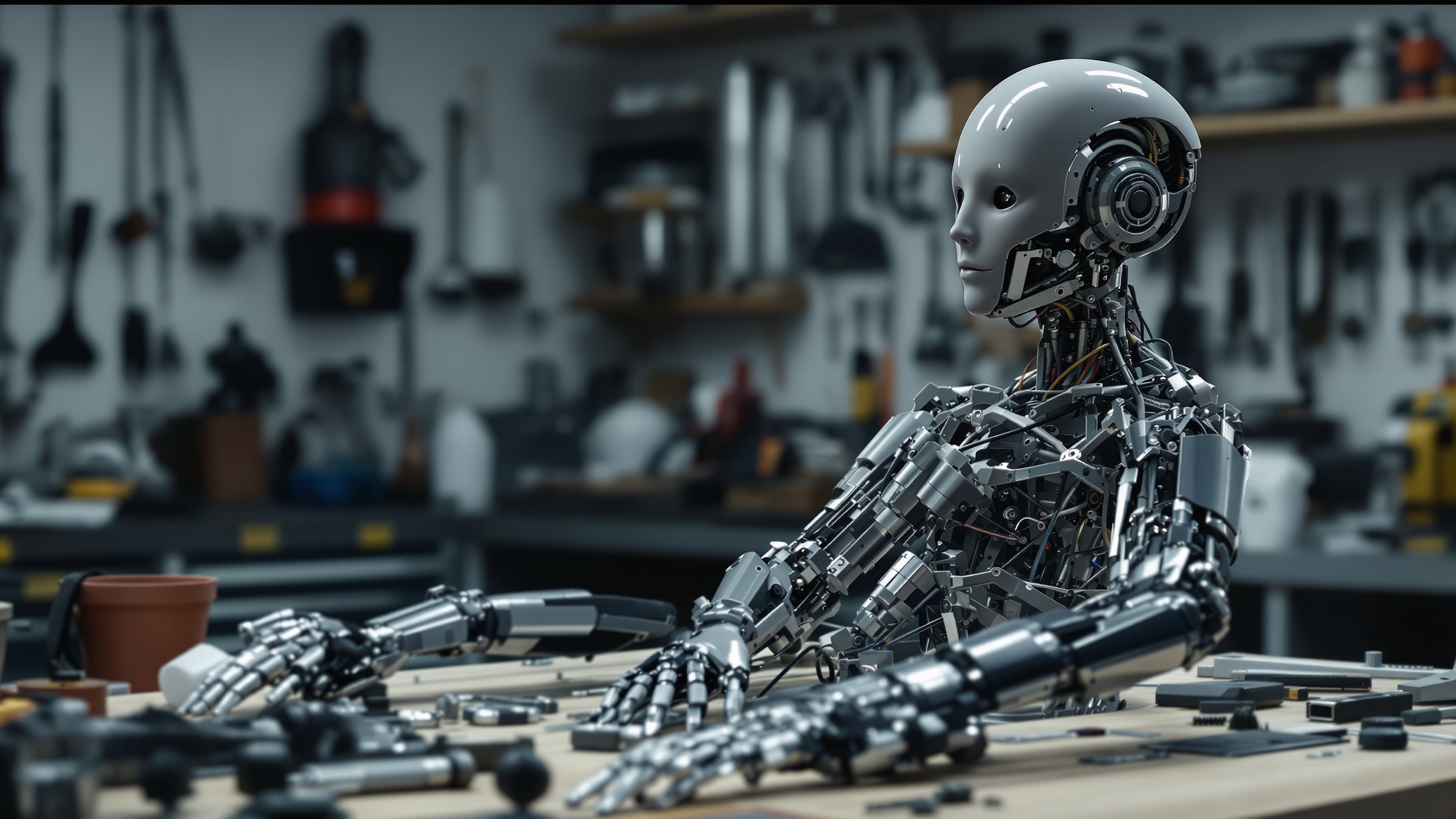
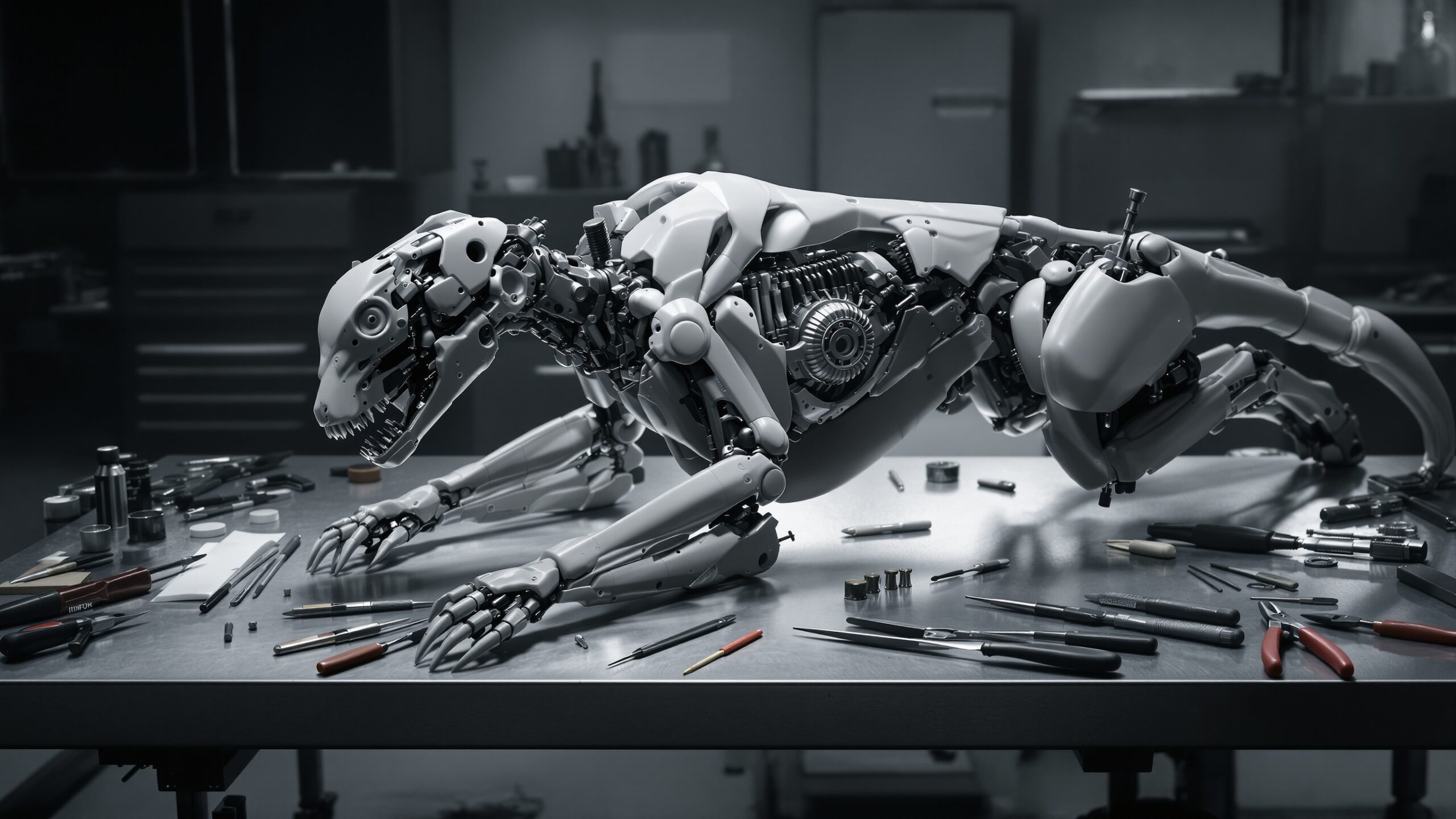
Animatronics sits at the intersection of engineering, storytelling, and illusion. It transforms static objects into lifelike creations capable of movement, expression, and interaction. From theme park attractions and film creatures to museum exhibits and retail displays, animatronics has evolved into a sophisticated discipline that blends mechanics, electronics, and programming into a single, dynamic system. For beginners, the field can feel complex at first glance, but at its core, animatronics is about controlling motion in a believable way. This guide breaks down the fundamentals, giving you a clear, structured path to understanding how animatronics works and how to begin building your own creations.
A: A single-axis prop such as a moving jaw, nodding head, or blinking eye system.
A: Servo is usually easier because it needs less infrastructure and offers simpler control.
A: Basic coding helps a lot, but many starter motions can be learned with simple examples.
A: Common causes include poor linkage geometry, weak power delivery, or abrupt control values.
A: Yes, especially for brackets, housings, and prototypes, but high-stress parts may need stronger materials.
A: Very important; lighter moving parts reduce torque demand, heat, and wear.
A: Overloaded motors, friction, poor duty-cycle planning, or power systems that are undersized.
A: Focus on timing, pause points, easing, and expressive movement rather than just adding more axes.
A: Yes; pinch points, sudden starts, and overloaded electronics can still cause injury or damage.
A: Reliable mechanics, stable power, and repeatable motion before moving to complex skins and synchronized performances.
What Is Animatronics and Why It Matters
Animatronics refers to the use of mechanical and electronic systems to animate objects, typically to simulate living beings. The term itself combines “animation” and “electronics,” reflecting its hybrid nature. Early animatronics systems were relatively simple, relying on cams, gears, and pneumatic systems to create repetitive motions. Today, modern animatronics integrates microcontrollers, sensors, and advanced materials to produce highly realistic movement and behavior.
The importance of animatronics lies in its ability to create immersive experiences. In entertainment, it enhances storytelling by bringing characters to life in physical space. In education, it provides interactive models that make complex concepts tangible. In retail and marketing, it captures attention through motion and novelty. For creators, animatronics offers a uniquely rewarding challenge, combining technical precision with artistic expression.
The Core Components of an Animatronic System
Every animatronic build, regardless of complexity, relies on three foundational subsystems: structure, actuation, and control. Understanding how these elements interact is essential for any beginner.
The structural framework serves as the skeleton of the animatronic. It provides support, defines movement constraints, and determines durability. Materials commonly used include aluminum, steel, plastics, and increasingly, 3D-printed components. The design must balance strength with weight, as heavier builds require more powerful actuators and increased energy consumption.
Actuation is responsible for movement. This is where mechanical energy is converted into motion. Common actuators include servo motors, DC motors, stepper motors, and pneumatic or hydraulic systems. Each type has its own characteristics. Servo motors are popular among beginners due to their precision and ease of control. Pneumatics, on the other hand, are often used in larger installations where smooth, organic motion is required.
The control system acts as the brain of the animatronic. It coordinates all movements and responses. Microcontrollers such as Arduino or Raspberry Pi are widely used in entry-level projects. These devices process inputs, execute programmed sequences, and send signals to actuators. In more advanced systems, control units may incorporate real-time feedback loops and complex behavioral logic.
Understanding Motion: The Language of Animatronics
Motion is the defining characteristic of animatronics, and achieving believable movement requires more than simply making parts move. It involves timing, speed, acceleration, and synchronization. Beginners often underestimate how subtle these factors are in creating realism.
Human and animal movements are rarely linear or mechanical. They involve variations in speed, slight delays, and natural imperfections. Replicating this requires careful programming and mechanical design. For example, a simple head turn becomes more convincing when it accelerates gradually, pauses briefly, and then returns at a slightly different speed.
Degrees of freedom play a critical role in motion design. This term refers to the number of independent movements a system can perform. A basic animatronic head might have two or three degrees of freedom, such as rotation and tilt, while advanced figures can have dozens, allowing for complex expressions and gestures.
Linkages and mechanisms translate actuator motion into meaningful movement. Lever systems, cable-driven setups, and gear assemblies are commonly used to distribute force and achieve the desired motion path. Understanding these mechanical relationships is key to building efficient and responsive systems.
Electronics and Power Systems
Behind every moving component is a network of electronics that manages power distribution and signal flow. Beginners should develop a solid understanding of basic electrical principles to avoid common pitfalls.
Power supply selection is critical. Motors and actuators often require more current than microcontrollers can provide directly, so external power sources are necessary. Voltage compatibility must be carefully managed to prevent damage to components. For instance, a typical servo motor might operate at 5 to 6 volts, while larger systems may require higher voltages and dedicated power regulators.
Wiring and circuit design should prioritize safety and reliability. Proper insulation, secure connections, and organized layouts reduce the risk of short circuits and signal interference. As projects grow in complexity, the use of breadboards transitions to more permanent solutions like soldered connections and custom circuit boards.
Sensors add another layer of functionality by enabling interaction. Motion sensors, proximity sensors, and light sensors allow animatronics to respond to their environment. This transforms a static sequence into a dynamic experience, where the animatronic reacts in real time.
Programming and Control Logic
Programming is where animatronics truly comes to life. It defines how and when movements occur, turning mechanical systems into expressive entities. For beginners, this often starts with simple scripts that control individual motors.
Microcontroller programming typically involves writing code that sends signals to actuators based on predefined conditions. For example, a basic program might instruct a servo motor to rotate between two angles at set intervals. As skills develop, more complex behaviors can be introduced, including conditional logic, loops, and synchronization between multiple components.
Timing is a critical aspect of control logic. Delays, transitions, and coordination between movements must be carefully managed to avoid unnatural or jerky motion. Libraries and frameworks are available to simplify this process, allowing creators to focus on design rather than low-level coding.
Advanced animatronics may incorporate feedback systems, where sensors provide real-time data that influences behavior. This creates a closed-loop system, enabling adaptive responses such as tracking movement or adjusting position based on external input.
Materials and Exterior Design
While the internal systems drive movement, the exterior defines the visual impact of an animatronic. Materials used for skins and coverings must be flexible, durable, and capable of maintaining realism under repeated motion.
Silicone and latex are commonly used for lifelike textures, particularly in character-based animatronics. These materials can be molded and painted to achieve detailed finishes. Foam and fabric are often used for lighter applications, providing a balance between appearance and ease of construction.
The integration of the exterior with the mechanical system requires careful planning. Movement must not be restricted by the outer layer, and attachment points should allow for maintenance and adjustments. Achieving this balance is one of the more challenging aspects of animatronics, as it requires both engineering and artistic considerations.
Tools and Workspace Setup
A well-equipped workspace is essential for building animatronics efficiently and safely. Beginners do not need a fully professional setup, but certain tools are indispensable.
Basic hand tools such as screwdrivers, pliers, and wrenches are necessary for assembly. A soldering iron is crucial for electrical work, enabling secure and reliable connections. For more advanced builds, tools like drills, rotary tools, and 3D printers expand design possibilities significantly.
Workspace organization plays a major role in productivity. Keeping components labeled and accessible reduces errors and speeds up the building process. Safety equipment, including eye protection and proper ventilation, should always be part of the setup.
Common Beginner Projects
Starting with manageable projects helps build confidence and foundational skills. Simple animatronic builds often focus on a single type of movement, such as a rotating head, moving jaw, or blinking eyes.
A basic servo-driven mechanism is an ideal starting point. It introduces key concepts such as wiring, programming, and motion control without overwhelming complexity. From there, projects can gradually incorporate additional degrees of freedom and more sophisticated control systems.
The progression from simple to complex is important. Attempting an advanced build too early can lead to frustration and technical issues. By building incrementally, beginners develop a deeper understanding of each component and how they interact.
Safety and Reliability Considerations
Animatronics involves moving parts, electrical systems, and sometimes high forces, making safety a critical concern. Proper design and testing are essential to prevent accidents and ensure long-term reliability.
Mechanical systems should be designed to avoid pinch points and excessive stress on components. Electrical systems must be properly insulated and grounded to reduce the risk of short circuits or overheating. Regular maintenance, including checking connections and lubricating moving parts, extends the lifespan of the system.
Reliability is particularly important in applications where animatronics operate continuously, such as theme parks or exhibitions. Designing with redundancy and durability in mind reduces downtime and maintenance costs.
The Evolution of Animatronics Technology
Animatronics has undergone significant transformation over the years. Early systems were entirely mechanical, relying on cams and gears to produce repetitive motion. The introduction of electronics brought greater control and flexibility, enabling more complex behaviors.
Today, animatronics is increasingly influenced by advancements in robotics and artificial intelligence. Machine learning algorithms can be used to create adaptive behaviors, while advanced sensors enable more sophisticated interaction. Materials science has also contributed to more realistic skins and lightweight structures.
For beginners, this evolution means greater accessibility. Affordable components, open-source platforms, and online resources have lowered the barrier to entry, making it possible for hobbyists to create impressive systems from home.
Creative Applications and Opportunities
Animatronics is not limited to entertainment. Its applications span multiple industries, offering diverse opportunities for creators.
In education, animatronics can be used to demonstrate scientific principles in an engaging way. In healthcare, it plays a role in therapeutic devices and training simulations. In art, it serves as a medium for kinetic sculptures and interactive installations.
The versatility of animatronics makes it an appealing field for those who enjoy interdisciplinary work. It encourages experimentation and innovation, allowing creators to push the boundaries of what is possible.
Getting Started: A Practical Path Forward
For those ready to begin, the most effective approach is to start small and build progressively. Begin with a clear goal, such as creating a simple moving mechanism. Acquire basic components, including a microcontroller, a servo motor, and a power supply. Learn how to connect and program these elements, focusing on achieving smooth and controlled motion.
As confidence grows, expand your projects to include additional features, such as multiple actuators or sensor-based interaction. Document your progress and learn from each iteration. Online communities and tutorials provide valuable support and inspiration, helping you overcome challenges and refine your skills.
Consistency is key. Animatronics requires patience and attention to detail, but the rewards are significant. Each project builds on the last, gradually transforming beginner knowledge into expertise.
The Future of Your Animatronics Journey
Animatronics is a field that rewards curiosity and persistence. It combines technical rigor with creative freedom, offering endless possibilities for innovation. As technology continues to advance, the potential for more realistic and interactive systems will only grow.
For beginners, the journey begins with understanding the fundamentals and taking the first step into building. With the right approach, even simple projects can evolve into complex and impressive creations. Whether your goal is to create lifelike characters, interactive exhibits, or experimental art, animatronics provides the tools and framework to bring your ideas to life.
By mastering the basics outlined in this guide, you establish a strong foundation for future exploration. Animatronics is not just about machines that move; it is about creating experiences that captivate, engage, and inspire.