Unexpected Industries Using Animatronics Today
Animatronics are often associated with theme parks, haunted attractions, and blockbuster films, but their modern footprint extends far beyond entertainment. Advances in materials science, robotics, artificial intelligence, and motion control have transformed animatronics into versatile tools adopted by industries that would have seemed unlikely just a decade ago. Today’s animatronic systems are quieter, more expressive, more durable, and easier to maintain, making them viable for applications ranging from education and healthcare to retail, museums, and even industrial training. As these lifelike machines continue to blur the boundary between mechanical engineering and emotional storytelling, their role in unexpected industries is expanding rapidly.
A: No, they are widely used across education, retail, healthcare, and more.
A: With maintenance, many operate for decades.
A: Yes, modern systems follow strict safety standards.
A: Software and skins are often refreshable.
A: Costs vary, but modular designs reduce expenses.
A: Most are monitored remotely.
A: Yes, with weather-rated components.
A: No, they are typically used alongside performers.
A: Scaled solutions are increasingly affordable.
A: Retail, museums, healthcare training, and hospitality.
The Modern Evolution of Animatronics
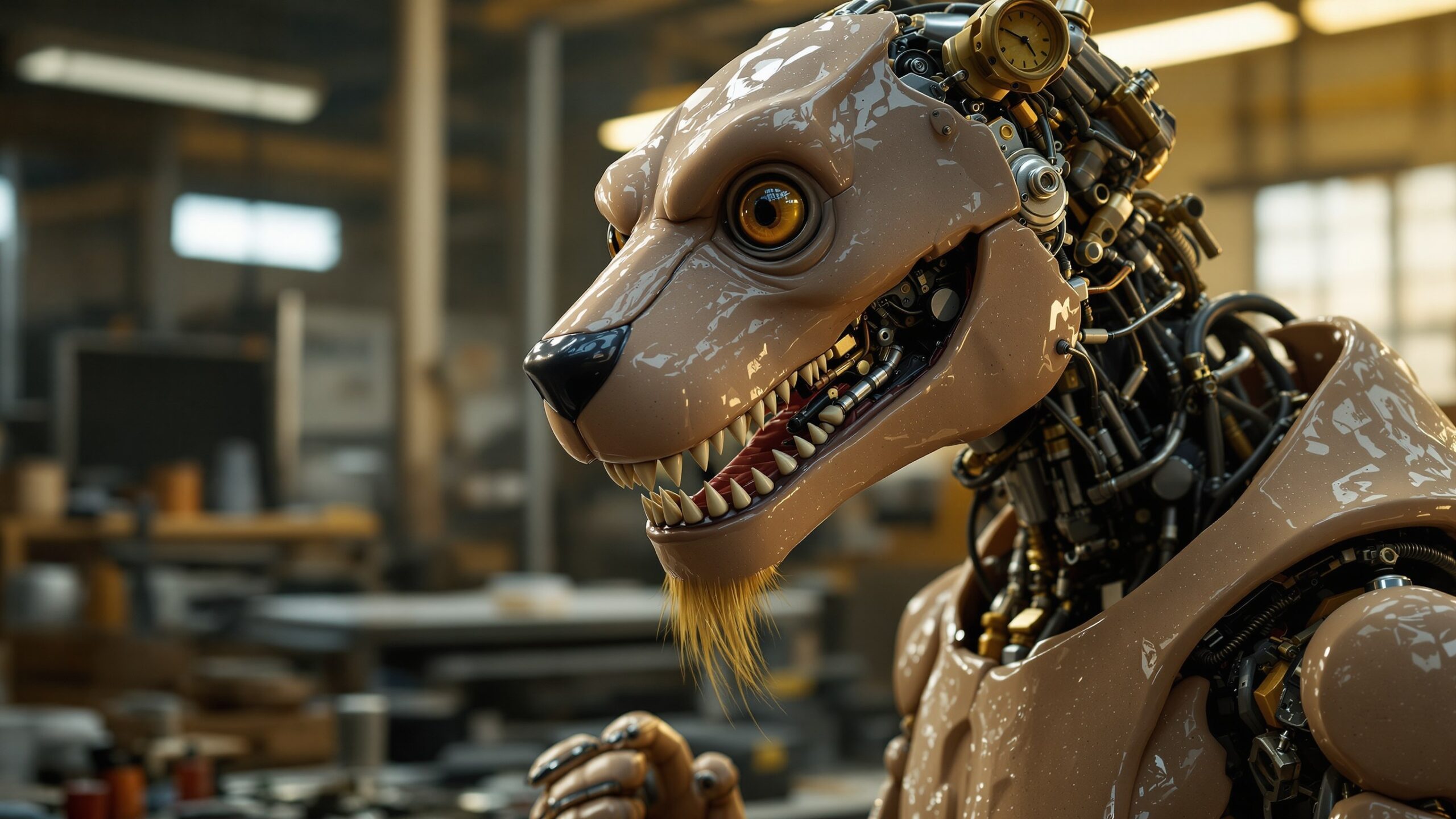
To understand why animatronics are appearing in new sectors, it is important to recognize how much the technology has evolved. Early animatronics relied on pneumatic systems and rigid mechanical linkages that limited realism and reliability. Modern animatronics use electric servos, lightweight composites, silicone skins, embedded sensors, and real-time control software. These improvements allow for smoother motion, subtle facial expressions, and synchronized speech that feels natural rather than mechanical.
Equally important is the shift in perception. Animatronics are no longer viewed as novelty attractions. They are now recognized as communication tools capable of engaging audiences emotionally, delivering information memorably, and creating trust through physical presence. This change in perception has opened doors in industries where human connection and attention are critical.
Healthcare and Medical Training
One of the most surprising adopters of animatronics is the healthcare industry. Medical schools and training centers increasingly use animatronic patients that can breathe, blink, speak, and respond physiologically to treatment. These systems simulate real medical scenarios, allowing doctors and nurses to practice procedures in high-stakes environments without risk to actual patients.
Unlike traditional medical mannequins, advanced animatronics can display pain responses, emotional distress, or confusion, helping trainees learn bedside manner alongside technical skills. Pediatric care, in particular, benefits from animatronic models that resemble children, enabling practitioners to practice sensitive interactions. In some hospitals, animatronic characters are even used to calm young patients before procedures, reducing anxiety through friendly, lifelike engagement.
Education and Experiential Learning
Education has embraced animatronics as a powerful experiential learning tool. Museums, science centers, and historical exhibits now use animatronic figures to bring lessons to life. Instead of static displays or text panels, visitors encounter historical figures who speak directly to them, explain complex ideas, and respond with programmed variations that feel conversational.
In classrooms, animatronics are being explored as teaching assistants for younger students, particularly in early childhood education. These systems can tell stories, demonstrate concepts, and encourage participation in ways that digital screens often cannot. The physical presence of an animatronic character helps sustain attention and fosters emotional connection, which research consistently links to improved learning outcomes.
Retail and Brand Experiences
Retail environments are increasingly competitive, and brands are searching for ways to stand out beyond digital signage and interactive screens. Animatronics have emerged as an unexpected solution. Flagship stores, pop-up experiences, and brand activations now feature animatronic mascots or characters that greet customers, explain products, and reinforce brand identity.
Unlike human staff, animatronics deliver consistent messaging and can operate for long hours without fatigue. They are especially effective in family-oriented retail spaces, where animated characters create memorable experiences that translate into stronger brand loyalty. In luxury retail, subtler animatronic installations are used as kinetic art pieces, reinforcing craftsmanship and innovation rather than overt entertainment.
Hospitality and Guest Engagement
Hotels, resorts, and cruise lines are experimenting with animatronics to enhance guest experiences. In themed resorts, animatronic characters appear in lobbies, dining areas, and immersive attractions, creating a sense of narrative continuity throughout the property. Even in non-themed hospitality settings, animatronics are used for ambient storytelling, such as animated wildlife displays or cultural figures that introduce local history.
Cruise ships, in particular, benefit from animatronics due to space constraints and the need for durable, repeatable entertainment. Animatronic performers can anchor shows, interactive exhibits, or educational experiences without the logistical complexity of live performers. Their reliability and scalability make them appealing for global hospitality brands seeking consistency across locations.
Museums, Zoos, and Conservation Messaging
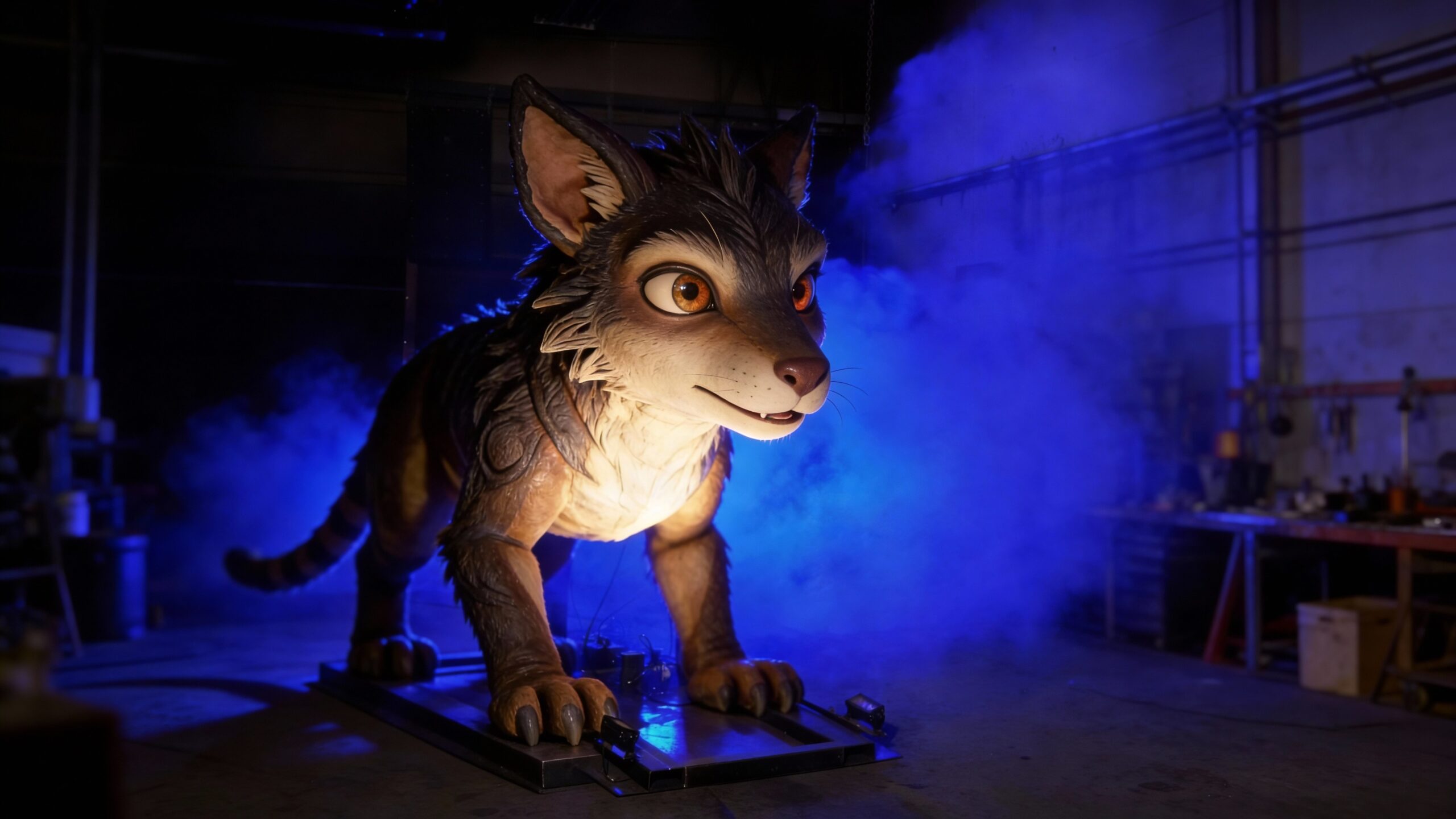
Museums and zoos have long used animatronics, but their role has expanded beyond display into conservation education and advocacy. Realistic animatronic animals allow institutions to showcase extinct or endangered species without ethical concerns. These figures can demonstrate natural behaviors, vocalizations, and movement patterns that static models cannot convey.
In conservation-focused exhibits, animatronics are used to tell emotional stories about habitat loss, climate change, and human impact. By creating lifelike encounters, institutions foster empathy and awareness that drive visitor engagement and donations. This emotional resonance is difficult to achieve through digital media alone, making animatronics a powerful tool for environmental messaging.
Corporate Training and Industrial Safety
Corporate training is another unexpected arena for animatronics. In industries such as manufacturing, aviation, and energy, animatronic figures are used to simulate real-world scenarios involving equipment operation, emergency response, and safety protocols. These systems can replicate human behavior in hazardous environments, allowing trainees to practice decision-making under pressure.
Animatronics also play a role in human factors training, where understanding body language, communication, and situational awareness is critical. By interacting with lifelike figures, trainees gain experience that is closer to real-world conditions than traditional simulations. This approach reduces training costs while improving preparedness and safety outcomes.
Public Spaces and Urban Installations
Animatronics are appearing in public spaces as interactive art and cultural installations. City centers, transit hubs, and public plazas now host animatronic sculptures that respond to movement, sound, or time of day. These installations transform otherwise utilitarian spaces into engaging environments that encourage exploration and social interaction.
Municipalities use animatronics to celebrate local history, folklore, or community identity. Unlike static monuments, animated installations feel alive, drawing repeat visitors and generating organic social media attention. This blend of public art and technology reflects a broader trend toward experiential urban design.
Faith, Spirituality, and Cultural Storytelling
Faith-based institutions and cultural centers are another unexpected adopter of animatronics. Churches, temples, and religious museums use animatronic figures to depict historical narratives, rituals, and moral lessons. These installations aim to educate and inspire rather than entertain, using realism to deepen emotional and spiritual engagement.
Cultural storytelling applications extend to heritage centers and indigenous museums, where animatronics help preserve oral histories and traditions. Elders and storytellers can be represented through respectful, carefully designed figures that convey language, gesture, and expression, ensuring cultural knowledge is passed on to future generations.
Marketing, Exhibitions, and Trade Shows
In the crowded world of exhibitions and trade shows, animatronics provide a competitive edge. Companies use animated figures to attract attention, demonstrate products, and communicate complex ideas in approachable ways. Unlike screens, animatronics draw crowds naturally, serving as focal points that encourage conversation and exploration.
For technology and engineering firms, animatronics act as tangible proof of innovation. They demonstrate motion control, AI integration, and design expertise in a way that brochures cannot. As trade shows become increasingly experiential, animatronics are likely to play a growing role in brand storytelling.
Therapeutic and Emotional Support Applications
Therapy and emotional support represent one of the most promising and unexpected uses of animatronics. In elder care and dementia treatment, animatronic companions are used to provide comfort, routine, and emotional engagement. These systems respond to touch, voice, and movement, offering companionship without the demands of live animals or constant human supervision.
For individuals with autism or social anxiety, animatronic figures can serve as controlled social partners, helping users practice interaction in a predictable, nonjudgmental environment. While ethical considerations are carefully debated, early studies suggest these applications can enhance quality of life when implemented thoughtfully.
The Future of Animatronics Across Industries
The expansion of animatronics into unexpected industries is not a passing trend. As costs decrease and technology becomes more accessible, smaller organizations and niche markets will adopt animatronic solutions tailored to their needs. Integration with artificial intelligence will further enhance interactivity, allowing animatronics to adapt responses in real time rather than relying solely on scripted behaviors.
Sustainability is also shaping the future of animatronics. Designers are focusing on modular systems, recyclable materials, and energy-efficient components to reduce environmental impact. This shift aligns with broader industry expectations and opens opportunities in sectors where sustainability is a priority.
Why Animatronics Continue to Surprise
What makes animatronics so adaptable is their unique position at the intersection of engineering, psychology, and storytelling. They engage multiple senses simultaneously, creating experiences that feel personal and memorable. In industries where attention, trust, and emotional connection matter, animatronics offer a distinct advantage over purely digital solutions.
As society becomes increasingly screen-saturated, the physical presence of animatronics feels refreshing and novel. This tactile, spatial engagement explains why industries far removed from entertainment are embracing the technology. Animatronics do not replace human interaction; they enhance it by creating moments of curiosity, empathy, and wonder.
Conclusion
Animatronics have quietly moved beyond their traditional roles to become influential tools across a wide range of unexpected industries. From healthcare and education to retail, conservation, and therapy, these lifelike systems are reshaping how organizations communicate, train, and connect with people. Their ability to combine realism with reliability makes them uniquely suited to modern challenges where engagement and authenticity are paramount. As technology continues to evolve, the presence of animatronics in everyday environments will likely become more common, though no less fascinating. Their success in unexpected industries demonstrates that animatronics are not merely mechanical performers, but powerful storytellers capable of transforming how we experience information, spaces, and each other.