Why Animatronics Age Better Than You Think
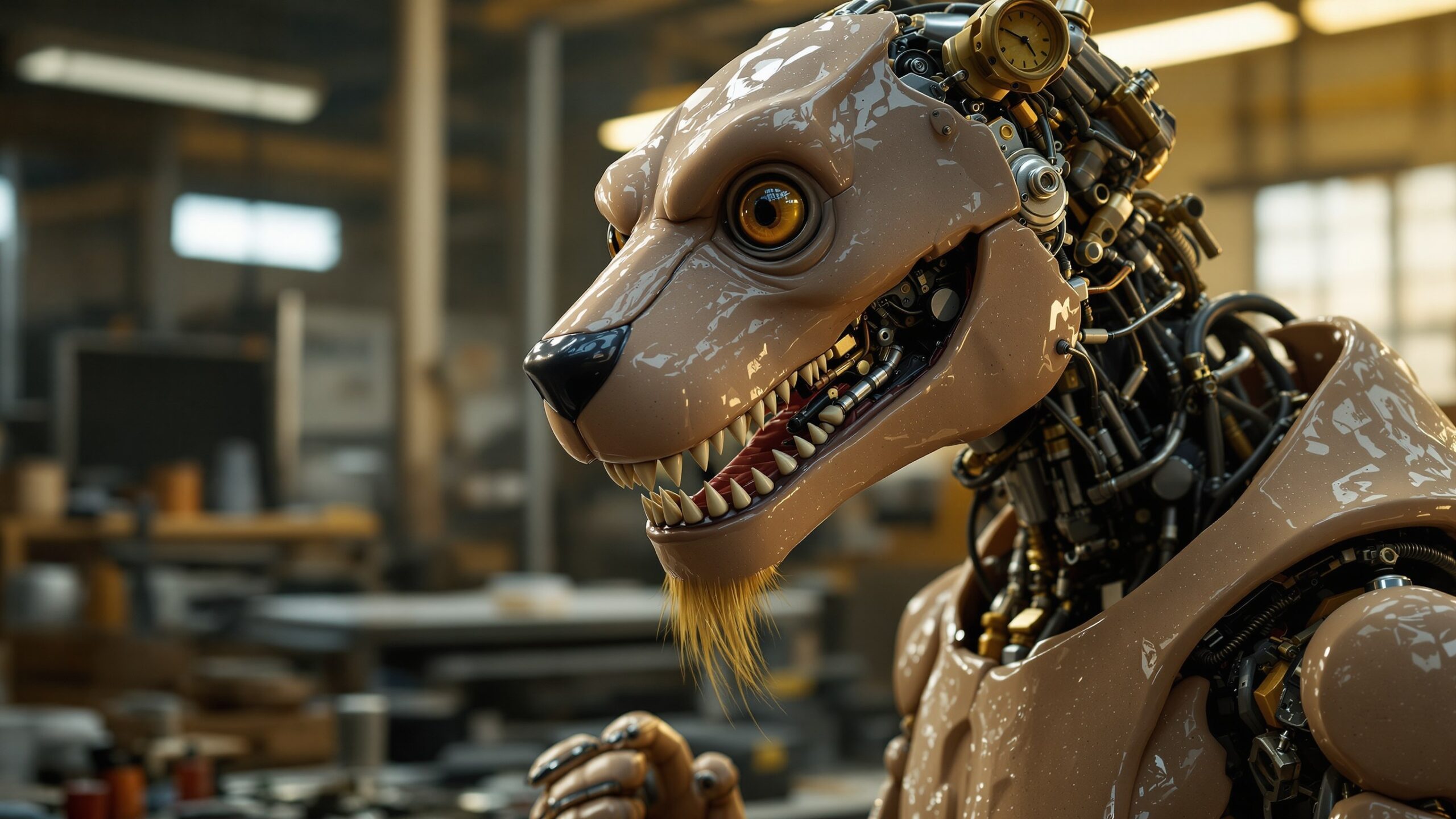
Animatronics often carry an undeserved reputation for fragility. To many observers, they seem like complex machines destined to stiffen, glitch, or fall apart as years pass. In reality, well-designed animatronics age far more gracefully than most people expect. From theme park figures that have performed for decades to film creatures preserved in studio archives, animatronics demonstrate a remarkable capacity for longevity, adaptability, and continued realism. Their endurance is not accidental; it is the result of deliberate engineering philosophies, maintenance cultures, and a design mindset that prioritizes serviceability as much as spectacle. Understanding why animatronics age so well requires looking beyond the surface illusion. Beneath latex skin and expressive eyes lies a system intentionally built to survive constant motion, environmental stress, and evolving creative demands. When examined closely, animatronics reveal themselves not as disposable props, but as modular, maintainable, and surprisingly future-proof creations.
A: Properly built units can operate reliably for decades.
A: Mechanical motion ages more naturally than digital animation.
A: Yes—most components are rebuildable or replaceable.
A: Not for longevity—simplicity wins.
A: Skins and finishes, not motion systems.
A: No—maintenance matters more than replacement.
A: They remain serviceable indefinitely.
A: Digital systems age abruptly; mechanics do not.
A: Yes—designers account for wear from day one.
A: Often it enhances realism.
Built for Continuous Performance, Not Short-Term Use
Unlike many consumer electronics, animatronics are rarely designed for limited lifespans. From their earliest conceptual stages, they are expected to operate repeatedly, often for thousands of cycles per day. Theme park animatronics, in particular, are engineered with the assumption that they will perform continuously for years, sometimes decades, with only scheduled downtime for inspection and upgrades.
This expectation fundamentally shapes how they are built. Structural components are over-engineered to handle stress far beyond typical use cases. Load-bearing frames are usually fabricated from steel or aircraft-grade aluminum, materials chosen for durability rather than cost efficiency. Joints and linkages are designed with tolerances that allow for wear without catastrophic failure, ensuring that small degradations do not immediately compromise performance. Because animatronics are not treated as disposable, their aging process resembles that of industrial machinery more than that of consumer gadgets. With proper care, they do not simply “wear out”; they evolve.
Modular Design Makes Aging Manageable
One of the most important reasons animatronics age well is modularity. Rather than being built as sealed, monolithic systems, they are typically composed of distinct subsystems: mechanical motion assemblies, control electronics, pneumatic or hydraulic lines, and cosmetic skins. Each of these layers can be repaired, replaced, or upgraded independently.
When a servo motor loses precision or a pneumatic valve begins to leak, the solution is rarely to retire the entire figure. Instead, technicians swap out the affected component while leaving the rest of the system intact. This modular approach dramatically extends lifespan, allowing animatronics to remain operational long after their original components would otherwise be considered obsolete.
This design philosophy also future-proofs animatronics against technological change. Control systems can be modernized, software rewritten, and sensors upgraded without altering the core mechanical structure. As a result, an animatronic built decades ago can still feel contemporary in motion and responsiveness.
Maintenance Culture Is Baked Into the Medium
Animatronics thrive because they exist within a culture of proactive maintenance. Unlike static sculptures or digital assets, animatronic figures demand ongoing attention, and the industries that rely on them have adapted accordingly. Maintenance schedules are not optional; they are foundational to safe and convincing operation.
Technicians regularly inspect joints, lubricate moving parts, recalibrate actuators, and test control systems. Cosmetic elements are cleaned, repainted, or reskinned as needed. This constant care prevents minor issues from becoming major failures and allows gradual wear to be addressed long before it impacts performance.
Over time, this maintenance culture creates an unexpected benefit. Animatronics do not simply survive aging; they improve through iterative refinement. Each service cycle provides an opportunity to enhance motion smoothness, correct small design flaws, or incorporate lessons learned from years of operation.
Motion Systems Are Designed to Age Gracefully
Mechanical motion is often cited as a weakness of animatronics, but in practice it is one of their strengths. Motion systems are deliberately designed to degrade predictably rather than suddenly. Bearings wear slowly, seals weaken gradually, and motors lose efficiency over extended periods rather than failing overnight.
This predictable aging allows technicians to anticipate problems and intervene early. In many cases, older animatronics become more stable rather than less, as initial stress points are reinforced and motion profiles are fine-tuned over time. Movements that may have been overly aggressive at installation are softened, resulting in more natural, believable performances.
The result is a paradox: an older animatronic, carefully tuned through years of observation, can appear more lifelike than it did on opening day.
Materials Are Chosen for Longevity, Not Novelty
While animatronic skins and finishes may appear delicate, they are the product of extensive material science. Silicones, foams, and elastomers used in modern animatronics are selected for resistance to UV light, temperature fluctuations, and repeated flexing. Even earlier generations, which relied more heavily on latex, were often protected through controlled environments and regular replacement schedules.
Importantly, cosmetic aging does not equal structural failure. A faded surface or cracked outer layer does not compromise the underlying mechanics. Skins can be replaced entirely while preserving the motion system beneath, much like restoring a classic car with a new paint job.
This separation between appearance and structure allows animatronics to maintain performance long after their original aesthetic materials have reached the end of their life cycle.
Aging Enhances Character Authenticity
In some cases, age actually benefits the illusion animatronics are meant to create. Minor imperfections introduced over time can add character and realism, especially for figures portraying creatures, animals, or fantastical beings. Slight asymmetries, subtle timing variations, and softened movements can make a character feel less mechanical and more organic.
Theme park designers and filmmakers often embrace these qualities rather than eliminating them. An animatronic that moves with absolute precision can feel uncanny, while one that carries the subtle quirks of long-term operation can feel alive. Aging, when managed thoughtfully, becomes part of the storytelling toolkit.
This is one reason why retired animatronics often retain emotional power. They feel “experienced,” as though they have lived alongside audiences rather than merely performed for them.
Control Systems Evolve Without Replacing the Soul
One of the most compelling reasons animatronics age well is that their “brains” can be replaced without losing their identity. Early animatronics relied on analog controls, cams, and simple relay systems. Over time, these were replaced with digital controllers, programmable logic systems, and advanced animation software.
Yet the physical performance, the gestures, and the character essence often remain unchanged. By upgrading control systems, designers can smooth motion, add nuance, and increase reliability while preserving the original choreography. This continuity allows animatronics to benefit from modern technology without being erased by it. In many attractions, the animatronics guests see today are mechanically descended from much older figures, quietly modernized behind the scenes while maintaining their original charm.
Environmental Design Protects Long-Term Performance
Animatronics rarely exist in uncontrolled environments. Whether housed indoors or outdoors, their surroundings are carefully engineered to minimize stress. Temperature, humidity, lighting, and exposure to contaminants are all considered during installation.
Climate control reduces material fatigue and prevents corrosion. Protective enclosures shield sensitive components from dust and moisture. Even lighting is selected not just for visual effect, but to limit UV damage to surfaces. By designing environments that support the animatronic rather than challenge it, creators significantly extend operational life. This environmental stewardship is a key reason why some animatronics remain functional for decades.
Institutional Knowledge Preserves Aging Systems
Another overlooked factor in animatronic longevity is human expertise. Many long-running attractions benefit from technicians who inherit detailed documentation, tribal knowledge, and hands-on experience passed down over generations. These specialists understand the quirks of specific figures and know how to coax optimal performance from aging systems.
This continuity of knowledge transforms aging from a liability into an asset. Instead of guessing how an old system behaves, technicians develop an intuitive understanding that allows them to maintain and improve it. In this sense, animatronics age not just physically, but culturally, supported by a living tradition of care.
Restoration Is an Accepted Part of the Lifecycle
Unlike digital effects, which can become obsolete as software changes, animatronics are designed with restoration in mind. Refurbishment is not seen as failure; it is expected. Components are rebuilt, skins resculpted, and mechanisms rebalanced as part of a natural lifecycle.
This approach mirrors the restoration of fine art or historical architecture. The goal is not to freeze the animatronic in time, but to preserve its function and intent while allowing materials to be renewed. Through restoration, animatronics can remain relevant and functional far longer than technologies that lack physical continuity.
Emotional Durability Matters as Much as Mechanical Durability
Animatronics endure because audiences form emotional connections with them. When a figure becomes iconic, it gains value beyond its mechanical components. This emotional investment justifies the time, expense, and care required to maintain it over decades.
As a result, animatronics are rarely abandoned simply because they are old. They are preserved, updated, and celebrated. Their aging becomes part of their story, reinforcing their place in cultural memory. This emotional durability ensures that animatronics are treated as long-term assets rather than temporary novelties.
The Future Will Only Improve Longevity
Advances in materials science, robotics, and control systems continue to enhance animatronic durability. Modern servos last longer, sensors self-calibrate, and software allows for smoother, less stressful motion profiles. These innovations reduce wear and simplify maintenance, making future animatronics even more resilient. At the same time, designers remain committed to the principles that have always supported longevity: modularity, accessibility, and serviceability. The result is a medium that evolves without abandoning its core strengths.
Why Animatronics Defy Expectations of Aging
Animatronics age better than you think because they were never meant to be disposable. They are engineered for repetition, designed for repair, and supported by cultures that value long-term performance. Their materials are chosen for endurance, their systems are modular, and their environments are carefully controlled.
Most importantly, animatronics are allowed to age with intention. Through maintenance, upgrades, and restoration, they become more refined, more believable, and more emotionally resonant over time. What appears fragile on the surface is, in truth, a deeply resilient form of engineering art. In an era dominated by fleeting digital experiences, animatronics stand as a reminder that physical creations, when built thoughtfully, can endure. Their longevity is not an accident. It is proof that aging, when embraced and managed, can be a strength rather than a flaw.