How Lifelike Animatronics Are Designed to Fool the Eye
Lifelike animatronics sit at the fascinating crossroads of art, engineering, psychology, and illusion. These mechanical beings are not merely machines that move; they are carefully crafted performers designed to convince the human eye—and often the human mind—that something artificial is alive. From theme park attractions and museum exhibits to film sets and immersive experiences, modern animatronics rely on a complex blend of physical realism, nuanced motion, and perceptual trickery to achieve their effect. Fooling the eye is never accidental. It is the result of deliberate design choices that exploit how humans interpret faces, motion, texture, and emotion. What makes animatronics especially compelling is that they do not rely on digital trickery or screen-based effects. They exist in the physical world, sharing space with their audience. This proximity raises the bar for realism dramatically. Every surface flaw, every unnatural pause, and every mechanical sound can break the illusion instantly. To succeed, designers must understand not only how things move, but how people see.
A: Human motion rarely snaps; slower motion reads as natural.
A: Near-human visuals paired with unnatural motion cues.
A: Servos for precision; hydraulics for power and scale.
A: Critical—skin controls light diffusion and deformation.
A: No—they complement performance and storytelling.
A: Weeks to months depending on complexity.
A: Rarely—contact accelerates wear and risk.
A: Stillness feels unnatural to the human eye.
A: Independent pan, tilt, blink, and focus systems.
A: Subtle timing, not mechanical complexity.
The Psychology of Visual Believability
At the heart of lifelike animatronics lies human perception. The eye does not operate as a neutral camera; it is deeply influenced by expectations, pattern recognition, and emotional cues. Animatronic designers exploit this by focusing on what viewers notice first and forgiving what they tend to overlook. The human brain is exceptionally sensitive to faces, especially eyes and mouths. Slight inaccuracies in these regions can trigger discomfort or disbelief, while imperfections elsewhere may go unnoticed.
Designers often study facial recognition psychology, learning how people interpret micro-expressions and emotional signals. A perfectly sculpted face with poor eye movement will appear lifeless, while a less detailed face with convincing gaze behavior can feel remarkably real. This is why animatronics rarely aim for absolute anatomical perfection. Instead, they aim for perceptual realism, prioritizing the cues that the brain subconsciously uses to decide whether something feels alive.
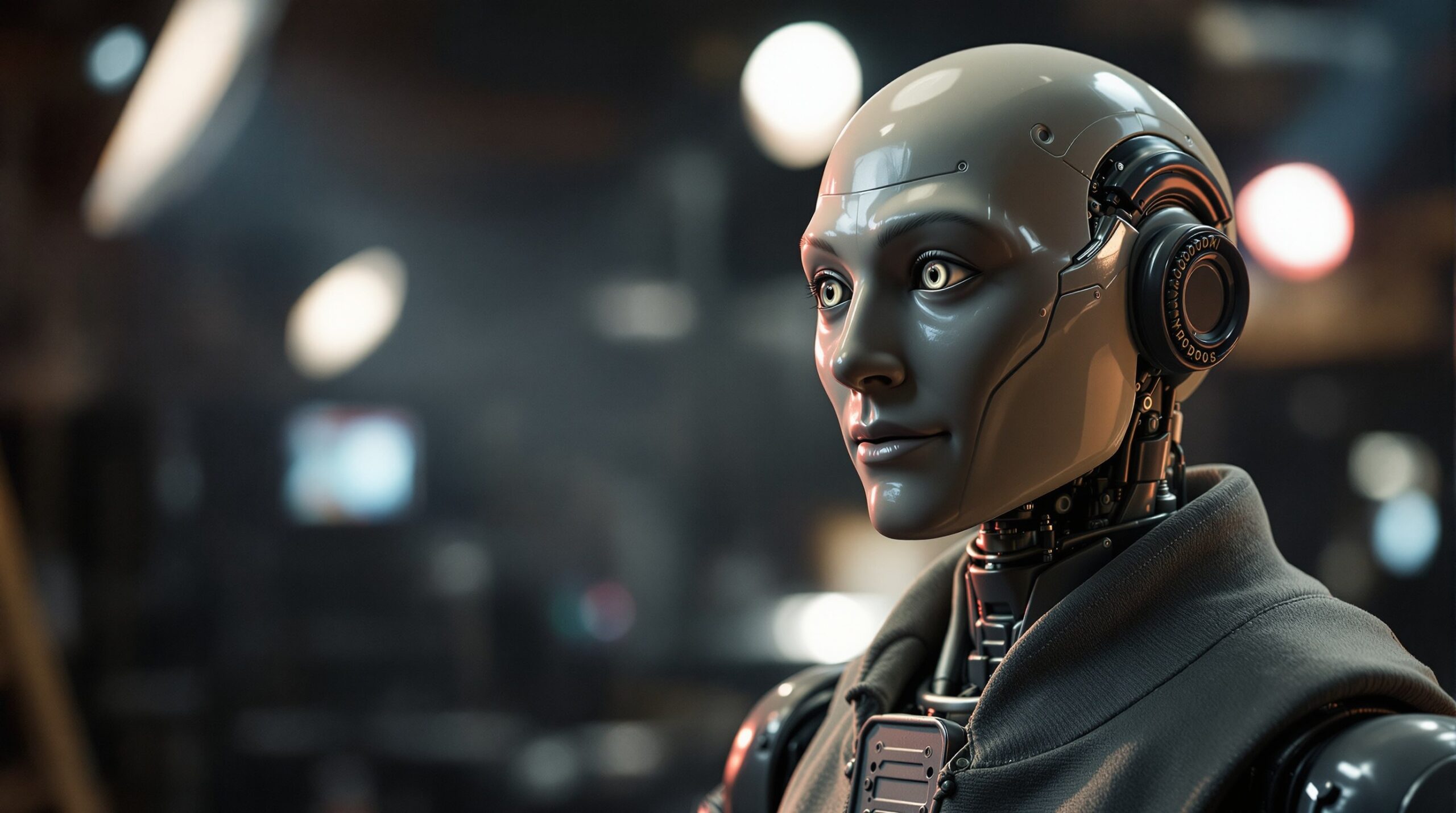
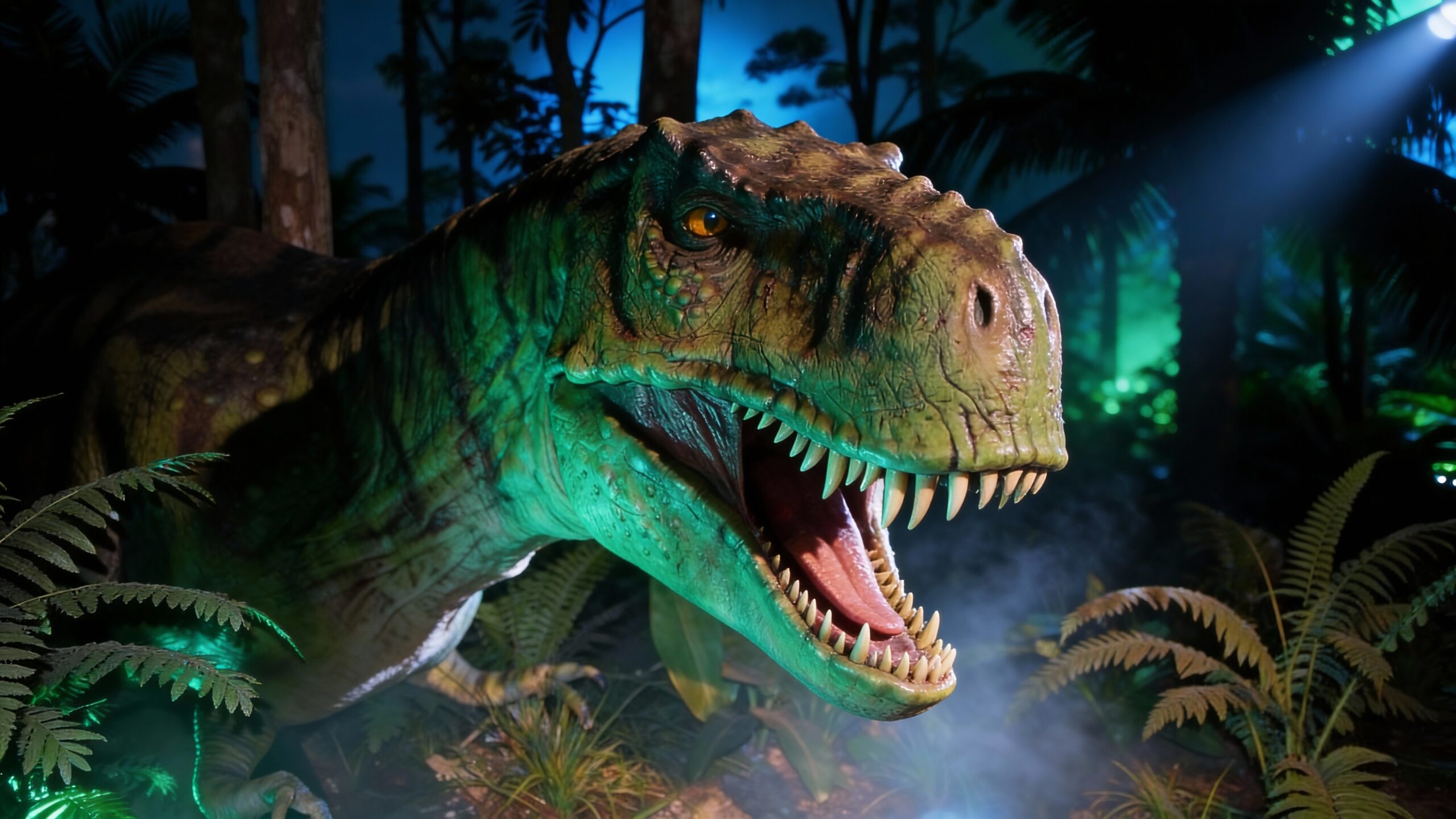
Another key factor is expectation management. A dinosaur animatronic, for example, does not need to meet the same realism standards as a human figure because viewers have no real-world reference. Human animatronics, on the other hand, must navigate the uncanny valley, where near-human realism can feel unsettling rather than convincing. Designers intentionally stylize or soften features to stay on the safe side of believability.
Sculpting the Illusion of Life
The foundation of any lifelike animatronic begins with sculpting. Whether created digitally or by hand, the sculpt defines how light interacts with the surface and how the figure reads at different distances. Designers focus heavily on silhouette, proportions, and asymmetry. Real living beings are never perfectly symmetrical, and subtle asymmetries in facial features, posture, and musculature help sell realism.
Modern animatronic sculpting often begins in digital 3D modeling software, where artists can iterate rapidly and simulate lighting conditions. These digital sculpts are then translated into physical forms using CNC milling, 3D printing, or traditional sculpting methods. The goal is not smoothness, but believable imperfection. Skin folds, muscle tension, and bone structure are exaggerated slightly to remain readable under varied lighting conditions.
The sculpt also accounts for movement. Areas that will flex or compress must be designed differently than static surfaces. Cheeks, brows, and necks are sculpted with motion paths in mind, ensuring that when actuated, they deform naturally rather than crease unnaturally. This marriage of sculpture and mechanics is one of the defining challenges of lifelike animatronics.
Skin, Texture, and Material Realism
Skin is one of the most difficult elements to replicate convincingly. Human eyes are extraordinarily good at detecting artificial skin, even when the difference is subtle. To address this, animatronic designers use layered silicone systems that mimic the translucency and elasticity of real skin. These layers allow light to penetrate the surface slightly before scattering, creating a soft, organic appearance rather than a flat, rubbery look.
Texture plays an equally important role. Pores, wrinkles, freckles, and veins are often added by hand, ensuring variation across the surface. These micro-details catch highlights and shadows in unpredictable ways, reinforcing realism. Even areas that seem insignificant, such as the backs of ears or eyelids, receive careful attention because the eye subconsciously scans these areas for authenticity.
Coloration is rarely uniform. Subtle shifts in tone around the nose, eyes, and mouth mirror real blood flow and skin thickness. Designers often reference medical imagery or live models to achieve accurate color layering. The result is skin that appears alive under different lighting conditions, whether illuminated by stage lights, daylight, or dim exhibit lighting.
Motion as the Primary Convincer
While visual detail is important, motion is the single most powerful factor in fooling the eye. Humans are exceptionally sensitive to movement patterns, especially biological motion. Animatronic designers therefore prioritize motion realism even when budgets or technical constraints limit visual detail.
Natural motion is rarely linear. Living beings accelerate and decelerate organically, with slight hesitations and follow-through. Animatronics replicate this using motion curves rather than simple on-off movements. A head turn, for example, may begin slowly, accelerate through the midpoint, and settle gently at the end, with secondary motion in the neck and shoulders.
Micro-movements are especially critical. Subtle breathing motions, slight posture shifts, and unconscious head tilts add layers of realism. Even when the animatronic is “idle,” it is rarely completely still. These small movements prevent the figure from appearing frozen or mechanical, maintaining the illusion of awareness.
Designers often observe real performers or animals frame by frame to analyze how motion flows through the body. This research informs how actuators are timed and sequenced, ensuring that movement feels intentional rather than robotic.
Facial Animation and Emotional Cues
The face is the focal point of lifelike animatronics, and facial animation is where illusion either succeeds or fails. Rather than attempting full facial articulation, which can quickly become complex and unreliable, designers often focus on a limited set of expressive movements that convey emotion effectively.
Eyebrow motion is particularly important. Slight changes in brow position can communicate curiosity, concern, or excitement instantly. Mouth movement is often simplified to avoid unnatural lip shapes, especially in speaking figures. In many cases, designers rely on suggestion rather than precision, allowing the viewer’s brain to fill in the gaps.
Eye behavior is arguably the most critical element. Blinking patterns, gaze direction, and timing all influence perceived intelligence and awareness. A figure that blinks too regularly feels mechanical, while one that never blinks feels unsettling. Designers program irregular, context-sensitive blinking to mimic real behavior. Eye tracking, even when pre-programmed rather than reactive, can create the impression that the animatronic is aware of its surroundings.
Lighting as a Design Partner
Lighting is not merely a display consideration; it is an integral part of animatronic design. Designers anticipate how light will interact with surfaces and movement, often collaborating closely with lighting designers from the earliest stages. Strategic lighting can hide mechanical limitations while enhancing realism.
Soft, directional lighting emphasizes texture and depth, while harsh overhead lighting can expose seams and material inconsistencies. Many animatronics are designed with built-in shadows in mind, ensuring that critical areas remain believable even under less-than-ideal conditions. Designers may exaggerate certain features slightly so they read correctly under theatrical lighting.
Color temperature also influences perception. Warm lighting tends to flatter skin tones and enhance lifelike warmth, while cool lighting can create an eerie or artificial feel. Understanding how lighting affects mood allows animatronics to be tailored for specific emotional responses, whether wonder, excitement, or tension.
Sound, Silence, and the Power of Expectation
Although animatronics are visual by nature, sound plays a subtle yet powerful role in fooling the eye. Mechanical noise can instantly shatter the illusion, so designers invest heavily in noise reduction. Motors are isolated, gear systems are dampened, and movement speeds are tuned to minimize audible cues.
Conversely, intentional sound design can enhance realism. Breathing sounds, subtle fabric movement, or environmental audio synchronized with motion reinforce the perception of life. Even silence can be effective. A quiet animatronic that moves naturally may feel more real than one overloaded with sound effects.
Expectation also shapes perception. When viewers know they are about to see an animatronic, they scrutinize it more closely. Designers counter this by creating moments of surprise or distraction, guiding the viewer’s attention toward strengths and away from limitations. The illusion works best when viewers are emotionally engaged rather than analytically observing.
Mechanical Design Hidden Beneath the Surface
Behind every lifelike animatronic lies a complex mechanical system designed to remain invisible. Designers prioritize compactness and efficiency, fitting motors, linkages, and control systems into confined spaces without compromising movement quality. The challenge is balancing power with subtlety.
Cable-driven systems are often used in faces and hands because they allow smooth, organic motion while keeping bulky components hidden. These systems require precise calibration, as small adjustments can dramatically affect performance. Redundancy is built in wherever possible to ensure reliability during long operational periods. Durability is another critical factor. Lifelike animatronics are often expected to perform thousands of cycles daily. Materials, joints, and fasteners are selected not only for realism but for longevity. The illusion must hold up over time, not just during initial testing.
Digital Tools and Real-World Craftsmanship
Modern animatronics benefit enormously from digital tools, but they remain deeply rooted in hands-on craftsmanship. Motion simulations allow designers to preview movement before building physical systems, reducing costly trial and error. Control software enables fine-tuning of timing, speed, and synchronization.
Despite these advances, human judgment remains irreplaceable. Artists and engineers continually adjust systems by eye, responding to how movements feel rather than how they measure. A motion that looks correct on paper may still feel wrong when observed in person. This iterative process is essential to achieving lifelike results. The collaboration between digital precision and analog intuition is what sets exceptional animatronics apart. Technology provides the tools, but human perception defines success.
The Future of Fooling the Eye
As technology advances, the line between artificial and living continues to blur. Improvements in materials, motion control, and sensory integration promise even more convincing animatronics. However, the core principles remain unchanged. Fooling the eye is not about overwhelming complexity; it is about understanding perception.
Future animatronics may incorporate adaptive behaviors, responding subtly to their environment or audience. Even so, realism will still depend on careful design choices that respect how humans see, feel, and interpret the world around them. The most convincing animatronics will always be those that prioritize believability over spectacle. In the end, lifelike animatronics succeed not because they replicate life perfectly, but because they persuade us to believe, if only for a moment, that what we are seeing is alive. That fleeting suspension of disbelief is the true magic behind the mechanics.