The Evolution of Animatronics: From Theme Parks to Film Sets
Animatronics occupy a rare intersection between engineering and imagination. They are machines designed not merely to move, but to perform, to express, and to convince audiences that something artificial has crossed the threshold into life. From early mechanical novelties to today’s hyper-realistic film creatures, animatronics have evolved alongside advances in robotics, materials science, and storytelling. What began as simple automated figures in themed attractions has grown into a sophisticated art form capable of delivering emotion, character, and cinematic realism. This evolution is not just a technical story, but a cultural one. Animatronics have shaped how audiences experience theme parks, films, museums, and live entertainment, often becoming iconic symbols of entire franchises. Their journey reveals how technology adapts to creative demands, and how imagination continually pushes machinery to feel more human, animal, or fantastical.
A: Physical presence creates stronger emotional impact.
A: Yes, often combined with CGI for realism.
A: Theme park figures are built for continuous operation.
A: Weeks for film props, months for park installations.
A: Yes, motion updates are often software-based.
A: Wear on moving joints and cables.
A: Increasingly, through sensors and AI logic.
A: Yes, when built to modern safety standards.
A: They complement, rather than replace, live talent.
A: Believable motion, timing, and character.
Mechanical Roots: Early Automation and the Illusion of Life
Long before the word “animatronics” existed, inventors and artists were fascinated by mechanical life. Ancient automata, powered by water, weights, and gears, appeared in Greek, Chinese, and Islamic engineering traditions. These early devices did not aim for realism as we understand it today, but they laid the foundation for programmable motion and repeatable behavior.
During the Renaissance and Enlightenment periods, clockmakers produced intricate mechanical figures capable of writing, drawing, or playing musical instruments. These creations were marvels of precision engineering, showcasing the possibility that motion, timing, and cause-and-effect could be choreographed mechanically. While limited in expression, they established a crucial principle that animatronics still follow: believable motion is the result of controlled mechanics, not raw power.
The Birth of Modern Animatronics in Theme Parks
The modern era of animatronics truly began in the mid-20th century with the rise of themed entertainment. Walt Disney played a pivotal role by envisioning attractions populated not by static displays, but by characters that could move, gesture, and speak. This vision demanded a new class of machines that blended mechanics, electronics, and performance.
Early Disney figures relied on pneumatic and hydraulic systems to produce motion. These systems allowed for smooth, repeatable movements but required large infrastructure and constant maintenance. The breakthrough came with the development of audio-controlled animation, where recorded sound tracks triggered synchronized movements. This allowed animatronic figures to “perform” consistently, aligning speech, gestures, and facial expressions in ways that felt revolutionary at the time. Theme parks became living laboratories for animatronics. Attractions demanded durability, reliability, and the ability to perform thousands of cycles per day. As a result, engineers refined materials, joint designs, and control systems, gradually improving realism while reducing mechanical wear.
Character First: How Storytelling Shaped Animatronic Design
As animatronics matured, designers realized that realism alone was not enough. A perfectly engineered figure could still feel lifeless if it lacked character. This insight shifted animatronics from purely mechanical achievements to performance-driven creations. Movement began to follow principles borrowed from animation and theater. Timing, anticipation, exaggeration, and subtle pauses were introduced to mimic organic behavior. Animators and engineers worked together, translating hand-drawn animation principles into physical motion profiles. The goal was not perfect realism, but emotional believability.
Facial expressions became a particular focus. Early figures relied on broad, simplified movements, but advances in linkage systems and servo motors allowed for layered expressions. Eyebrows, eyelids, mouths, and cheeks could move independently, enabling figures to convey curiosity, joy, or concern. This emotional range deepened audience connection and set new expectations for animatronic performance.
Transitioning from Attractions to Cinema
While theme parks provided the proving ground, cinema expanded the creative possibilities of animatronics. Film sets did not require machines to run continuously for years, but they demanded an entirely different level of visual realism. Cameras reveal details that audiences might miss in a dark ride environment, exposing imperfections in skin texture, motion fluidity, and scale.
Animatronics entered mainstream film production in the 1970s and 1980s as directors sought practical effects that felt tangible. Unlike early special effects that relied on miniatures or optical tricks, animatronic creatures shared physical space with actors. This allowed performers to react authentically, grounding fantastical scenes in reality. The collaboration between special effects artists, engineers, and puppeteers led to hybrid systems. Many film animatronics combined internal motors with external puppetry, allowing operators to fine-tune performances in real time. This approach emphasized nuance over automation, treating animatronic characters as performers rather than machines.
Iconic Film Creatures and a New Standard of Realism
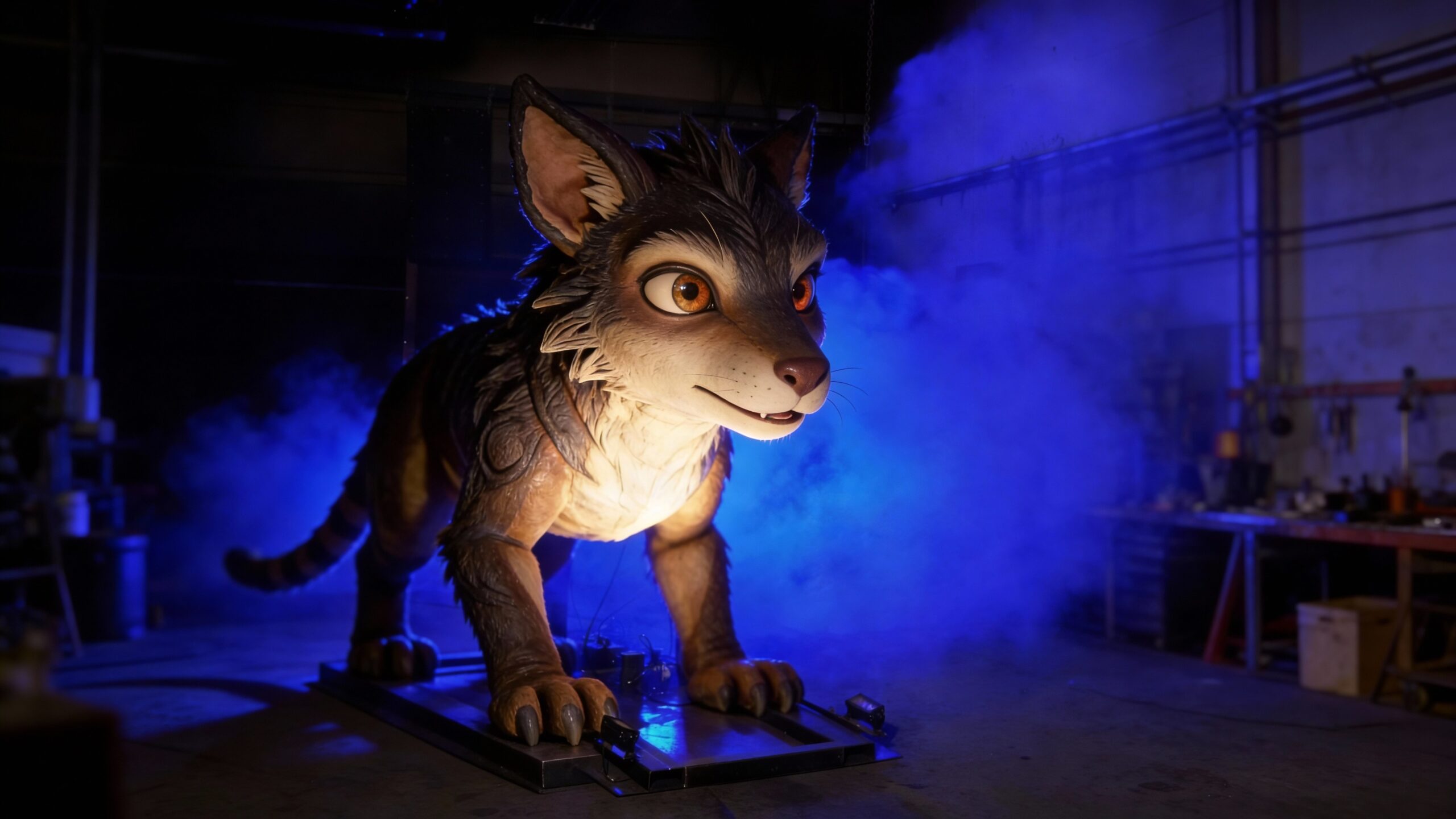
Certain film projects fundamentally reshaped the expectations placed on animatronics. Realistic animals, creatures, and characters demonstrated that mechanical systems could deliver subtle, emotionally resonant performances. Skin materials evolved to replicate muscle movement and surface deformation, while internal structures mimicked skeletal anatomy.
Eyes became a defining feature. Engineers recognized that believable eye movement, blinking, and focus were essential for audience acceptance. Innovations in eye mechanisms allowed animatronics to track motion, shift gaze naturally, and maintain lifelike presence on screen. These advancements elevated animatronics from background effects to central storytelling tools. Entire films were built around creatures whose performances relied heavily on mechanical realism. In many cases, animatronics were indistinguishable from live animals or actors when combined with skilled lighting and cinematography.
Control Systems: From Analog to Digital Intelligence
The evolution of animatronics mirrors the evolution of control technology. Early systems relied on analog signals, mechanical cams, and fixed sequences. While effective, these systems were inflexible and time-consuming to adjust. The introduction of digital controllers transformed animatronic design. Programmable logic allowed for precise motion control, repeatable sequences, and rapid iteration. Engineers could fine-tune movement curves, synchronize multiple systems, and store complex performances digitally.
Motion capture further expanded possibilities. Human performers could record movements that were then translated into animatronic motion, preserving natural timing and gesture. This technique bridged the gap between organic performance and mechanical execution, resulting in more authentic behavior.
Materials and Skin Technology: The Pursuit of Believability
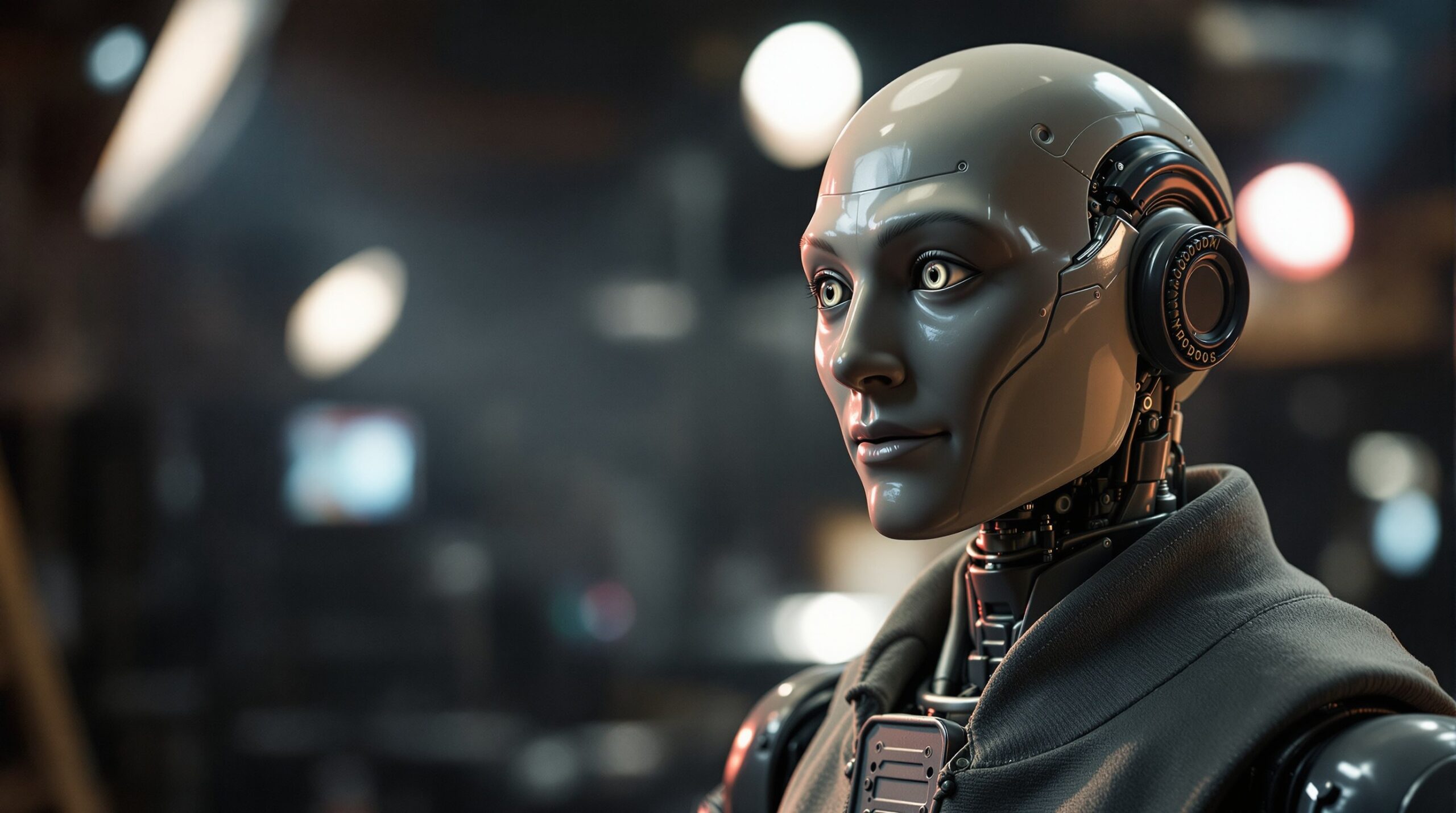
One of the most challenging aspects of animatronics has always been surface realism. Early figures often suffered from stiff or artificial appearances, regardless of how advanced their internal mechanics were. Advances in silicone, foam latex, and composite materials revolutionized animatronic skins. These materials allowed for realistic translucency, elasticity, and texture. Engineers began designing internal muscle structures that interacted dynamically with the skin, enabling compression, stretch, and subtle deformation during movement.
Paint techniques and finishing processes became equally important. Layered coloration, embedded details, and realistic imperfections helped animatronics withstand close-up scrutiny. The result was a convergence of sculpture, chemistry, and mechanical engineering, all working toward the illusion of life.
The Digital Challenge: CGI and the Survival of Practical Effects
The rise of computer-generated imagery introduced a perceived threat to animatronics. CGI offered limitless creative freedom, reduced physical constraints, and easier post-production changes. For a time, many believed practical effects would become obsolete. Instead, animatronics adapted. Filmmakers discovered that practical creatures provided visual and emotional grounding that digital effects struggled to replicate alone. Animatronics offered real lighting interaction, physical presence, and tactile realism that enhanced believability.
Hybrid approaches emerged, combining animatronics with CGI enhancements. Mechanical creatures served as physical foundations, while digital tools refined facial expressions, removed visible mechanisms, or extended motion. This synergy preserved the strengths of both disciplines and reaffirmed the value of animatronics in modern filmmaking.
Modern Theme Parks: Immersion at an Unprecedented Scale
While film animatronics focus on visual perfection, theme parks continue to push immersion. Modern attractions demand characters that respond, gesture, and interact within complex environments. Animatronics are now integrated with projection mapping, synchronized lighting, and advanced audio systems.
Figures are designed to convey personality instantly, even during brief moments of visibility. Engineers prioritize smoothness, reliability, and emotional clarity, ensuring performances remain compelling over years of operation. Some modern animatronics feature dozens of independent motion axes, allowing for fluid, expressive behavior previously reserved for film. The goal has shifted from novelty to presence. Guests no longer marvel simply because a figure moves; they expect characters to feel alive within the story world.
Behind the Scenes: Collaboration Across Disciplines
Animatronics are rarely the product of a single discipline. Successful projects involve collaboration among mechanical engineers, electrical engineers, programmers, sculptors, painters, costume designers, and performers. Each discipline influences the final result, shaping how the animatronic moves, looks, and interacts.
Design typically begins with character intent rather than mechanics. What emotions should the figure convey? How should it move within the story? These questions guide engineering decisions, ensuring technology serves narrative goals rather than dictating them. This collaborative approach reflects the maturation of animatronics as an art form. They are no longer mechanical novelties, but integrated storytelling tools.
The Future of Animatronics in Entertainment
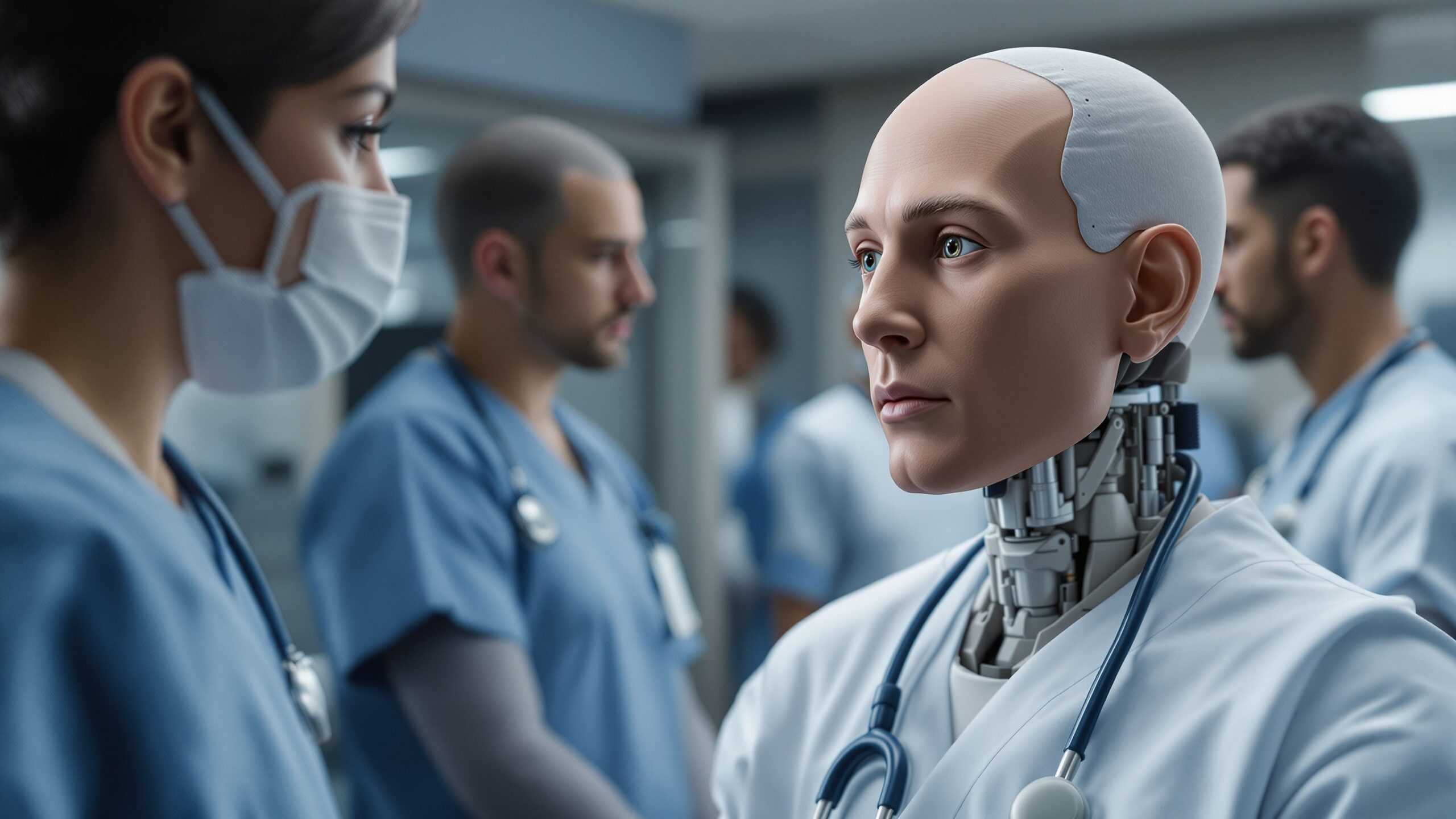
Looking forward, animatronics continue to evolve alongside advances in robotics and artificial intelligence. Sensors, adaptive control systems, and machine learning open possibilities for responsive behavior and real-time interaction. Future animatronics may adjust performances based on audience proximity, sound levels, or environmental conditions.
At the same time, there is a renewed appreciation for craftsmanship. Audiences respond to authenticity, and animatronics deliver a physical presence that remains unmatched. As technology advances, the most successful animatronics will likely be those that balance innovation with timeless principles of performance and storytelling.
From Mechanics to Magic
The evolution of animatronics is a story of transformation. What began as simple mechanical motion has grown into an expressive, multidisciplinary art form capable of evoking wonder, fear, empathy, and joy. From theme parks to film sets, animatronics have proven that machines can do more than function; they can perform. As entertainment continues to evolve, animatronics remain a powerful reminder that the most memorable illusions are built at the intersection of engineering and imagination. Their enduring appeal lies not in how advanced they are, but in how convincingly they bring stories to life.