Classic Animatronics That Changed Entertainment Forever
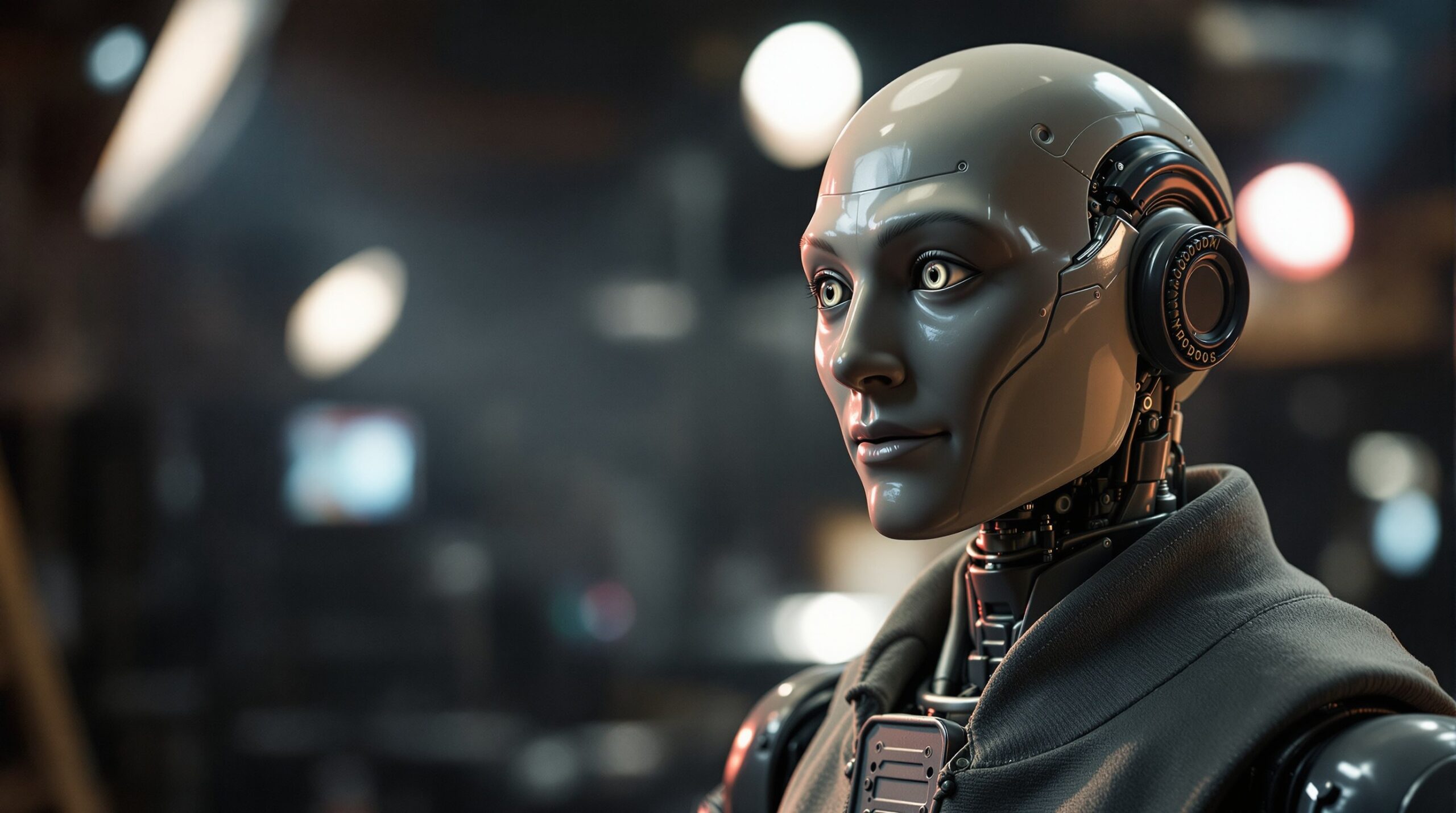
Animatronics did more than bring figures to life—they redefined how audiences experience storytelling, spectacle, and illusion. Long before digital effects dominated screens and theme parks, mechanical characters blinked, breathed, and performed with astonishing realism. These early creations blurred the line between machine and performer, leaving audiences convinced they were witnessing something alive. From dark rides and theme park attractions to cinema and live shows, classic animatronics permanently altered the entertainment landscape. Their legacy is not just technological; it is emotional, cultural, and artistic.
This article explores the foundational animatronic creations that reshaped entertainment forever—machines that inspired generations of engineers, artists, filmmakers, and designers while laying the groundwork for modern practical effects and immersive experiences.
A: Air systems were robust, forgiving, and easy to repair.
A: Many operated 12–16 hours per day.
A: Only in very limited, analog ways.
A: Through hard stops, guards, and emergency cutoffs.
A: Slower motion reduced wear and improved longevity.
A: Yes, maintenance often happened after park close.
A: Rarely—most components were custom.
A: Through repeated live cycle runs.
A: Hoses, bearings, and cable joints.
A: They proved engineering could create believable performance.
The Birth of Mechanical Performance
Animatronics emerged from a fusion of traditional mechanical engineering, puppetry, and showmanship. Long before microprocessors and motion controllers, artisans relied on cams, levers, pneumatic cylinders, and cables to produce lifelike movement. These systems were often hidden behind sculpted exteriors, allowing characters to nod, gesture, and emote with surprising nuance.
The true breakthrough came when movement began serving narrative rather than novelty. Early animatronic figures were not simply technical demonstrations; they became performers. They told stories, expressed emotion, and interacted with environments designed to support the illusion of life. This shift—from machine to character—marked the moment animatronics became a permanent force in entertainment.
Walt Disney and the Creation of the Audio-Animatronic
No discussion of classic animatronics is complete without Walt Disney’s revolutionary Audio-Animatronic figures. Introduced in the early 1960s, these characters transformed theme parks into living theaters. Disney envisioned attractions where mechanical figures could perform endlessly, maintaining consistency while delivering emotional resonance.
The debut of the Abraham Lincoln figure was a defining moment. Guests watched in disbelief as a seated figure rose, spoke, gestured, and delivered a speech with unprecedented realism. This was not a puppet or statue—it was a character with presence. The technology combined synchronized audio playback with precisely timed mechanical motion, giving birth to a new form of automated performance.
From that moment forward, animatronics became central to Disney attractions, setting a standard the entire industry would chase for decades.
Pirates of the Caribbean and the Art of Immersion
When Pirates of the Caribbean opened, it demonstrated that animatronics could support complex environments filled with dozens of characters, each performing synchronized actions. The attraction was not about a single hero figure but an entire animated world—drunken pirates, cannon battles, and townsfolk frozen in perpetual chaos.
What made these animatronics revolutionary was their integration into environmental storytelling. Characters were not isolated displays; they interacted with sets, props, and lighting to create believable scenes. Movement was intentionally stylized rather than hyper-realistic, allowing exaggerated gestures that read clearly from a distance.
This attraction proved that animatronics could populate entire worlds, not just individual moments. It became a blueprint for immersive entertainment across theme parks globally.
Haunted Mansion and Expressive Minimalism
The Haunted Mansion introduced a different philosophy. Instead of overt motion, many figures relied on subtle gestures—slow head turns, gentle breathing, restrained hand movement—to evoke unease. These animatronics demonstrated that realism was not always about complexity, but restraint.
Ghostly figures appeared through carefully timed illusions, lighting tricks, and minimal mechanical movement. The result was deeply atmospheric. Guests often remembered the feeling of being watched rather than any single motion.
This approach influenced horror attractions and dark rides worldwide, proving that animatronics could evoke emotion through suggestion rather than spectacle.
Chuck E. Cheese and Animatronics as Live Entertainment
While theme parks perfected narrative immersion, animatronics entered everyday life through family entertainment venues. Chuck E. Cheese stages introduced millions of children to mechanical performers that sang, joked, and interacted as a band.
These figures operated on show control systems that synchronized audio, lighting, and motion cues. Although less realistic than cinematic animatronics, they established animatronics as live performers rather than static attractions. Audiences accepted them as characters with personalities, routines, and humor.
This era normalized animatronics for mass audiences, embedding mechanical characters into pop culture and shaping expectations for interactive entertainment spaces.
Animatronics in Classic Cinema
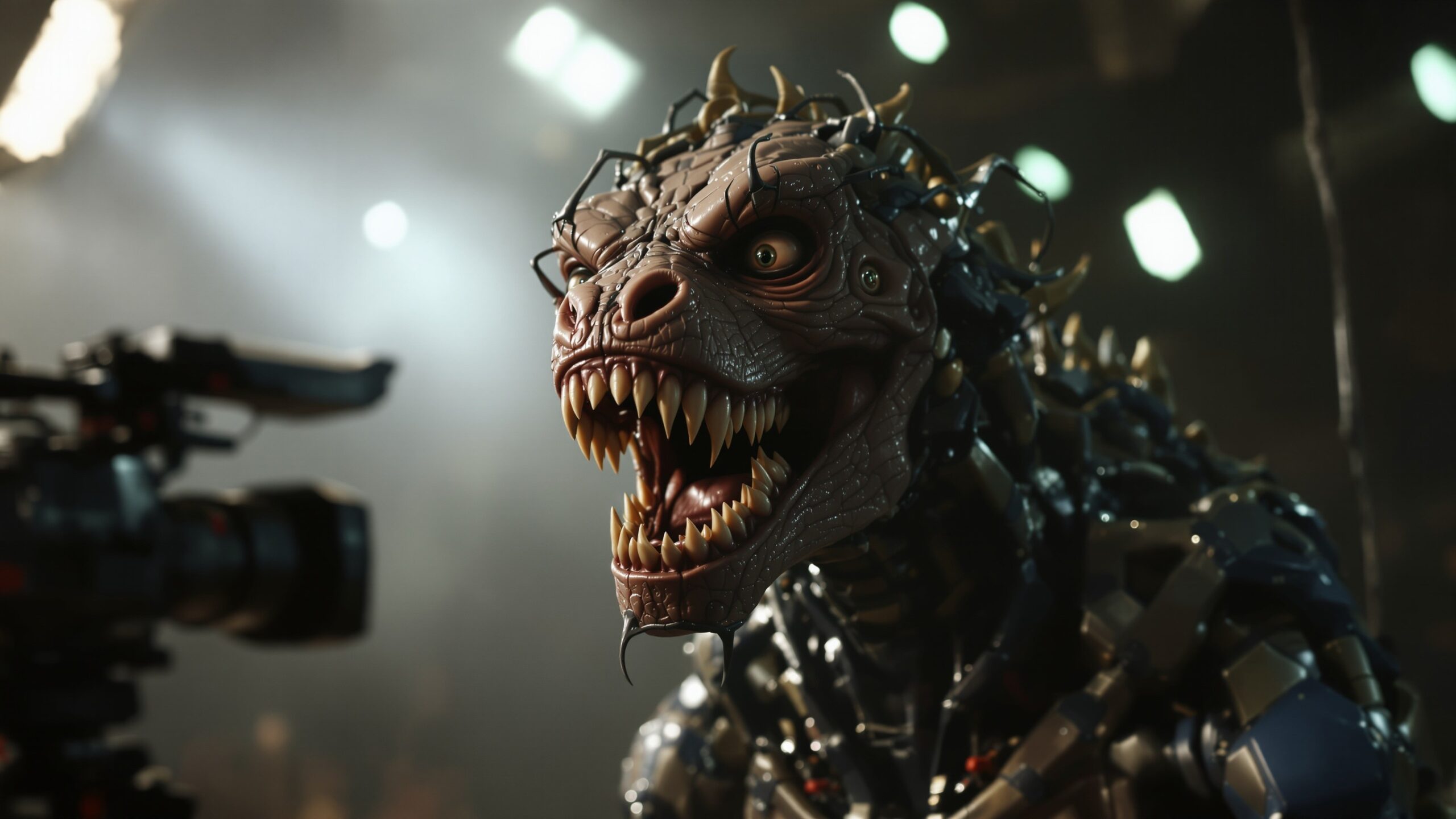
Film embraced animatronics as a way to place physical creatures directly in front of actors and cameras. Unlike stop-motion or optical effects, animatronics provided immediate presence. Performers could react naturally, and lighting behaved realistically across textured surfaces.
Classic films showcased creatures that breathed, snarled, blinked, and interacted physically with their surroundings. These effects grounded fantastical stories in tangible reality. Audiences responded viscerally because what they saw existed on set.
These cinematic animatronics raised expectations for creature realism and established practical effects as an art form rather than a workaround.
The Engineering Behind the Illusion
Classic animatronics relied heavily on pneumatics and hydraulics. Pneumatic systems offered smooth, organic movement, while hydraulics provided strength for larger figures. Control systems evolved from manual switches to programmable logic, allowing repeatable performances with precise timing.
Sculpture and mechanics worked hand in hand. Foam latex skins stretched over metal skeletons, designed to compress and expand naturally. Artists studied anatomy, weight distribution, and facial expressions to ensure movement felt intentional rather than mechanical.
The craftsmanship involved was immense. Each figure required interdisciplinary collaboration between engineers, sculptors, painters, and performers.
The Emotional Power of Mechanical Characters
One of the most enduring impacts of classic animatronics is their emotional effect. Audiences often describe a sense of wonder, nostalgia, or even fear when encountering them. The physicality of animatronics creates a subconscious connection—viewers know they are machines, yet respond as if they are alive.
This emotional response comes from imperfection. Slightly delayed movements, visible weight shifts, and mechanical sounds contribute to authenticity. Unlike digital characters, animatronics occupy real space, obeying physical laws the brain instinctively recognizes.
That tangible presence remains unmatched, even in an age of advanced CGI.
How Classic Animatronics Shaped Modern Theme Parks
Today’s theme parks still rely heavily on animatronics, even as projection mapping and digital screens become more common. Modern figures benefit from improved materials, sensors, and control systems, but the foundational principles remain unchanged.
Classic animatronics established pacing, staging, and performance rhythms still used today. Designers learned how long a gesture should last, how movement draws attention, and how restraint can heighten realism.
Without these early experiments, modern immersive attractions would lack their emotional depth.
The Influence on Robotics and Character Design
Beyond entertainment, classic animatronics influenced robotics research, human-machine interaction, and industrial design. Engineers studying expressive motion often cite animatronics as early examples of emotional robotics.
Facial articulation systems, lifelike skin materials, and motion smoothing techniques pioneered for entertainment now appear in robotics labs and educational tools. Animatronics proved that machines could communicate emotion through motion alone.
This legacy continues to shape how engineers design machines intended to interact with people.
Preservation, Restoration, and Cultural Legacy
Many classic animatronics have been retired, restored, or preserved as historical artifacts. Enthusiasts and institutions recognize their cultural significance, documenting original mechanisms and restoring figures to working condition.
These efforts highlight animatronics as more than entertainment—they are milestones in design history. Each restored figure represents countless hours of craftsmanship and innovation.
As digital effects dominate, these preserved machines remind audiences of a time when imagination was powered by gears, air pressure, and human ingenuity.
Why Classic Animatronics Still Matter Today
In an era of limitless digital possibilities, classic animatronics remain relevant because they deliver something screens cannot—physical presence. They share space with audiences, cast real shadows, and move air as they perform.
Their influence is visible across themed entertainment, cinema, museums, and experiential design. More importantly, they remind creators that technology is most powerful when it serves storytelling rather than replacing it.
Classic animatronics changed entertainment forever not because they were machines, but because they were characters—crafted with intention, emotion, and artistry.
The Timeless Magic of Mechanical Storytelling
The golden age of animatronics established a philosophy that still guides entertainment design: audiences crave tangible experiences. Mechanical characters invite belief, spark curiosity, and create memories that last decades.
As technology advances, animatronics continue to evolve, blending old principles with new tools. Yet the heart of the craft remains unchanged—bringing inanimate materials to life through motion, timing, and imagination.
Classic animatronics did not merely change entertainment; they defined how stories could live beyond the screen, forever moving, forever performing, and forever inspiring wonder.