How to Create Realistic Surface Details in Character Design
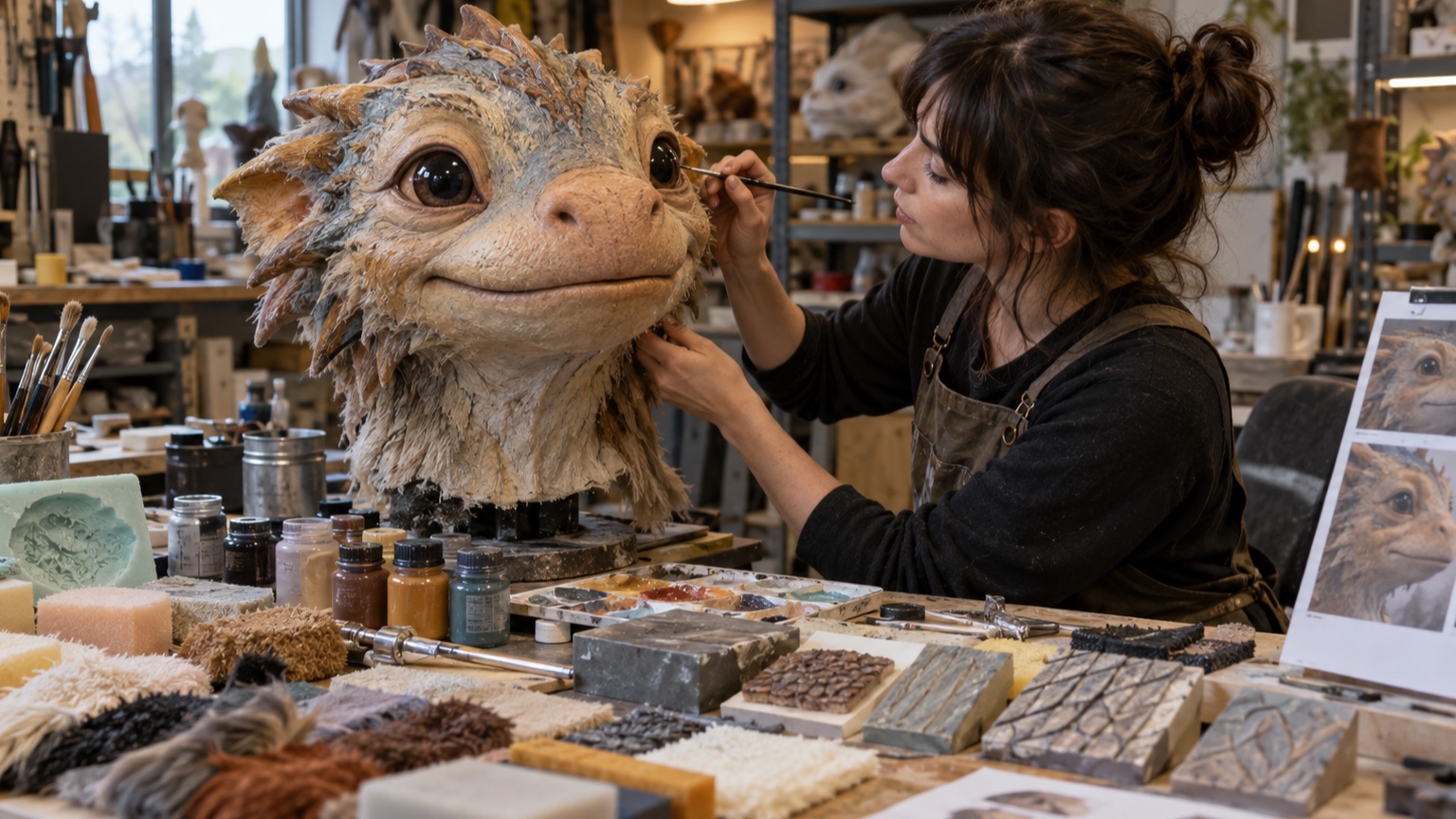
Create realistic surface details by layering primary forms, secondary breaks, microtexture, wear, fabrication evidence, paint, and lighting at production scale.

Where Mechanics Meet Magic
Create realistic surface details by layering primary forms, secondary breaks, microtexture, wear, fabrication evidence, paint, and lighting at production scale.
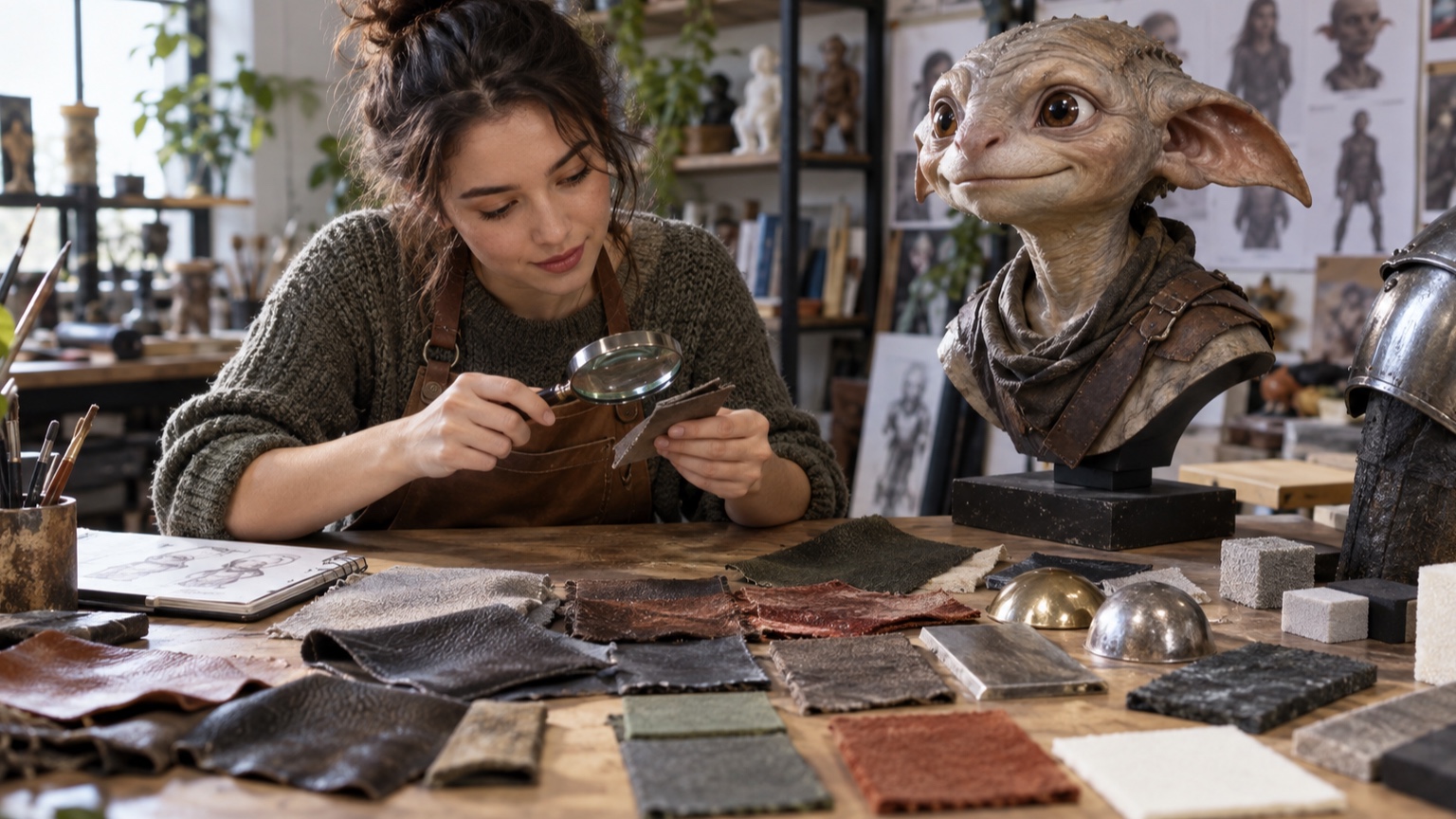
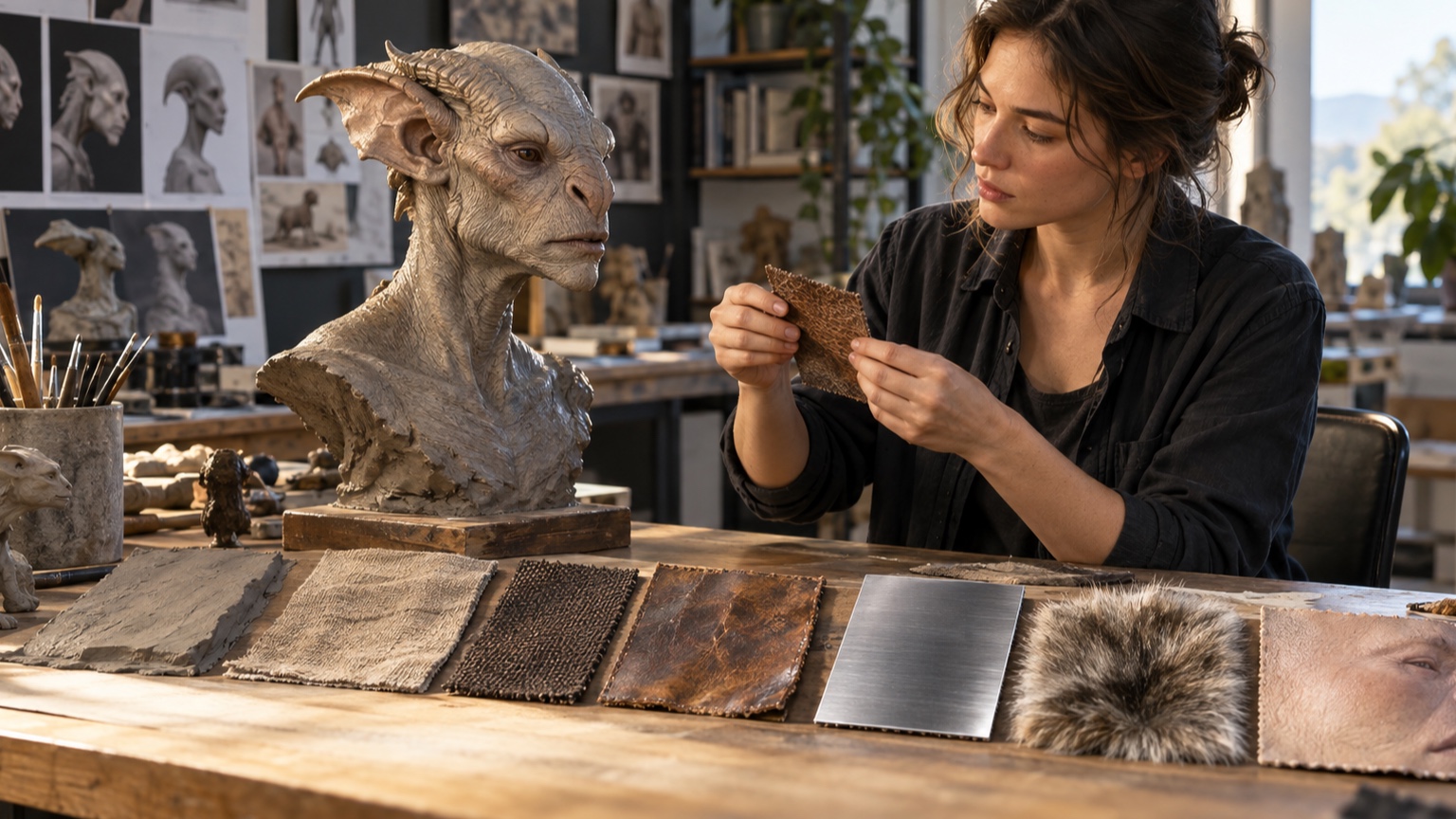
Make characters look more realistic by understanding material identity, texture scale, surface variation, wear, color, edge behavior, lighting, and selective detail.
Add purposeful texture to character designs through material research, scale, wear, contrast, anatomy, costume, color, lighting, and production-ready documentation.