How to Add Texture to Character Designs: A Complete Guide
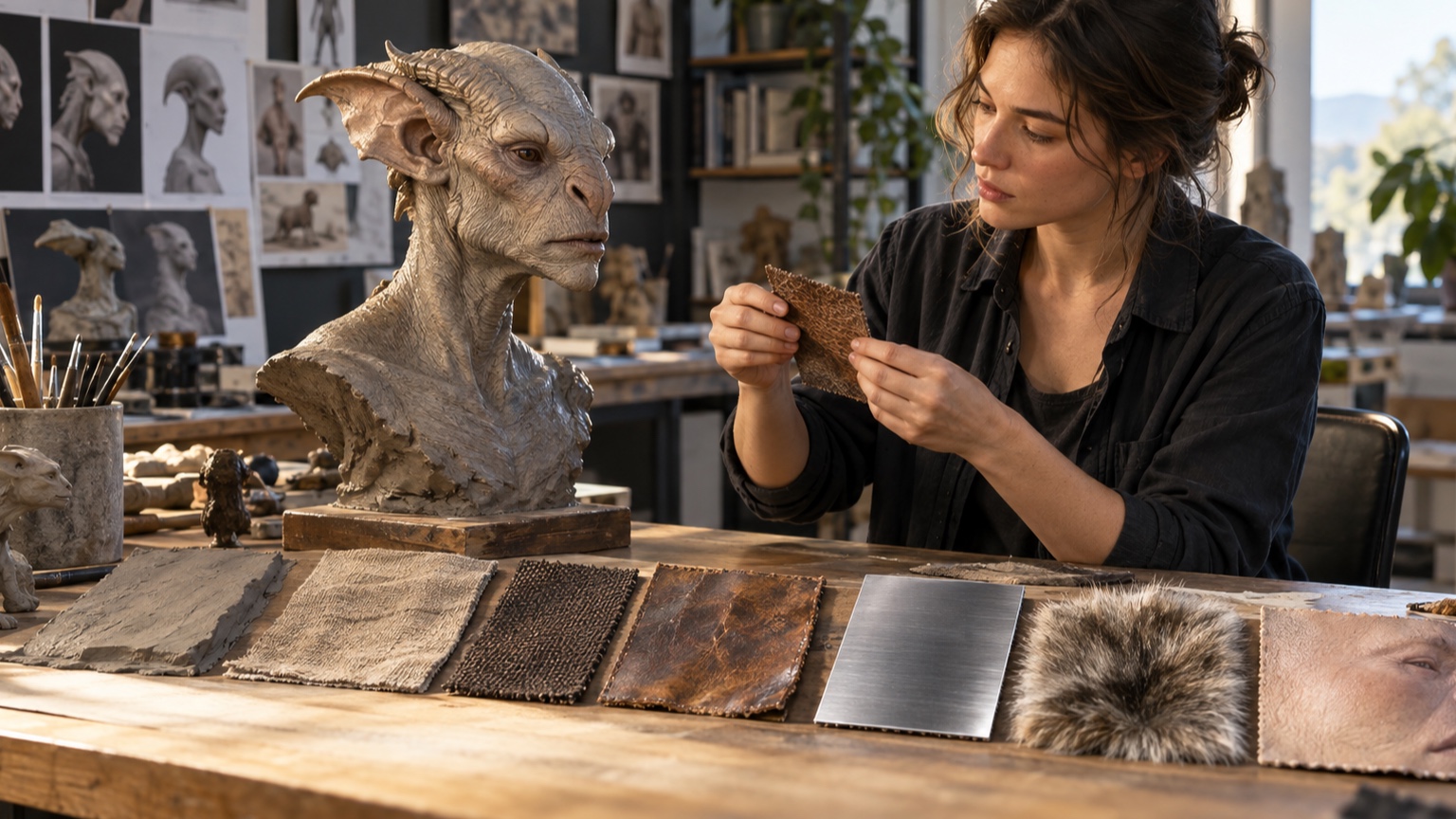
Add purposeful texture to character designs through material research, scale, wear, contrast, anatomy, costume, color, lighting, and production-ready documentation.

Where Mechanics Meet Magic
Add purposeful texture to character designs through material research, scale, wear, contrast, anatomy, costume, color, lighting, and production-ready documentation.
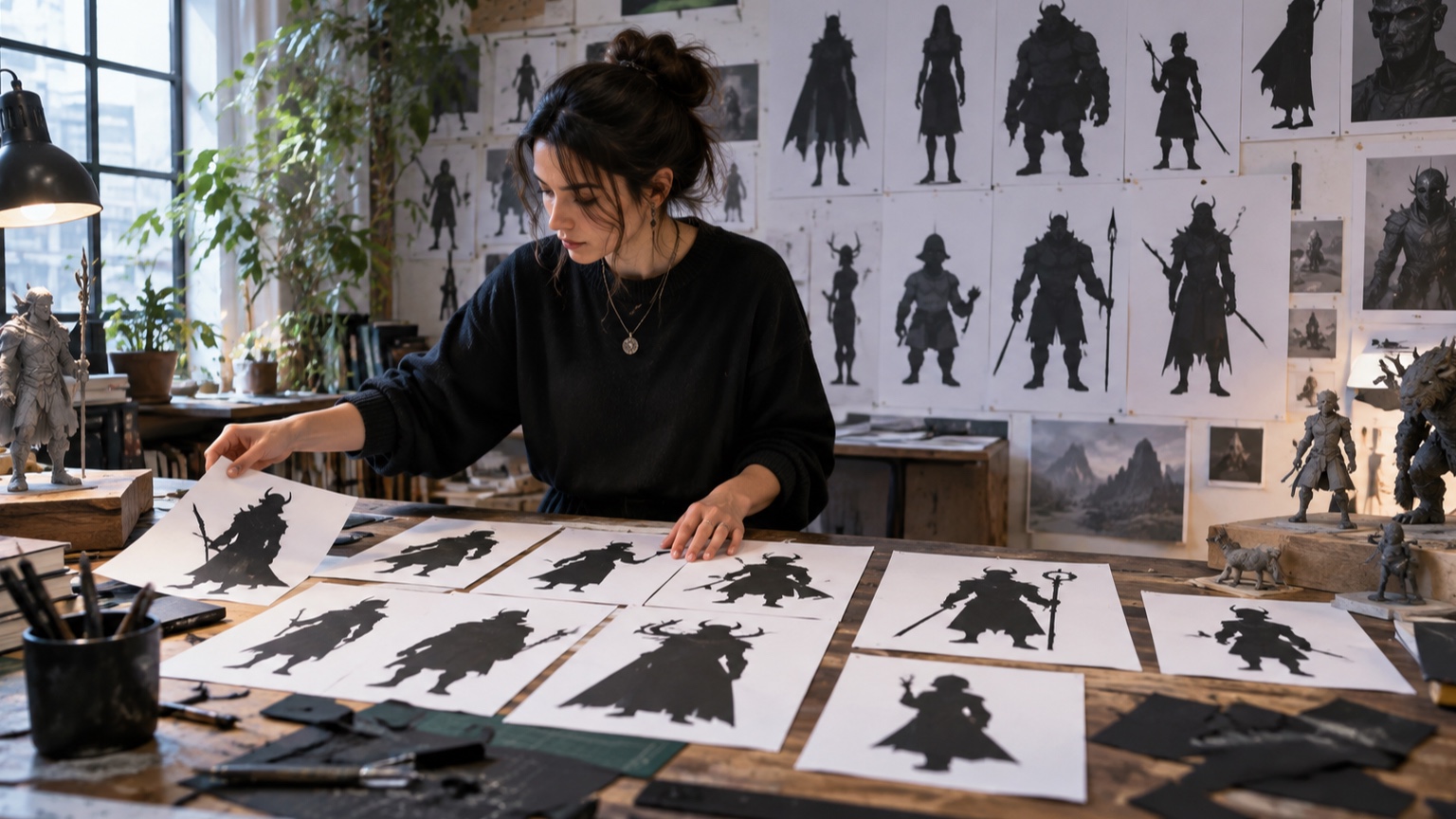
Create strong character silhouettes by defining role, gesture, shape hierarchy, negative space, asymmetry, costume, props, viewpoint, and production-ready consistency.
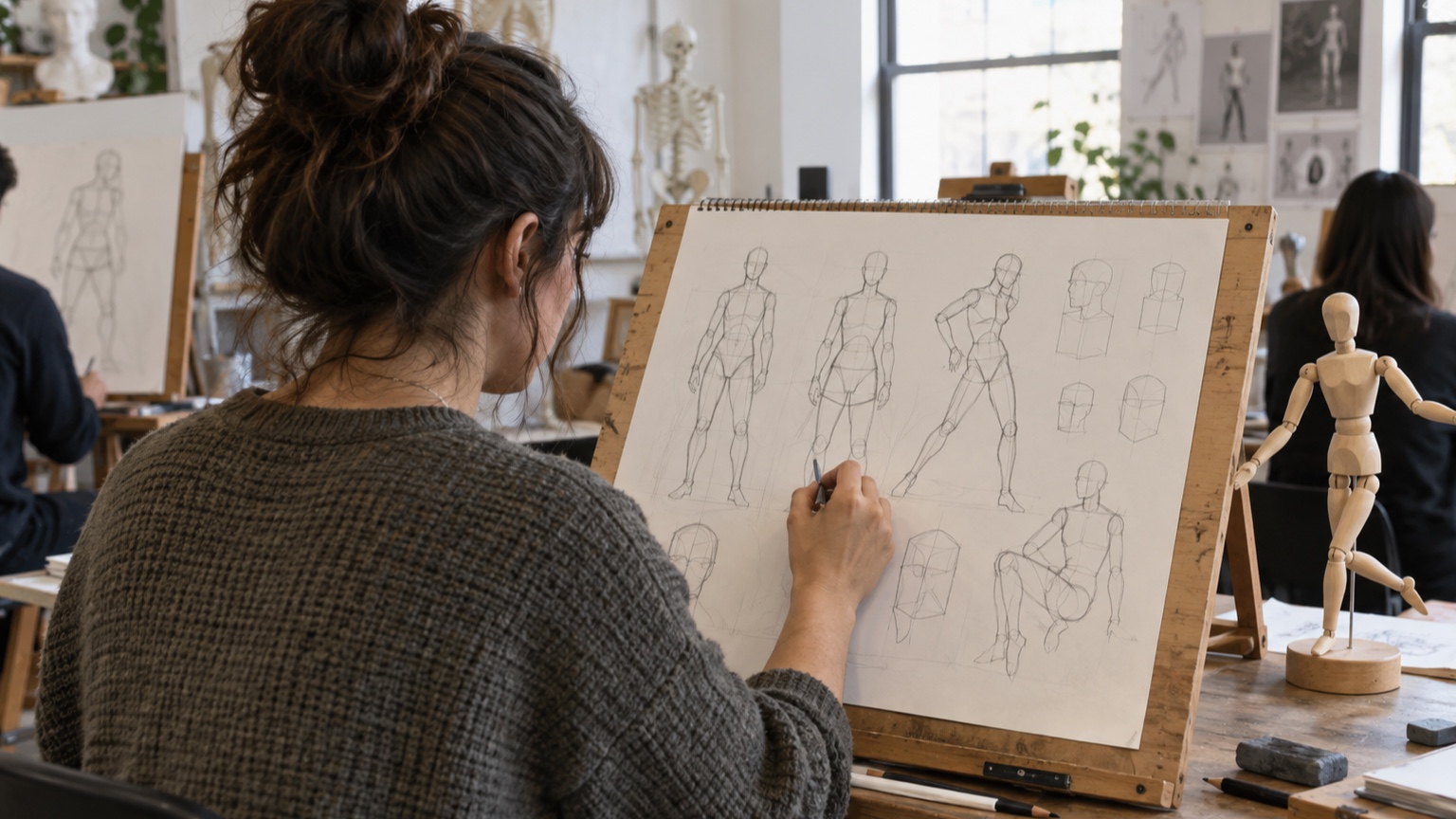
Learn character proportion basics through gesture, simple masses, landmarks, head-to-body relationships, balance, variation, stylization, and dependable comparison methods.
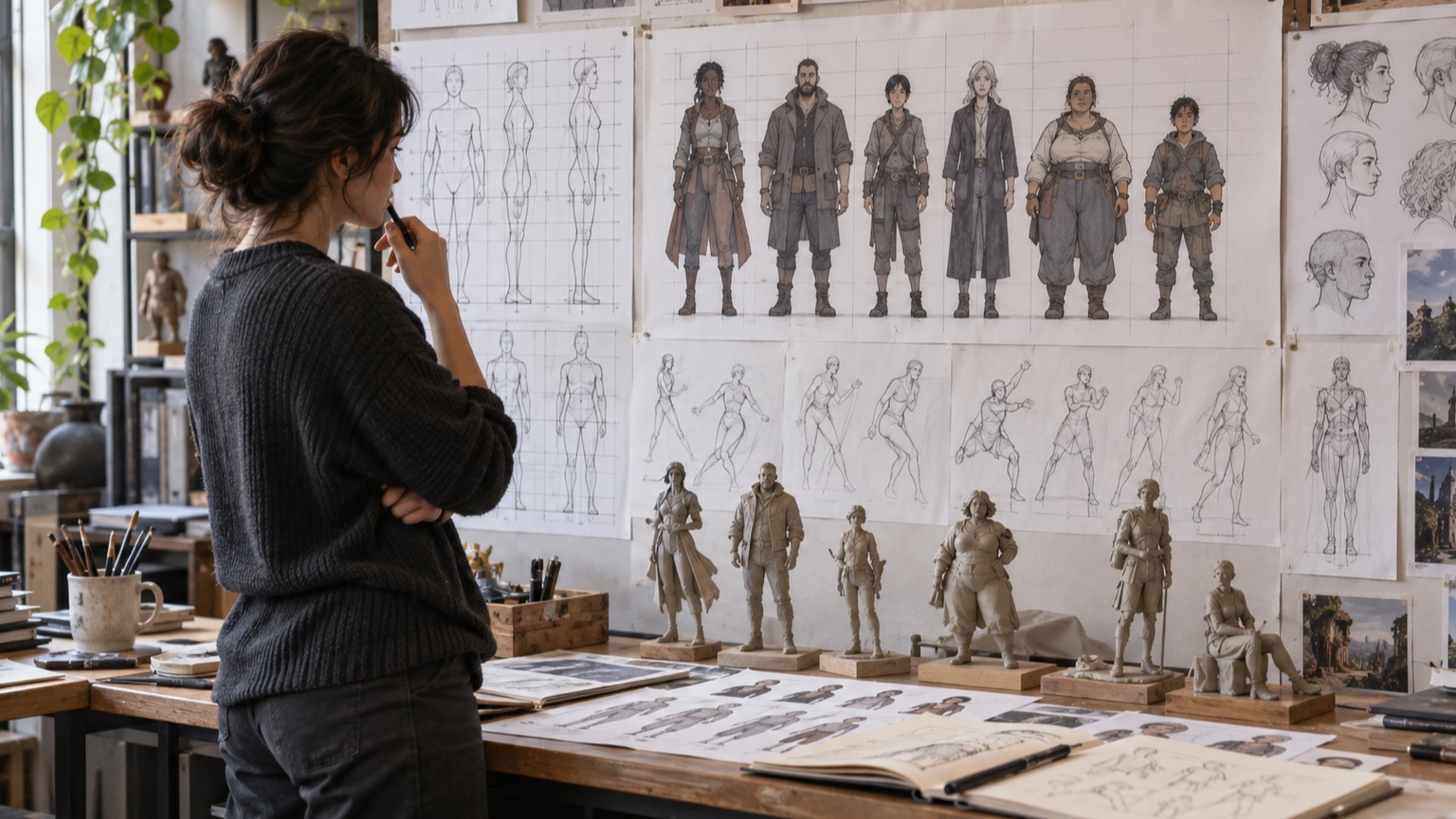
Master character proportions by measuring relationships, landmarks, balance, age, body variation, stylization, perspective, clothing, consistency, and production checks.
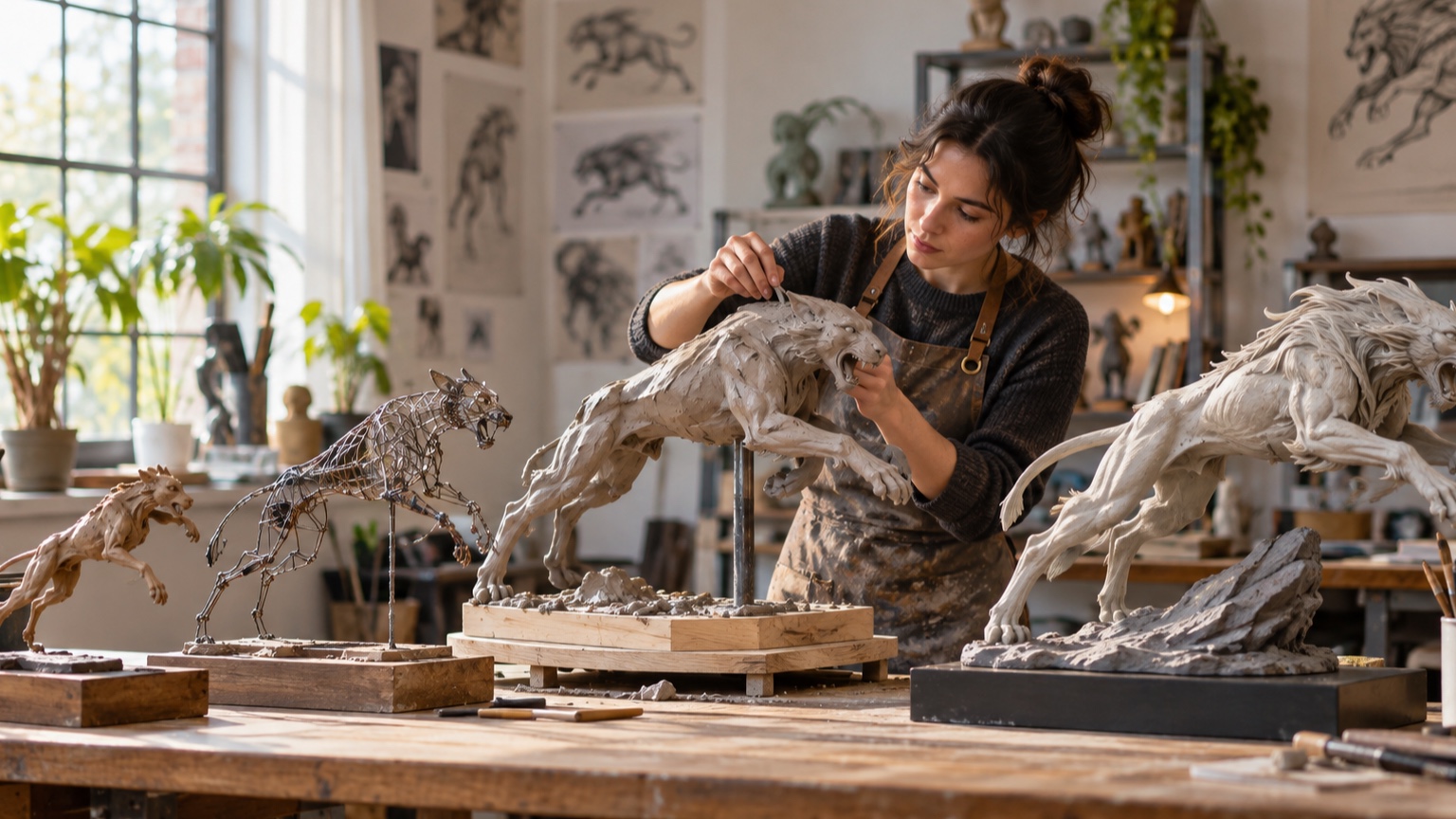
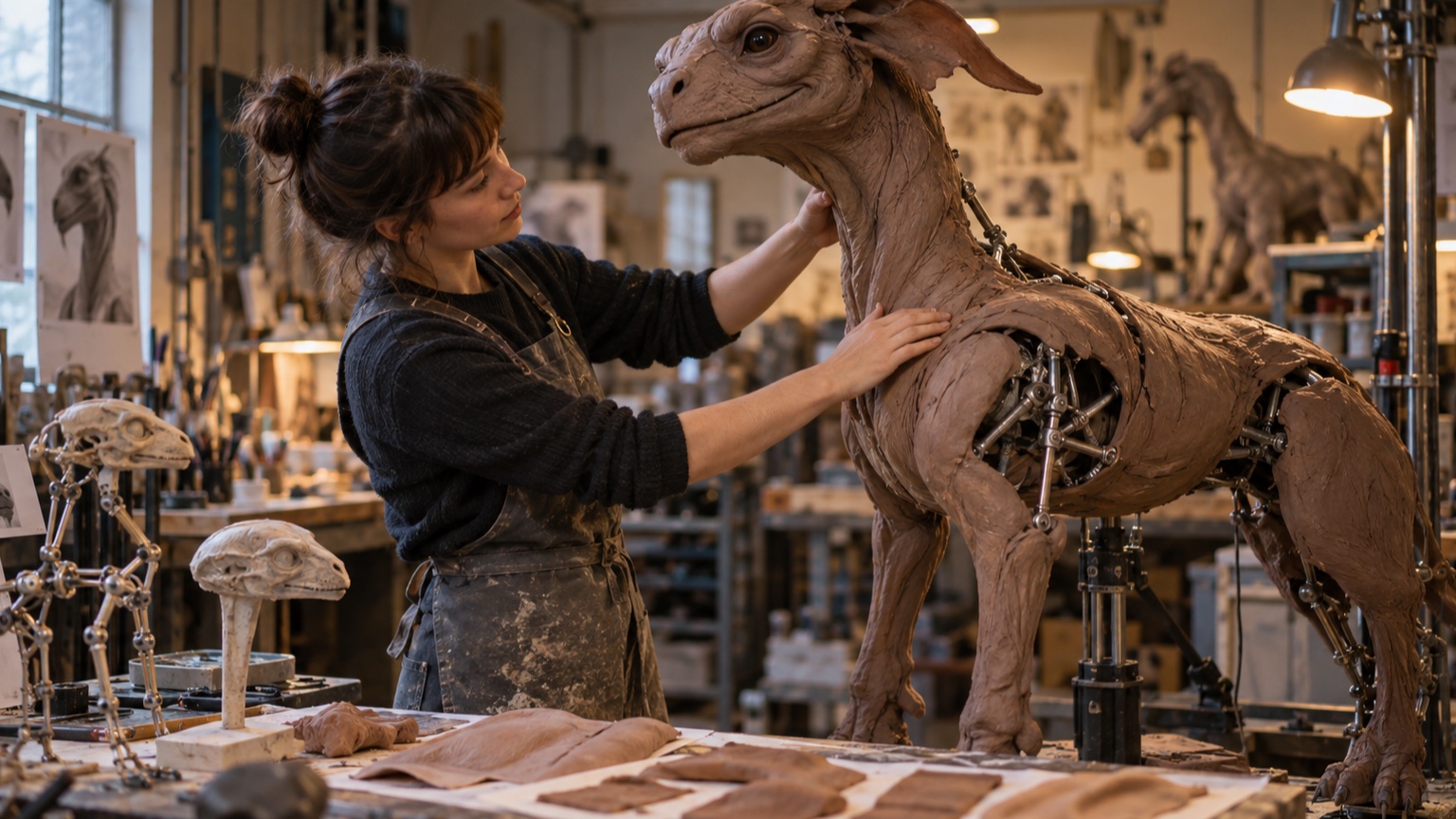
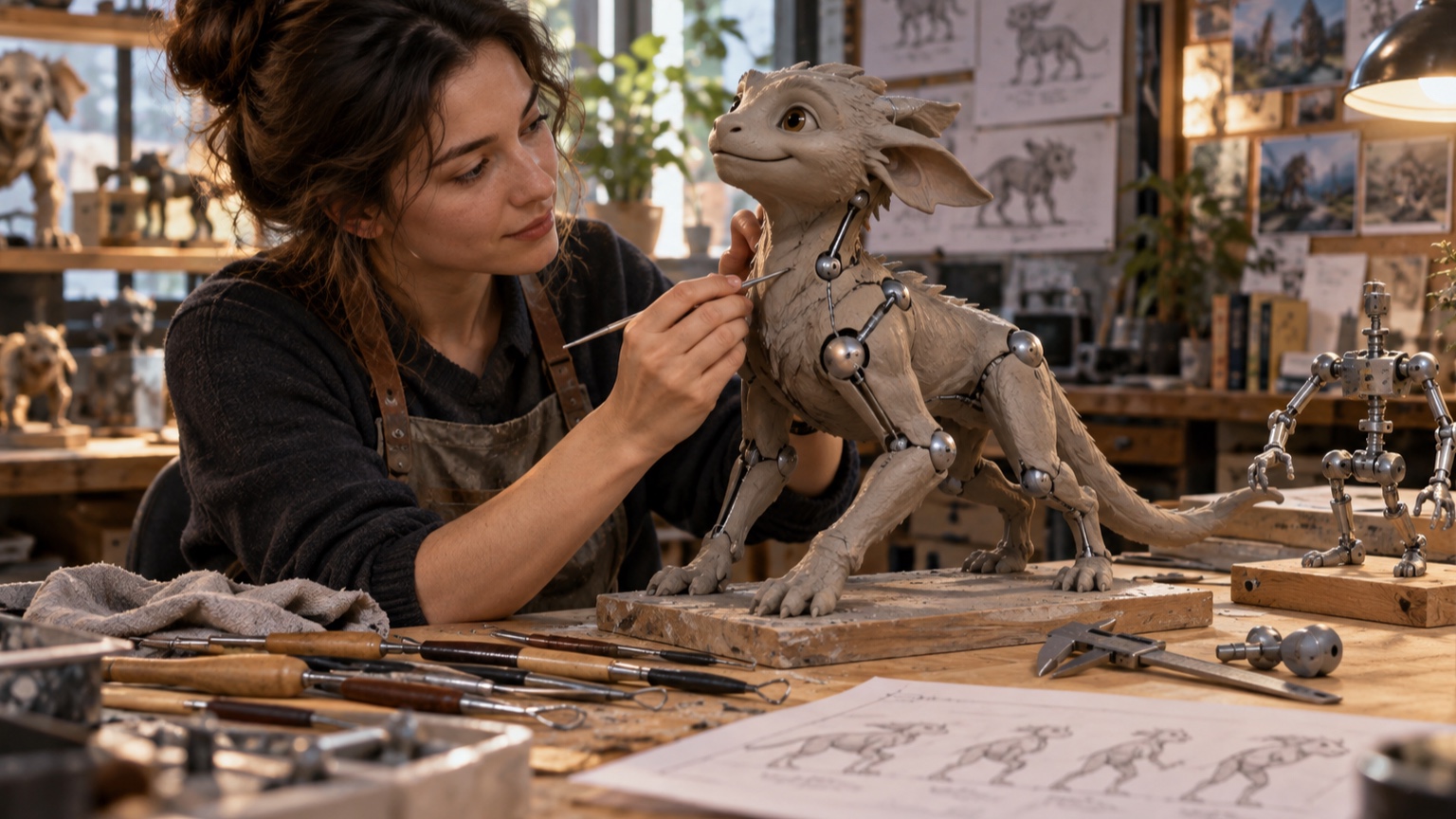
Sculpt dynamic characters from brief to finish through gesture, balance, armatures, primary masses, anatomy, clothing, surface rhythm, motion checks, and production handoff.
Create natural-moving character sculptures by designing around pivots, volume changes, skin paths, joint folds, neutral posture, range, and repeated motion tests.
Sculpt characters for motion by planning joints, skin folds, clearances, wall thickness, neutral pose, range tests, molding, and collaboration with the mechanism team.
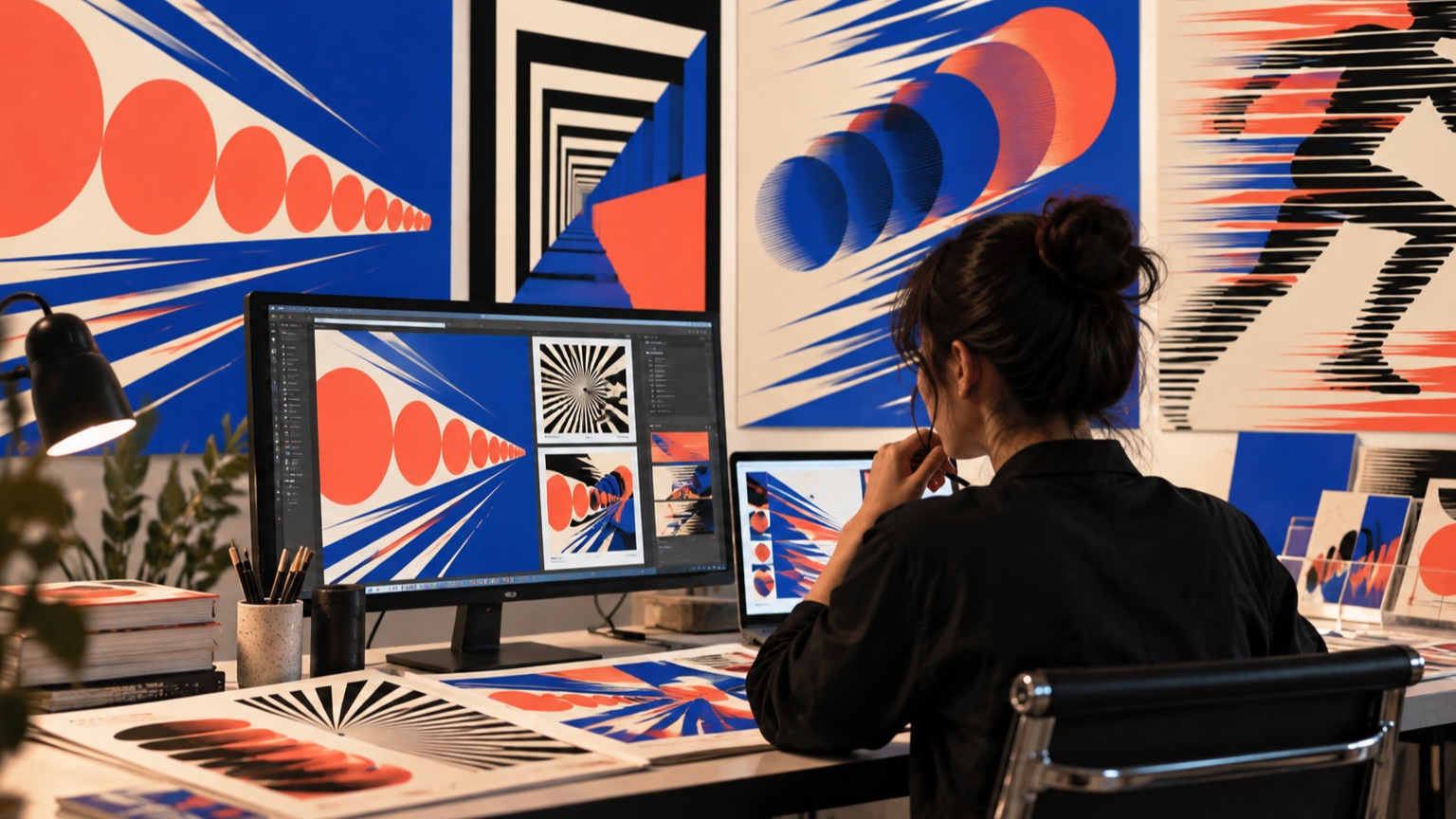
Create motion illusions in graphic design with directional composition, repetition, blur, cropping, rhythm, depth, contrast, and responsible accessibility choices.
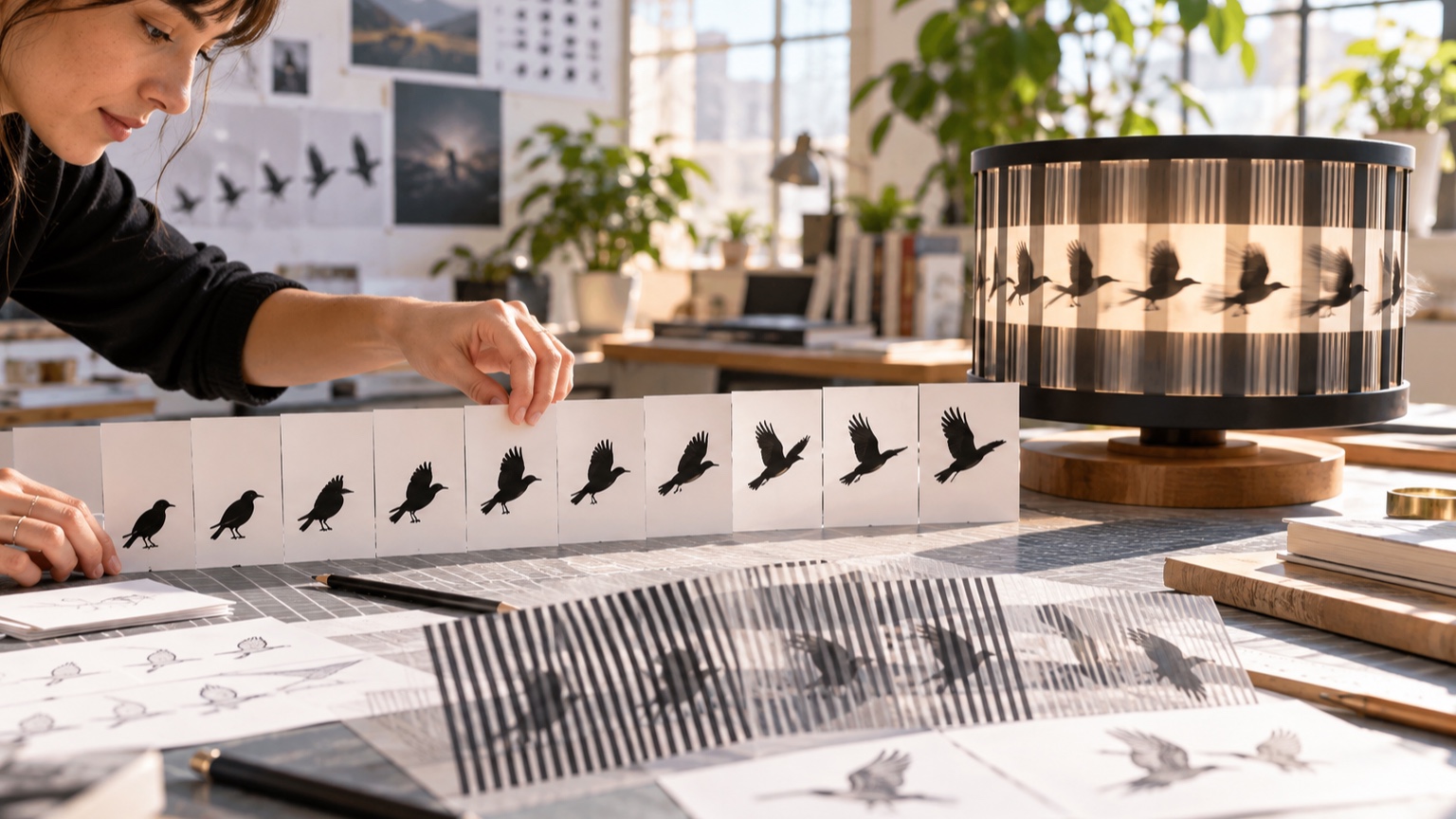
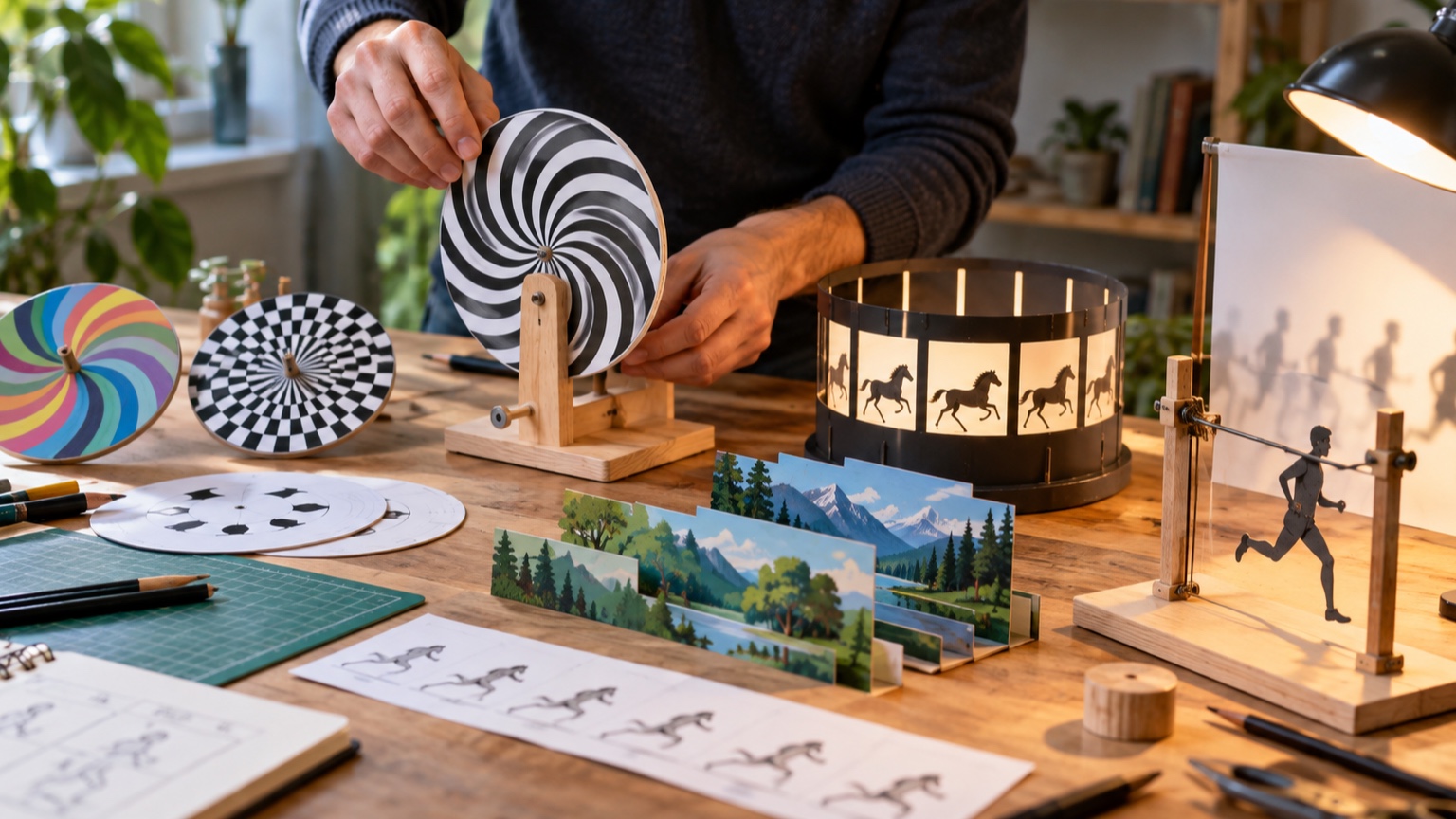
Make still images appear to move by designing readable phases, spacing, loops, contrast, masking, lighting, and presentation around human perception.
Understand how motion illusions use sequence, contrast, occlusion, light, sound, and viewer position to make change feel continuous or physically larger.
Create expressive character faces by coordinating gaze, brows, lids, cheeks, mouth, jaw, head movement, timing, and a repeatable neutral pose.
Learn how expressive characters feel alive through attention, neutral baselines, coordinated facial regions, timing, asymmetry, breath, motion limits, and calibration.